
Light Requirements
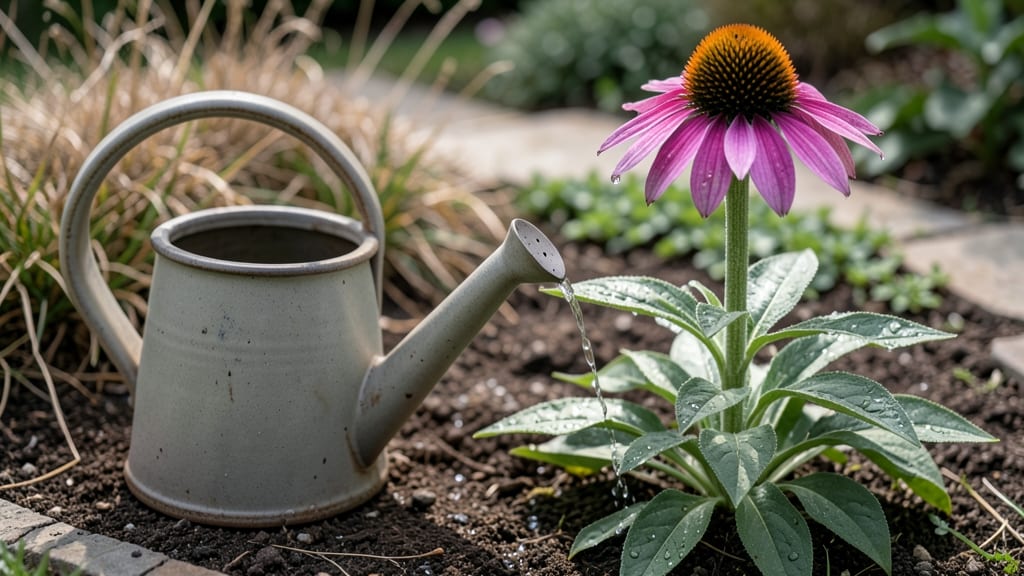
Coneflowers don’t need a lot of water—they’re built to thrive on less than you might think, thanks to their deep roots and drought-resistant nature.
If you’ve ever wondered why your coneflowers keep wilting despite regular watering—or if you’re dreaming of a low-maintenance garden—this guide reveals the surprising truth about their water needs.
These hardy perennials store moisture efficiently, meaning deep but infrequent watering is far better than shallow, daily soaks. Overwatering is the real enemy, leading to root rot and weak stems.
Below, I’ll break down the ideal watering schedule, signs of overwatering, and soil tricks to keep your 🌱 coneflowers happy with minimal effort—no guesswork required.


How much water coneflowers actually need (drought-resistant secrets)
I’ve planted coneflowers in my garden for years, and one question always surprises new gardeners: do coneflowers need a lot of water? The short answer is no—but there’s a catch. These hardy perennials evolved in dry prairie conditions, where they thrived with minimal rainfall.
Their deep roots seek moisture, but they’re drought-tolerant once established. The key is understanding their water needs at different growth stages and how to mimic their native environment.
Newly planted coneflowers, however, are a different story. During their first year, they need consistent moisture to develop strong roots. Think of it like teaching a toddler to walk—they need support until they’re steady.
After that, they become self-sufficient, often surviving on natural rainfall alone. This adaptability makes them perfect for low-maintenance gardens and xeriscaping projects.
Here’s the drought-resistant secret: coneflowers hate soggy soil. Their roots need oxygen, and too much water suffocates them. The ideal approach? Deep, infrequent watering that encourages roots to grow downward.
This method not only saves time but also helps them weather dry spells like pros. Let’s break down exactly how much water they need at each stage.
| Growth Stage | Watering Frequency | Depth | Notes |
|---|---|---|---|
| First Year (Establishment) | 1-2 times per week | 6-8 inches deep | Critical for root development |
| Second Year (Mature) | Every 10-14 days | 8-12 inches deep | Encourages deep root growth |
| Drought Conditions | Every 3-4 weeks | 12+ inches deep | Water at soil level, not foliage |
| Extreme Heat (90°F+) | Weekly, early morning | 6-8 inches deep | Prevents wilting and bolting |
In my USDA Zone 6 garden, I’ve found that spring and fall are the most critical times for watering. During these seasons, the soil absorbs moisture efficiently, giving roots time to establish before summer’s heat.
I water deeply in the early morning to reduce evaporation and fungal risks. Avoid evening watering—wet foliage overnight invites powdery mildew, a common coneflower nemesis.
One game-changer I learned is mulching. A 2-3 inch layer of organic mulch (like straw or wood chips) locks in moisture and regulates soil temperature. It’s like giving your coneflowers a cozy blanket that keeps them hydrated between waterings.
Just be sure to keep mulch 2 inches away from stems to prevent rot. In my experience, mulched plants need 30% less water than unmulched ones.
Climate plays a huge role in watering needs. If you live in a hot, dry region like Arizona or Texas, coneflowers may need water every 7-10 days during peak summer. In cooler, wetter climates like the Pacific Northwest, they might only need supplemental water during prolonged dry spells.
Always check soil moisture by sticking your finger 2 inches deep—if it’s dry, it’s time to water.
Here’s a pro tip: Group coneflowers with other drought-tolerant plants like black-eyed Susans or sedum. This creates a microclimate that retains moisture longer. I’ve seen this strategy cut my watering time in half while keeping my garden vibrant. Plus, it reduces competition for resources, so each plant thrives.
What about container-grown coneflowers? These dry out faster because pots have limited soil volume. I water them every 2-3 days in summer, ensuring the soil stays evenly moist but never soggy.
A self-watering pot or drip irrigation system can be a lifesaver here. Just remember: containers need more frequent watering than in-ground plants.
Finally, let’s talk about overwatering signs. Yellowing leaves, mushy stems, or wilted foliage that doesn’t bounce back are red flags. These symptoms often mean root rot has set in. If you see this, stop watering immediately and let the soil dry out.
In severe cases, you may need to repot or replace the plant. The good news? Coneflowers bounce back quickly once they’re on the mend.
Coneflowers are the ultimate low-maintenance superstars of the garden. With the right watering approach—deep, infrequent, and strategic—they’ll reward you with bold blooms from summer through fall. Start with these guidelines, adjust for your climate, and soon you’ll have a self-sustaining garden that thrives on nature’s rhythm. 🌱
Signs your coneflowers are overwatered (and how to fix it)
Coneflowers are famously drought-tolerant, but even these hardy plants can suffer when they receive too much water. Overwatering creates soggy soil conditions that suffocate roots and invite fungal diseases. If your coneflowers look stressed despite your best efforts, it might be time to reassess your watering habits.
One of the first signs of overwatering is yellowing leaves, especially on younger plants. This occurs when roots struggle to absorb oxygen in waterlogged soil.
You might also notice mushy stems or leaves that feel limp even when the soil appears moist. These are clear warnings that your coneflowers are drowning.
To fix overwatered coneflowers, start by improving soil drainage. Amend heavy clay soil with sand or perlite to create air pockets for roots. If your plants are already struggling, gently loosen the soil around the base with a fork to encourage airflow.
Avoid watering until the soil feels dry about an inch below the surface.
Another key fix is adjusting your watering schedule. Instead of daily light watering, aim for deep, infrequent waterings—about once a week during dry spells. Water in the early morning to allow foliage to dry quickly, reducing fungal risks.
Mulching with straw or wood chips can also help regulate soil moisture by slowing evaporation.
If you notice blackened stems or wilting despite dry soil, your coneflowers may already have root rot. In this case, trim away affected roots and replant in a well-draining location. For established plants, reduce watering immediately and monitor for recovery over the next few weeks.
Remember, coneflowers are designed to survive drought, not constant moisture. By letting the soil dry between waterings and improving drainage, you’ll help your plants bounce back from overwatering and thrive for years to come. 🌱