
Flowers
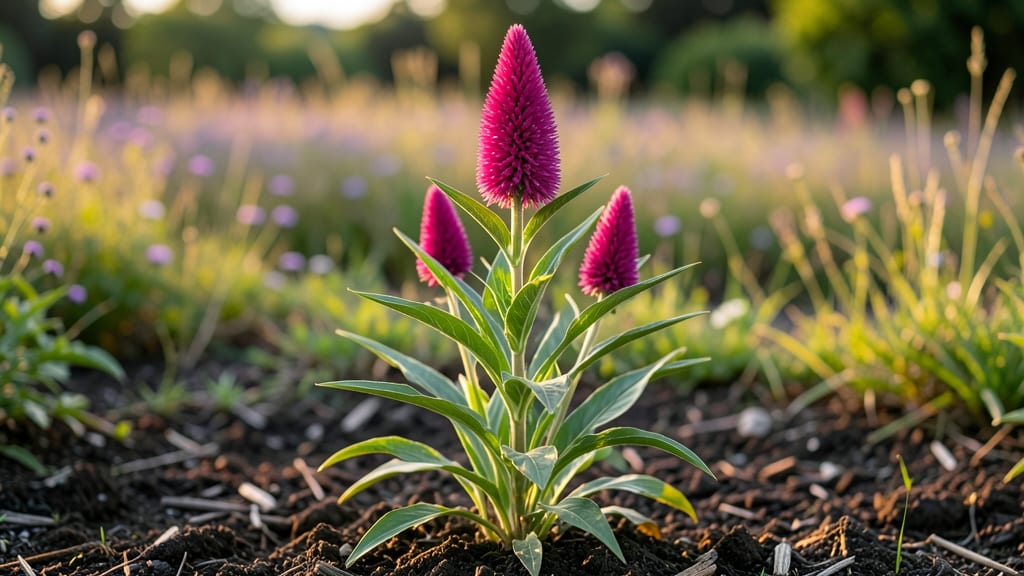
The height of celosia flowers 🌸 can range from just 8 inches to towering 3 feet, depending on the variety and growing conditions.
If you’re dreaming of vibrant celosia blooms but struggling to fit them into your garden space, understanding their height variations is key—some stay compact enough for pots, while others reach skyward like fiery plumes.
Dwarf varieties like 'Flamingo Mix' thrive in containers, while taller types such as 'New Look Red' need room to shine in borders or mixed beds.
Below, I’ll break down how sunlight, soil, and pruning can shape your celosia’s height—and how to pick the perfect size for your garden design.

Celosia flower height guide: compact varieties perfect for containers
If you love the bold, fiery colors of celosia but have limited space, you’re in luck! Many compact varieties thrive in containers, balconies, and window boxes while delivering the same vibrant flower plumes that reach skyward in their taller cousins.
These dwarf and bushy types stay between 6 to 18 inches tall, making them ideal for small gardens, urban patios, or even indoor growing near sunny windows.
Choosing the right celosia variety for containers isn’t just about height—it’s also about their growth habit. Some varieties sprawl outward, perfect for trailing over edges, while others grow upright, creating a vertical focal point.
With the right care, these compact celosias can bloom from summer to fall, adding continuous color to your space without overwhelming it.
Let’s explore the best dwarf celosia varieties for containers, their ideal height ranges, and the container gardening tips you’ll need to keep them thriving. Whether you’re a balcony gardener or a window-box enthusiast, these varieties will bring your small space to life with minimal effort.
When selecting a compact celosia variety for your containers, pay attention to the growth habit listed in the table. For example, the 'Flamingo Mix' is perfect for window boxes because its upright stems create a neat, colorful display.
In contrast, the 'Azure Flash' variety has a natural trailing tendency, making it ideal for hanging baskets or vertical garden pockets.
Container size matters just as much as the celosia height. Smaller varieties like 'Tom Thumb' or 'Golden Feather' thrive in 5–7 inch pots, while taller types like 'Chocolate Cherry' need 12–14 inch containers to support their roots and prevent toppling.
Always choose a pot with drainage holes to avoid waterlogged soil, which can stunt growth or cause root rot.
To encourage healthy growth and prolonged blooming, place your containers in a spot with at least 6 hours of sunlight daily. Celosias are heat-loving plants, so a south-facing balcony or a windowsill with direct sun exposure is ideal.
If you notice the flower plumes wilting or stems becoming leggy, it’s a sign they need more light or slightly larger containers to accommodate their roots.
Watering your container-grown celosias requires a balance—too much water can drown the roots, while too little causes the blooms to wilt. Aim to water when the top inch of soil feels dry, typically every 2–3 days in summer.
In hotter climates, you may need to water daily, especially if the pot is exposed to intense afternoon sun. Always water at the base of the plant to avoid wetting the flower plumes, which can lead to fungal issues.
For a longer-lasting display, deadhead spent blooms regularly by pinching off the wilted
Towering celosia varieties: how tall do they grow and where to plant them?
If you love the bold, fiery colors of celosia but need plants that make a dramatic statement, tall celosia varieties are your answer. These towering beauties—like Celosia spicata—can reach 2 to 4 feet, making them perfect for adding vertical interest to your garden.
Their plume-like blooms add texture and height, while their vibrant hues (reds, oranges, yellows) create stunning focal points.
Unlike their compact cousins, these varieties thrive when planted in open spaces where they can stretch upward without competition. I’ve found the 'New Look Red' variety particularly striking—its deep red plumes stand out against green foliage and pair beautifully with other tall perennials like canna lilies or black-eyed Susans.
The key is giving them room to grow while keeping them well-supported.
| Variety | Height Range | Best Planting Spot | Pruning Tip |
|---|---|---|---|
| Celosia spicata 'New Look Red' | 2–4 ft | Back of borders or mixed beds | Pinch back early to encourage bushiness |
| Celosia argentea 'Golden Self' | 3–3.5 ft | Perennial borders or cottage gardens | Deadhead spent blooms for continuous growth |
| Celosia spicata 'Chocolate Cherry' | 2.5–3 ft | Cutting gardens or back of containers | Stake for support if winds are strong |
For optimal growth, plant tall celosia in full sun (at least 6 hours daily) and well-draining soil. I’ve noticed they perform best in loamy soil with a pH of 6.0–7.0, though they’re surprisingly adaptable.
If your garden has clay soil, amending it with compost will help prevent root rot while encouraging taller, sturdier stems. Mulching around the base also retains moisture and keeps roots cool during hot summer days.
One of my favorite tricks for managing height is pruning. If your celosia starts to flop or grow too leggy, simply snip the top 2–3 inches of the main stem just above a leaf node.
This encourages lateral branching, creating a fuller, more compact plant without sacrificing those stunning plumes. I do this in early summer when the plant is about 12 inches tall—it works wonders for keeping them upright and bushy.
When it comes to planting locations, avoid cramming tall celosia into small spaces. Instead, use them as backdrop plants in mixed borders or pair them with shorter flowers like marigolds or zinnias to create layers.
In my own garden, I’ve placed them near trellises or arbors to let them climb and weave through other plants, adding unexpected height and drama. Just be sure to stake taller varieties if your garden gets windy!
With the right care, tall celosia can become the star of your summer garden, blooming from mid-summer until frost. Their height and color make them ideal for cutting gardens too—just harvest stems when the plumes are fully open but still firm.
And if you’re worried about overgrowth, remember: a little pruning goes a long way in keeping them controlled yet show-stopping! 🌻