
Landscaping
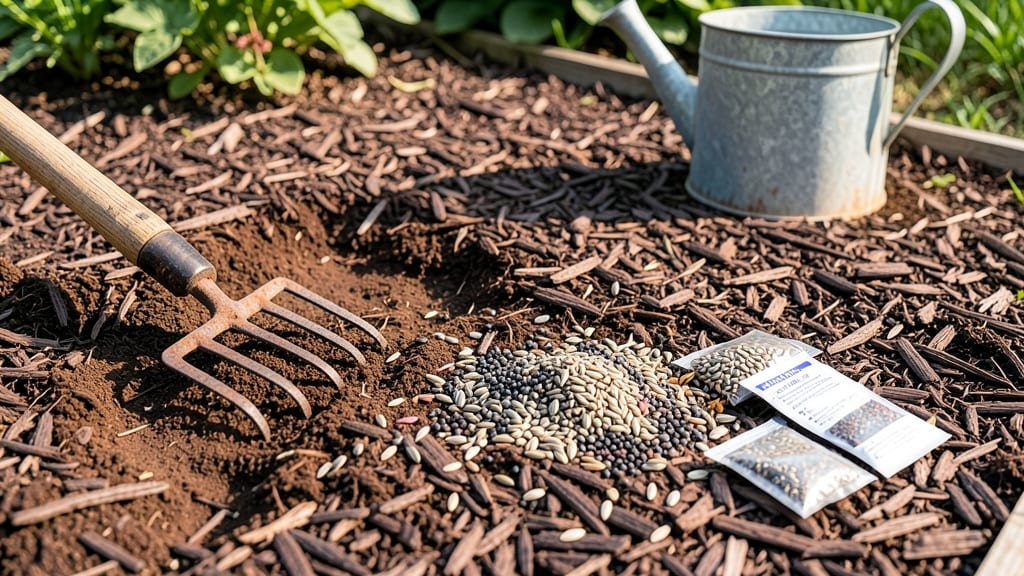
You can put mulch over wildflower seeds—but only if you choose the right type and apply it just right. 🌼 Too much or the wrong material can smother tiny sprouts, while a light layer at the perfect time boosts moisture and keeps weeds away.
Picture this: You’ve spent hours scattering wildflower seeds, dreaming of a burst of color next spring. Then you wonder—should you add mulch?
The answer isn’t a simple yes or no. Heavy mulch like wood chips can bury seeds too deep, while straw or shredded leaves, applied in a thin layer, can protect seeds without suffocating them.
Mulch helps retain moisture, regulate soil temperature, and suppress weeds—critical for wildflower seeds that need consistent conditions to germinate. But timing matters: apply mulch after seeds are planted and lightly pressed into the soil, never before.
In this guide, I’ll break down the best mulching methods for wildflowers, common mistakes to avoid, and how to tell if your seeds are thriving—or struggling—under that protective layer.
Why mulch over wildflower seeds can work (and when it doesn’t)
Wildflower seeds are delicate—just a light dusting of soil can bury them too deep, while exposure to wind or birds can scatter them before sprouting. Mulch solves both problems by providing a protective barrier that locks in moisture and shields seeds from erosion.
The key? Using the right type and thickness of mulch to avoid suffocating those tiny sprouts.
Mulch works best for wildflowers when it’s lightweight and breathable, like straw or shredded leaves. These materials allow water and air to reach the soil while keeping seeds in place.
But heavy mulches like wood chips or thick layers can block sunlight and trap moisture, creating the perfect conditions for fungal diseases or rot.
For wildflowers, the ideal mulch layer is just ¼ to ½ inch thick. This thickness protects seeds without smothering them.
Organic mulches like straw or composted leaves break down over time, adding nutrients to the soil, while inorganic options like landscape fabric provide long-term protection but may require adjustments for watering.
Wildflower seeds need light to germinate, so avoid mulches that block sunlight entirely. For example, black plastic mulch or thick layers of cardboard will trap heat and suffocate seeds. Instead, opt for translucent materials like biodegradable netting or a lightweight fabric that allows sunlight to filter through.
Timing matters too. Apply mulch after seeds are planted but before the first rain to prevent erosion. In dry climates, mulch helps retain critical moisture, while in wet areas, it prevents seeds from washing away. Always water thoroughly before and after mulching to encourage seed-to-soil contact.
Organic mulches like straw or leaves break down over time, adding nutrients to the soil and improving its structure. This is especially beneficial for native wildflowers, which often thrive in poor, well-draining soils.
In contrast, inorganic mulches like gravel or rubber chips won’t decompose but may alter soil chemistry over time.
If you’re planting wildflowers in late summer or fall, mulch can also regulate soil temperature, protecting seeds from freeze-thaw cycles that can dislodge them. However, avoid mulching in extreme heat, as thick layers can create a greenhouse effect that cooks seeds.
For large wildflower meadows, consider using a combination approach: scatter seeds, apply a light layer of straw, and then use landscape fabric in high-traffic areas to prevent erosion. This balances protection with the need for sunlight and air circulation.
Always monitor your mulched seeds for sign
Best lightweight mulching methods for wildflower seed germination
When planting wildflower seeds, mulch can be your secret weapon—but only if you use the right approach. 🌱 The key is choosing lightweight, breathable materials that protect seeds without smothering them.
Too much mulch or the wrong type can block sunlight and moisture, turning your dream meadow into a failed experiment. Let’s explore the safest options and how to apply them correctly.
Wildflower seeds need consistent moisture and warmth to germinate, but they also require direct light to sprout. A thin layer of mulch helps retain soil moisture while preventing weed competition. The trick?
Keep the layer no thicker than ¼ inch—just enough to cover the soil surface without burying seeds. Now, let’s dive into the best mulching methods that work for wildflowers.
Safe Mulching Options for Wildflower Seeds
- Straw: The gold standard for wildflower seeds. It’s lightweight, decomposes slowly, and allows water to penetrate easily. Use clean, weed-free straw in a thin layer (¼ inch) after planting.
- Shredded Leaves: A free, organic option that breaks down quickly. Choose dry, brown leaves (not wet or clumpy) and spread them evenly to avoid matting. Best for fall plantings.
- Pine Needles: Acidic but effective in pine-heavy regions. They repel weeds and retain moisture well. Use a sparse layer (¼ inch) and avoid piling them directly on seeds.
- Seed-Starting Mats: For high-risk areas, use biodegradable mats (like coconut coir) to protect seeds from erosion. Remove them once sprouts appear.
- DIY Mulch Blend: Mix chopped straw, dried grass clippings, and a sprinkle of compost for a nutrient-rich layer. Keep it loose to avoid suffocation.
For large planting areas, consider using a seed-starting mat or biodegradable netting to hold mulch in place without direct contact with seeds. These options create a protective barrier while allowing sunlight and water to reach the soil.
Once your wildflowers sprout (usually in 4–6 weeks), you can add a thicker layer of mulch (½ inch) to support growth.
Timing is everything: never mulch before seeds are planted. Wait until seeds are scattered and lightly pressed into the soil, then apply your chosen mulch. In dry climates, mulch immediately after planting to lock in moisture.
In wet areas, wait a day or two to let the soil settle and avoid clumping.
Avoid heavy mulches like wood chips or bark, which can block sunlight and trap too much moisture, leading to rot. Instead, opt for airy, organic materials that decompose quickly and won’t smother your delicate sprouts.
With the right mulch, you’ll give your wildflowers the best chance to thrive from day one. 🌿