
Companion Plants
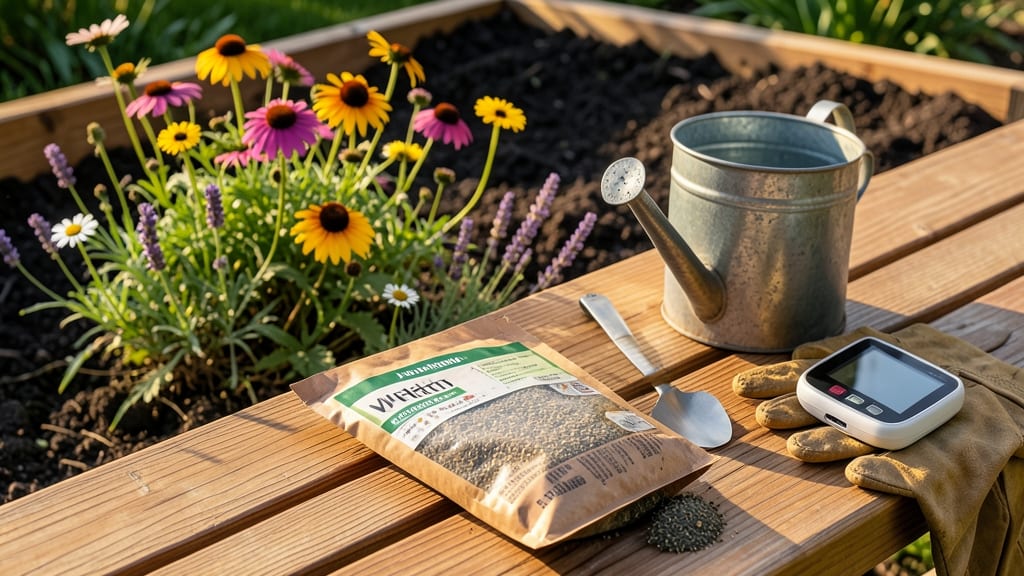
Planting wildflower seeds in June can work—if you know the right varieties and conditions for your region.
June might feel like the perfect time to add vibrant 🌼 wildflowers to your garden, but planting too late can leave your seeds struggling. The key is choosing drought-tolerant species and preparing the soil just right to help them establish strong roots before winter.
In USDA Zone 6a, late summer is actually the ideal window for many wildflowers, but June planting requires extra care—think light, frequent watering and avoiding heavy soils.
I’ll walk you through the best seeds for this timing, soil prep tips, and how to protect your new blooms from summer heat.
By the end, you’ll know exactly how to turn June into a second chance for a colorful, resilient wildflower display next spring.


June wildflower planting: what you need to know before you start
June might seem like the ideal month to sprinkle wildflower seeds across your garden, but timing is everything when it comes to wildflower germination. Many gardeners assume summer planting is too late, but with the right seed varieties and preparation, June can actually work—especially in warmer climates.
The key lies in understanding your local climate zone, soil conditions, and moisture availability.
Native wildflowers like black-eyed Susans and coneflowers often thrive when planted in late summer, while others, such as annual poppies, prefer cooler spring or fall conditions.
If you're in USDA zones 7-10, June planting can yield beautiful blooms next year, but cooler regions may struggle with seed dormancy and heat stress.
| Factor | June Planting Suitability | Best Practices |
|---|---|---|
| Climate Zone | Zones 7-10: Good | Zones 3-6: Risky | Choose heat-tolerant varieties; avoid zones with early frost. |
| Seed Type | Perennials: Better | Annuals: Limited | Opt for native perennials like coneflowers or black-eyed Susans. |
| Soil Prep | Loose, well-draining soil required | Remove weeds, loosen top 2 inches, and mix in compost. |
| Moisture | Consistent watering critical | Water deeply 2-3 times weekly until established. |
| Shade | Partial shade helps in hot climates | Use mulch to retain moisture and reduce heat stress. |
For June planting success, focus on soil moisture retention—this is your biggest challenge. Wildflower seeds need consistent dampness to germinate, but summer heat can dry out soil quickly. I recommend mulching with straw or wood chips to lock in moisture and keep roots cool.
This mimics natural conditions where wildflowers thrive in disturbed, moist soil after wildfires or floods.
Another critical factor is seed depth. Unlike vegetables, wildflower seeds should never be buried more than ¼ inch deep. Most require light to trigger germination, so simply scatter them on the soil surface and press gently.
If you're planting in sandy soil, consider mixing seeds with a bit of compost to help them stay in place during watering.
Not all wildflowers are created equal when it comes to late-season planting. Annual wildflowers, like cosmos or zinnias, may not establish strong roots before winter, while perennial varieties like blanket flower or butterfly weed can handle the heat.
If you're unsure, check the seed packet for germination requirements—some need a cold period (stratification) that June planting skips.
One of my favorite June-friendly wildflowers is Mexican sunflower (Tithonia rotundifolia), which thrives in heat and blooms prolifically. Another great choice is goldenrod, a late-summer bloomer that attracts pollinators. These varieties can handle the late-summer heat and still produce vibrant blooms the following year.
If you're in a cooler climate (USDA zones 3-6), June planting is riskier, but not impossible. Try pre-sprouting seeds indoors under grow lights for 4-6 weeks before transplanting.
This gives them a head start on root development. Alternatively, wait until late August or September when temperatures begin to drop, mimicking ideal fall planting conditions.
Remember, the goal isn't just to plant seeds—it's to create an environment where they can establish roots before winter. Focus on soil health, moisture consistency, and shade protection to give your wildflowers the best shot at survival.
With the right approach, your June planting could reward you with a colorful, pollinator-friendly garden next summer.
For extra insurance, consider direct seeding in fall if your area experiences early frosts. This allows seeds to germinate in cooler weather and establish roots before winter dormancy.
But if you're committed to June planting, start small with a test patch to monitor germination rates and adjust your approach as needed.
Step-by-step guide: how to plant wildflower seeds in June for maximum growth
Planting wildflower seeds in June can still yield beautiful results if you follow the right steps. The key is preparing your soil properly and providing consistent moisture to help seeds establish strong roots before winter.
With late-summer planting, you’ll give your wildflowers a head start for next year’s vibrant blooms.
June planting works best in warmer climates (USDA Zones 7-10) where frost isn’t a concern. For cooler regions, consider waiting until August or September to avoid early frost damage. Let’s walk through the exact process to maximize your wildflower success.
-
1
Choose the Right Location
Select a spot with full sun (6+ hours) and well-draining soil. Avoid low-lying areas where water pools.
-
2
Prepare the Soil
Loosen the top 2-3 inches of soil with a rake or hoe. Remove weeds and mix in compost or aged manure for nutrients.
-
3
Scatter Seeds Lightly
Spread seeds thinly (1/8 inch deep)—wildflowers need space to thrive. For large seeds, press them into soil; for fine seeds, mix with sand first.
-
4
Water Gently but Deeply
Keep soil consistently moist (not soggy) for 4-6 weeks. Water in the early morning to prevent evaporation and fungal growth.
-
5
Mulch to Retain Moisture
Apply a thin layer of mulch (straw or shredded leaves) to lock in moisture and suppress weeds. Avoid thick mulch that smothers seeds.
-
6
Monitor and Maintain
Check soil moisture daily for the first week, then reduce to 2-3 times weekly. Thin seedlings if overcrowded to 3-4 inches apart.
After planting, avoid fertilizing—wildflowers thrive in low-nutrient soil. Instead, focus on watering consistency until seeds germinate (usually 10-21 days, depending on variety). Once established, your wildflowers will reward you with colorful blooms next spring.
For best results, plant native wildflower varieties suited to your region. These adapt better to local conditions and require less maintenance. With these steps, your June-planted wildflowers will grow into a resilient, low-maintenance garden that attracts pollinators all season. 🌼