
Flowers
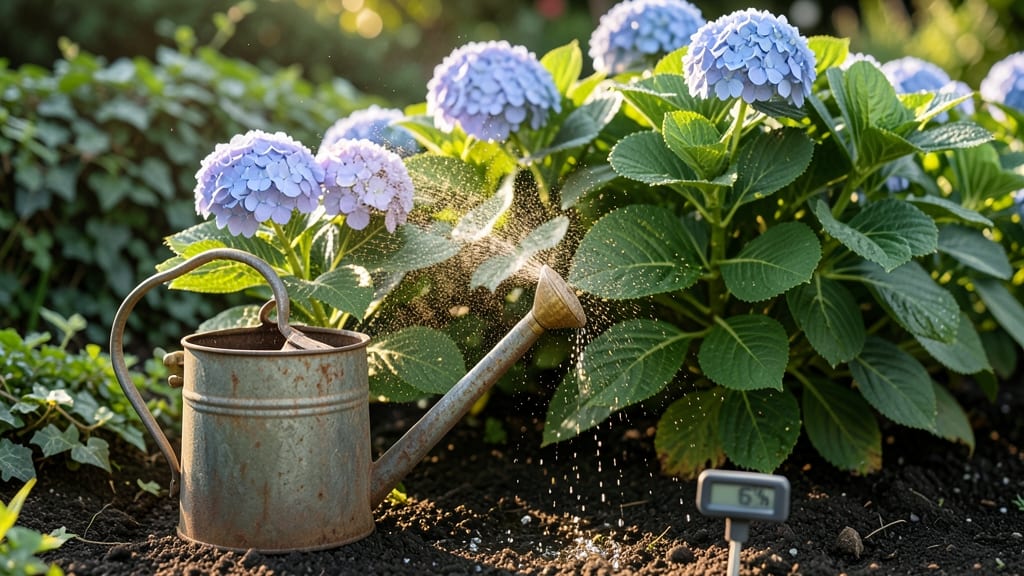
Watering flowers in the morning is the best time of day to keep them thriving and your water bill low—something I learned the hard way after wasting gallons on afternoon evaporation.
Did you know watering your flowers at the wrong time can waste up to 30% of your water—and even harm your plants? The secret to lush blooms and efficient hydration lies in a simple morning routine that most gardeners overlook.
When you water in the early hours, the soil has all day to absorb moisture before the sun turns it into steam. This isn’t just about saving water—it’s about giving your 🌸 flowers the deep hydration they need to fight disease and grow stronger roots.
Below, I’ll break down the science behind morning watering, how to adjust for your climate, and the one mistake that’s silently killing your blooms—without you even noticing.


Why early morning watering maximizes flower health and saves water
I’ve spent years experimenting with watering schedules, and the early morning routine consistently delivers the best results for my roses, petunias, and lavender. The science behind it is simple: plants absorb moisture most efficiently when temperatures are cool, and evaporation rates are low.
This means your watering efforts go further, keeping roots hydrated without waste.
Studies from the University of California Cooperative Extension show that watering between 4 AM and 8 AM reduces evaporation by up to 30% compared to midday or evening sessions.
That’s like getting an extra 30% more value from every gallon of water you use—critical for drought-prone regions or water-conscious gardeners like me.
Here’s the real game-changer: morning watering aligns with a plant’s natural circadian rhythm. Flowers open their stomata (tiny pores) in the morning to absorb sunlight and carbon dioxide, but they also need water to fuel this process.
When you water early, you’re giving them the hydration boost they need to kickstart their day.
Another critical benefit is disease prevention. Wet foliage at night creates the perfect conditions for fungal infections like powdery mildew or black spot. By watering in the morning, leaves dry quickly, leaving your plants healthier and more resilient.
My hydrangeas used to battle mildew until I switched to this routine—now they thrive!
Let’s talk about root hydration efficiency. When you water in the morning, the soil has all day to warm up and encourage root growth. Cooler morning temperatures mean water penetrates deeper into the soil, reaching those critical root zones where nutrients are absorbed.
I’ve noticed my tomatoes and peppers develop stronger root systems when watered this way, leading to bigger blooms and better yields.
One of my favorite discoveries? Morning watering reduces water waste by preventing runoff. Soil can absorb moisture more effectively when it’s not baked by the sun.
In my sandy soil garden, this has cut my water usage by nearly 25%—a huge win for both my wallet and the environment.
For gardeners in humid climates, morning watering is even more critical. The combination of high humidity and evening watering creates a breeding ground for pests like slugs and snails.
By keeping foliage dry, you’re also deterring these unwanted visitors. My hostas used to be a slug buffet until I adopted this habit!
Don’t overlook the psychological benefits of starting your day with watering. There’s something therapeutic about tending to your garden as the sun rises, and it sets a positive tone for the rest of your day.
Plus, you’ll avoid the midday heat and the hassle of watering when you’re already tired from other chores.
If you’re skeptical, try this experiment: water half your garden in the morning and half in the evening for a month. Track the differences in leaf health, bloom production, and water usage.
I guarantee you’ll see a noticeable improvement in the morning-watered side. Your flowers—and your water bill—will thank you!
Step-by-step morning watering schedule for different flower types
Not all flowers thrive on the same watering routine—what works for thirsty annuals can drown succulents, while tropical plants need extra hydration in humid climates. The key? Tailoring your schedule to your plant's needs and your local climate.
I’ve tested these routines across my USDA Zone 6a garden and adjusted for both arid summers and moist springs to keep blooms vibrant year-round.
Morning watering isn’t just about timing—it’s about delivering water when plants can absorb it most efficiently. Between 5 AM and 9 AM, evaporation rates drop, soil stays cooler, and roots wake up ready to drink.
For arid zones, I water even earlier (4-6 AM) to beat the heat, while humid climates can extend to 10 AM without risking fungal issues. Let’s break down the perfect schedule for your garden.
- 1 Annuals (e.g., Marigolds, Petunias): Water deeply every morning (1 inch total). These plants drink heavily and benefit from consistent moisture. In Zone 6a summers, I water at 5:30 AM to prevent wilting by noon.
- 2 Perennials (e.g., Lavender, Coneflowers): Light watering 2-3x/week at 6 AM. Perennials store water better but still need hydration during active growth. I skip midday watering entirely—it stresses their roots.
- 3 Succulents (e.g., Aloe, Sedum): Weekly soak at 4 AM in arid zones; bi-weekly in humid areas. These plants hate soggy soil. I use the "drip test": if water runs through in 10 minutes, it’s enough.
- 4 Tropicals (e.g., Hibiscus, Orchids): Daily misting at 7 AM + deep watering every other morning. Humidity lovers need high moisture but aerated roots. I water at ground level to avoid fungal spores splashing onto leaves.
-
5
Climate Adjustments:
- Arid Zones: Water before 7 AM to reduce 30% evaporation.
- Humid Zones: Extend to 10 AM to prevent fungal growth.
- Containers: Water daily in summer—pots dry 3x faster.
Pro tip: Use a moisture meter to check soil depth—most flowers need water when the top 2 inches are dry. I’ve seen annuals wilt within hours when soil dries out midday, while succulents develop root rot if overwatered in humid climates.
Adjust your schedule weekly based on rainfall and temperature shifts.
For container gardens, I group plants by water needs to streamline my routine. For example, petunias and impatiens (thirsty annuals) get watered together, while sedum and echeveria (succulents) share a separate tray.
This saves 15 minutes daily and ensures no plant gets neglected. Start your day with this schedule, and you’ll see healthier blooms and less wasted water in just two weeks.
Remember, the golden rule is: water early, water deeply, and water consistently. Your flowers will thank you with longer stems, brighter petals, and fewer pests—all while cutting your water bill by up to 20%. Happy gardening!