
Planting
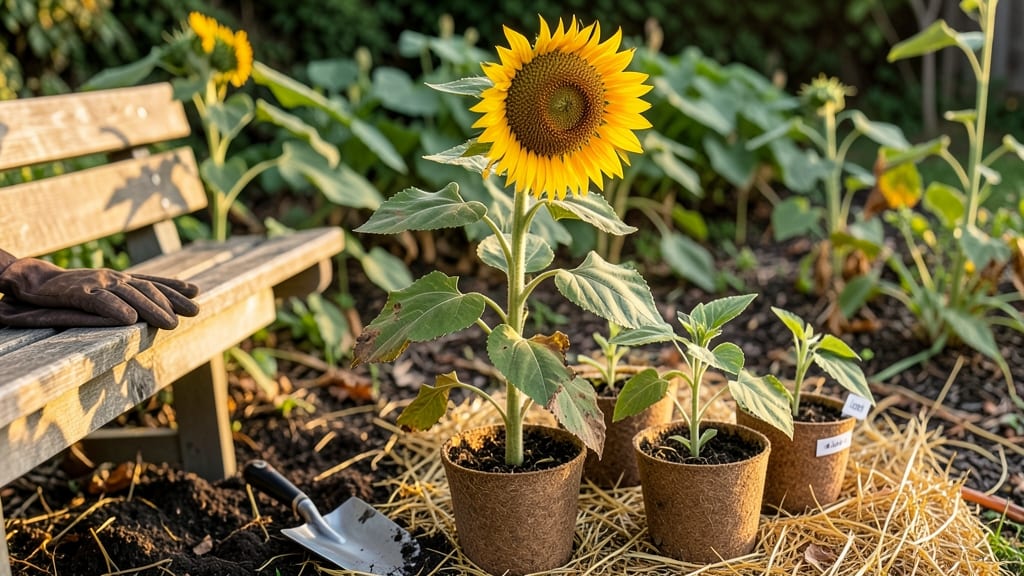
You can plant sunflowers in fall — and it’s easier than you think, especially if you choose the right varieties and timing for your zone.
Sunflowers are often associated with summer blooms, but did you know some varieties thrive when planted in fall—even in cooler climates? If you're wondering whether late-season sunflower planting can work for your garden, the answer is yes, with the right approach.
In USDA Zone 6a and warmer, fall-planted 🌻 can produce stunning blooms or even mature seeds before winter sets in. The key is selecting cold-tolerant varieties like 'Autumn Beauty' and planting 6-8 weeks before your first frost.
Below, I’ll walk you through the best fall-planting strategies, from soil prep to frost protection, so you can enjoy sunflowers well into autumn—or even overwinter them for an early spring surprise.


Best sunflower varieties for fall planting and their growing conditions
Yes, you can plant sunflowers in fall—but only with the right cold-tolerant varieties and growing conditions. While most sunflowers are summer favorites, certain varieties like 'Autumn Beauty' and 'Russian Giant' thrive when sown in late summer or early fall.
These hardy types can handle cooler temperatures and even light frost, making them perfect for USDA zones 3-9. The key is choosing varieties with shorter growth timelines (60-80 days) to mature before winter sets in.
Fall-planted sunflowers offer unique advantages, like longer vase life for cut flowers and earlier blooms the following spring if overwintered. However, growth will be slower due to cooler temperatures, so timing is critical.
Plant seeds 6-8 weeks before your first frost date to ensure they establish roots before winter. In warmer zones (8+), you can even plant as late as October or November for winter interest.
Soil preparation is just as important as variety selection. Sunflowers need well-draining soil with a pH between 6.0-7.5 to prevent root rot. Amend heavy clay soils with compost or sand and avoid waterlogged areas.
Since fall soil is often cooler, mix in aged compost to improve fertility and warmth. A south-facing location with full sun exposure (6+ hours daily) will maximize growth, even in shorter daylight hours.
Here’s how fall varieties compare to traditional summer sunflowers in terms of growth timelines, frost tolerance, and ideal planting windows:
| Variety | Growth Timeline | Frost Tolerance | Ideal Planting Window | Height |
|---|---|---|---|---|
| Autumn Beauty | 60-70 days | Tolerates light frost | Late August–September | 4-5 ft |
| Russian Giant | 80-90 days | Moderate frost tolerance | July–early August | 10-14 ft |
| Moulin Rouge | 65-75 days | Tolerates light frost | Late August–September | 5-6 ft |
| Teddy Bear | 50-60 days | High frost tolerance | September–October | 2-3 ft |
| Summer Varieties (e.g., Mammoth) | 90-120 days | Sensitive to frost | April–May | 8-16 ft |
The Autumn Beauty variety is my top recommendation for fall planting because it blooms in shades of red, yellow, and green, adding vibrant color to late-season gardens. Its shorter stature (4-5 ft) also makes it ideal for smaller spaces or containers.
For taller varieties, 'Russian Giant' is a standout, but it requires more time to mature, so plant it earlier in the fall season.
Sunlight is non-negotiable for fall sunflowers. While summer varieties can handle partial shade, fall-planted sunflowers need at least 6 hours of direct sunlight daily to compensate for cooler temperatures. Position them where they’ll receive morning sun and afternoon light, even if it’s indirect afternoons in cooler climates.
If your garden lacks full sun, consider using reflective surfaces like white walls or mirrors to maximize light exposure.
Watering needs shift in fall due to cooler temperatures and shorter days. Young seedlings still require consistent moisture (about 1 inch per week), but established plants become more drought-tolerant. Avoid overwatering, which can lead to root rot in cold, damp soil.
Instead, water deeply 2-3 times per week and mulch around the base with straw or shredded leaves to retain moisture and insulate roots.
One challenge of fall planting is early frost damage. To protect your sunflowers, use row covers or frost blankets on nights when temperatures drop below 32°F (0°C). For extended growing seasons, consider starting seeds <
Step-by-step guide to planting sunflowers in fall for maximum yield
Fall-planted sunflowers can be a rewarding surprise in your garden, especially if you time it right. The key is to start 6-8 weeks before your first frost date, giving seedlings enough time to establish roots and grow before cold sets in.
For USDA Zone 6a, this typically means planting in late August to early September. In warmer zones (7-9), you can push it to mid-October for early winter blooms. Just remember: shorter days slow growth, so focus on cold-hardy varieties.
- 1 Choose the right seeds: Pick cold-tolerant varieties like 'Autumn Beauty' or 'Russian Giant'. Avoid tall varieties—they may flop in wind or snow.
- 2 Prep the soil: Test for well-draining soil (pH 6.0-7.5). Mix in 2 inches of compost to improve fertility before planting.
- 3 Plant seeds 1 inch deep: Space 12-18 inches apart (closer for dwarf varieties). Thin seedlings to avoid competition.
- 4 Water deeply: Keep soil consistently moist (1-2 gallons per plant). Water at soil level to avoid wetting leaves (reduces fungal risk).
- 5 Mulch after germination: Apply 2-3 inches of straw mulch to retain moisture and insulate roots from early frost.
- 6 Protect from frost: Use row covers or cloches when temps drop below 25°F. Remove during daytime for sunlight.
One common mistake is overwatering in fall—sunflowers need less water as temps drop. Let the top inch of soil dry between waterings to prevent root rot. Also, avoid fertilizing after mid-September; new growth is vulnerable to frost damage.
For maximum yield, harvest seeds before they scatter by covering the flower head with a breathable fabric bag. Cut stems when petals yellow, then hang heads upside down in a dry, well-ventilated space to dry.
If you live in Zone 5 or colder, consider starting seeds indoors in late summer and transplanting hardened-off seedlings outdoors. This gives them a head start before frost.
With these steps, your fall sunflowers will thrive even in cooler weather, adding late-season color and potential seed harvests. Happy planting! 🌻