
Flowers
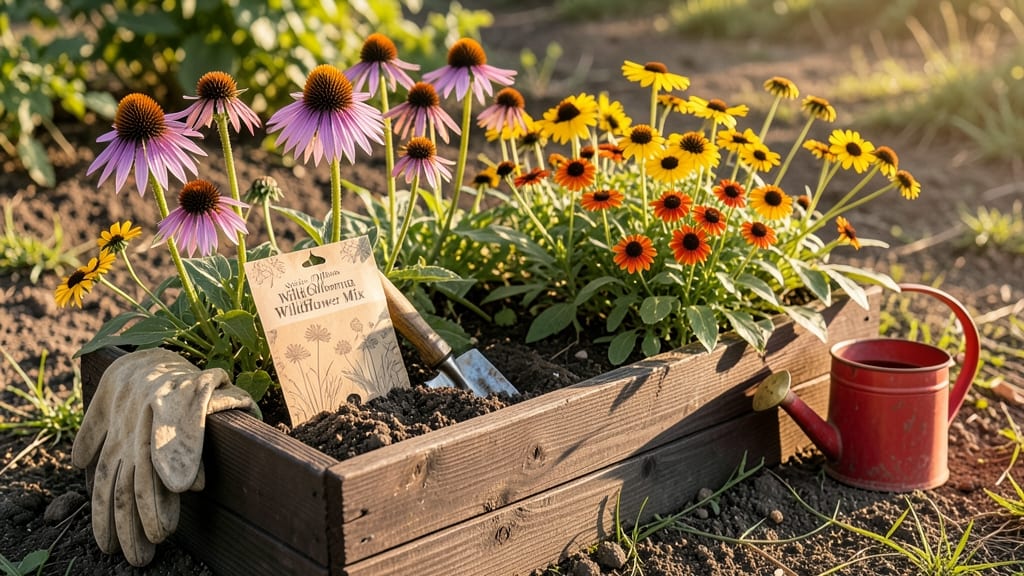
Planting wildflowers in Oklahoma at the right time ensures vibrant blooms from spring to fall, especially in zones 6a-8a where timing can make or break your prairie.
Picture this: you’ve prepped the soil, chosen drought-resistant 🌼 mixes, and scattered seeds—only to watch them struggle under Oklahoma’s unpredictable spring rains or late frosts. The secret?
Planting in late winter to early spring (February-April) or early fall (August-September) aligns with soil temperatures and moisture triggers for maximum success.
Oklahoma’s climate varies wildly—humid east, semi-arid west—so your planting window depends on your county. In the Cross Timbers, for example, early spring is ideal, while the High Plains may wait until late August to avoid summer drought.
Below, I’ll break down the exact timelines, soil prep, and seed choices to turn your land into a thriving wildflower haven.
You’ll learn how to pick the best seed mixes for your microclimate, avoid common mistakes (like planting too late for fall blooms), and keep your wildflowers flourishing year after year—with minimal effort. Let’s get started.
Oklahoma wildflower planting calendar: county-by-county timeline for spring & fall success
Timing is everything when planting wildflowers in Oklahoma, where climate zones shift dramatically from the humid eastern forests to the dry western plains.
I’ve broken down the ideal planting windows by region, so you can align your efforts with nature’s rhythm—whether you’re sowing black-eyed Susans in the Cross Timbers or Indian blanket on the High Plains.
For spring planting, focus on late winter to early spring (February–April), when soil temperatures hover around 55–65°F. In fall, aim for August–September to give seeds time to germinate before winter dormancy.
Each county’s microclimate dictates the exact window, but these general rules apply across Oklahoma’s USDA Zones 6b–8a.
🌱
| Region | Climate Zone | Spring Planting Window | Fall Planting Window | Soil Temp Trigger | Moisture Needs |
|---|---|---|---|---|---|
| Eastern Cross Timbers (e.g., Oklahoma City, Tulsa) | Zone 7a–7b | Mid-February–March 15 | Late August–September 10 | 55–60°F | Moderate (1–1.5" weekly) |
| Central Prairies (e.g., Stillwater, Lawton) | Zone 7b–8a | Late February–April 1 | Early August–September 15 | 60–65°F | Low (0.75–1" weekly) |
| Western High Plains (e.g., Amarillo, Altus) | Zone 7a–6b | March 1–April 10 | Mid-August–September 5 | 65–70°F | Very Low (0.5" bi-weekly) |
| Southeastern Forests (e.g., McAlester, Durant) | Zone 7b–8a | February 15–March 30 | Late July–September 20 | 50–55°F | High (1.5–2" weekly) |
| Panhandle (e.g., Guymon, Boise City) | Zone 6b–7a | Late March–April 15 | Early September–October 1 | 60–65°F | Very Low (0.25–0.5" weekly) |
In the Eastern Cross Timbers, like Oklahoma City and Tulsa, I recommend planting spring wildflowers by mid-March to capitalize on the region’s moderate rainfall. The soil stays moist longer here, giving seeds a head start.
For fall plantings, aim for late August to ensure germination before the first frost, which typically hits around November 15.
Out west on the High Plains, where counties like Harper and Woods County experience drier conditions, I adjust my strategy. Planting in March–April aligns with the soil warming to 65–70°F, and I rely on deep watering to trigger germination.
Fall plantings here must happen by September 5 to avoid winter die-off.
For perennials like Indian blanket, I prioritize fall planting because it establishes deeper roots before summer heat. In contrast, annuals like cosmos thrive when sown in spring, benefiting from Oklahoma’s long, warm growing season.
Always check your county’s last frost date—most areas see it between March 15–April 1.
🌿
Preparing the soil is just as critical as timing. I start by removing weeds and loosening compacted soil to a depth of 4–6 inches. For sandy soils common in western Oklahoma, I mix in compost to retain moisture, while clay-heavy soils in the east benefit from gypsum to improve drainage.
A light rake pass creates a fine seedbed, ensuring good seed-to-soil contact.
After planting, I monitor moisture levels closely. In spring, I water daily for the first week to settle seeds, then taper to 2–3 times weekly as temperatures rise.
For fall plantings, I focus on deep, infrequent watering to encourage root growth before dormancy. Mulching with straw helps retain soil moisture and suppress weeds.
💧
How to choose wildflower seed mixes for Oklahoma’s microclimates: drought-tolerant vs. moisture-loving varieties
Oklahoma’s USDA Hardiness Zones 6b–8a create a patchwork of growing conditions, from the humid Cross Timbers to the arid High Plains. Your wildflower success depends on matching seed mixes to these microclimates—drought-tolerant natives thrive in western regions, while moisture-loving annuals flourish in eastern areas.
Let’s break down the best choices for your specific zone and soil type.
Native Oklahoma species like little bluestem (Schizachyrium scoparium) and Indian blanket (Gaillardia pulchella) are drought-resistant powerhouses, perfect for western counties where rainfall averages 20 inches annually. Meanwhile, non-native cosmos (Cosmos bipinnatus) and zinnia (Zinnia elegans) love moisture and excel in eastern regions with 35+ inches of rain.
Mixing these incorrectly can lead to wilted blooms or wasted seeds.
Before choosing seeds, test your soil’s moisture retention and drainage. Use a simple percolation test: Dig a 6-inch hole, fill with water, then time how long it takes to drain.
If it disappears in 10 minutes, your soil drains too fast for moisture-loving varieties. Amend with compost or peat moss to improve water retention for humidity-dependent mixes.
Drought-Tolerant vs. Moisture-Loving Wildflower Mixes
- Little Bluestem – Thrives in 5–15" rain
- Black-Eyed Susan – Low-maintenance perennial
- Purple Coneflower – Pollinator magnet
Best for: Western OK, well-draining soils
- Cosmos – Fast-growing annual
- Zinnia – Cut-flower favorite
- Mexican Sunflower – Tolerates wet soil
Best for: Eastern OK, richer soils
Pro Tip: For transitional zones (e.g., central OK), blend 50% natives with 50% annuals for resilience.
Prep your soil by removing existing weeds or grass—these compete aggressively with wildflower seedlings. Use a rototiller or smothering method (lay cardboard + mulch) to clear space. For sandy soils (common in western OK), mix in organic matter like composted leaves to improve water retention.
In clay-heavy eastern soils, add coarse sand or perlite to prevent compaction.
After planting, water deeply but infrequently—drought-tolerant mixes need 1 inch of water weekly, while moisture-loving varieties may require 2 inches during dry spells. Mulch with straw or pine needles to retain moisture and suppress weeds. Avoid overwatering, which can drown seeds or attract fungal diseases.
Monitor your wildflowers for pests like aphids or deer, common in Oklahoma’s open landscapes. Use neem oil or physical barriers for organic protection.
With the right mix and care, your prairie will bloom from spring to fall, supporting pollinators and local wildlife while adding color to your landscape. 🌼