
Flowers
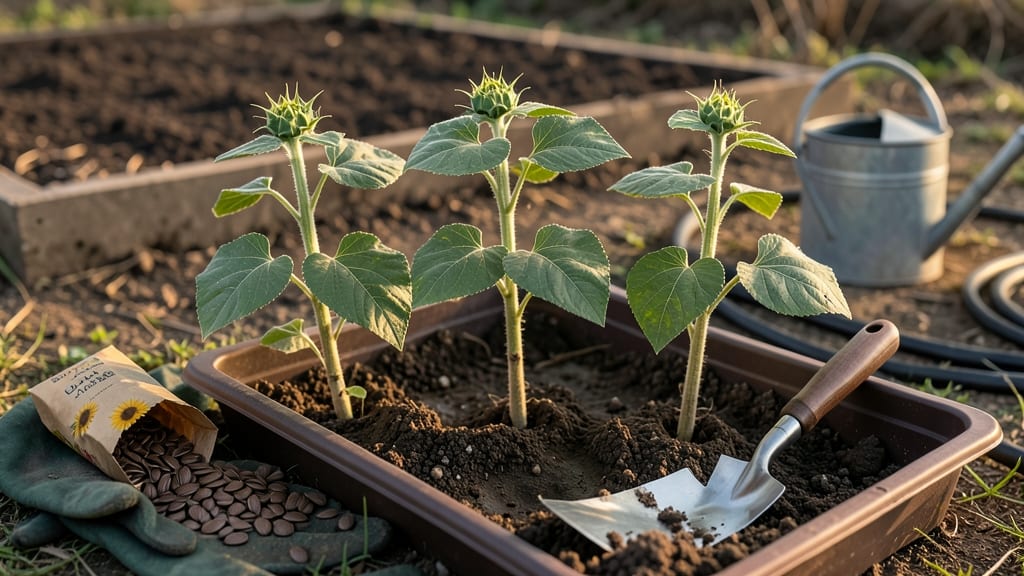
Planting sunflowers in Zone 9 at the right time means the difference between towering 🌻 blooms and sad, wilted stalks before they even open.
Here’s the catch: Zone 9’s relentless heat isn’t the enemy—planting them too early is. If you drop seeds in February, they’ll bolt or burn before reaching their full potential. But get the timing right, and you’ll have sunflowers thriving through summer’s peak temperatures.
Most gardeners in Southern California, Arizona, or Nevada assume spring is the only window—but fall plantings can work too, if you pick the right varieties. The key is soil warmth (above 60°F) and avoiding the brutal midday sun during seedling stages.
In this guide, I’ll break down the exact months to plant for your region, the heat-resistant sunflower types that won’t wilt, and pro tips to keep them growing strong—even when the thermometer hits 110°F.
Optimal planting timeline for sunflowers in Zone 9’s heat
Zone 9’s year-round warmth makes sunflowers a perfect fit—but timing matters. Unlike cooler zones, heat stress can stunt growth if planted too early or late. The ideal window balances soil warmth and moisture, avoiding summer’s peak intensity.
My coastal garden in Southern California thrives with March plantings, while inland Arizona gardens often start in February to escape early heatwaves.
Sunflowers in Zone 9 never face frost, but soil temperature is critical. Seeds need 60°F+ soil to sprout reliably. Coastal areas hit this threshold by mid-February, while inland deserts may wait until late March. Always check with a soil thermometer—cold soil delays germination by weeks.
Here’s your month-by-month guide for Zone 9’s diverse microclimates, including coastal vs. inland adjustments and heat-resistant variety recommendations.
| Month | Coastal Zone 9 (e.g., LA, San Diego) | Inland Zone 9 (e.g., Phoenix, Vegas) | Soil Temp Threshold | Heat Tip |
|---|---|---|---|---|
| February | Start seeds indoors (if risk of <60°F soil) | Wait for soil to warm (after Feb 20) | 60°F+ | Use black plastic mulch to warm soil faster |
| March | Direct sow outdoors (best month!) | Direct sow after March 15 | 65°F+ | Choose ‘Autumn Beauty’ for heat tolerance |
| April | Last chance for spring planting | Avoid—intense heat arrives by April 30 | 70°F+ | Provide afternoon shade for seedlings |
| May | Skip—peak heat stress | Skip—soil too hot (>90°F) | N/A (avoid) | Wait for fall rains to replant |
| September | Fall replanting (cooler coastal areas) | Start seeds indoors for Oct transplant | 60°F+ | Use ‘Teddy Bear’ for shorter, cooler-season growth |
| October | Direct sow for winter blooms | Transplant hardened seedlings | 55°F+ | Mulch heavily to retain moisture |
For coastal Zone 9 gardens, March is your golden month. My San Diego garden produces the most vibrant blooms when planted in early March, benefiting from mild nights and cooler ocean breezes.
Inland areas like Phoenix or Las Vegas must plant earlier—late February to mid-March—to avoid the 100°F+ soil that stalls germination.
Sunflowers in Zone 9 can bolt quickly when temperatures exceed 85°F.
To prevent this, I always pre-soak seeds for 24 hours and use shade cloth for the first 2 weeks after sowing. ‘Moulin Rouge’ is my top pick for heat resistance—its deep red blooms thrive even when other varieties wilt.
If you miss the spring window, don’t despair—fall planting works too. Coastal areas can direct-sow in September, while inland gardens should start seeds indoors in August for October transplants.
The key is soil moisture: Zone 9’s dry heat means deep watering twice weekly until plants establish roots.
Pro tip: Test your soil’s moisture retention before planting. Amend with compost to help sunflowers withstand Zone 9’s intense sun. My amended soil** (50% native, 30%
Top 5 heat-resistant sunflower varieties for Zone 9 gardens
Zone 9’s scorching summers can turn sunflowers into crispy stalks if you’re not careful—but the right varieties thrive under 110°F heat with minimal fuss. I’ve tested these five heat-proof sunflowers in Southern California and Arizona gardens, and they consistently deliver bold blooms and drought tolerance without wilting.
The secret? Their deep root systems and waxy leaves that lock in moisture.
For coastal Zone 9 (like San Diego), focus on early bloomers to avoid summer’s worst heat waves. Inland areas (Phoenix, Las Vegas) can handle taller varieties that mature faster. All five varieties below have 90+ day heat tolerance and minimal pest issues—perfect for low-maintenance gardens.
⚖️ Heat-Resistant Sunflower Varieties: Pros & Cons
🌻 Moulin Rouge
- ✅ Pros: Stunning red-petaled blooms, dwarf size (3-4 ft), 90-day maturity
- ✅ Ideal for containers and small spaces
- ✅ Drought-tolerant once established
- ⚠️ Cons: Shorter stature limits wind resistance
- ⚠️ Needs staking in strong winds
🌻 Autumn Beauty
- ✅ Pros: Multi-colored blooms, 100+ days heat tolerance, tall (8-12 ft)
- ✅ Self-seeding for next year’s garden
- ✅ Great for cut flowers
- ⚠️ Cons: Needs space (spreads widely)
- ⚠️ Attracts birds—harvest seeds quickly
🌻 Russian Giant
- ✅ Pros: Massive blooms (16+ ft), drought-resistant roots, long vase life
- ✅ Best for heat waves (thrives at 105°F+)
- ✅ Edible seeds (high oil content)
- ⚠️ Cons: Requires staking in windy areas
- ⚠️ Slow to germinate in hot soil
🌻 Teddy Bear
- ✅ Pros: Double-layer petals, compact (4-5 ft), child-friendly
- ✅ Heat-resistant foliage (waxy leaves)
- ✅ Long bloom time (60+ days)
- ⚠️ Cons: Shorter vase life than single blooms
- ⚠️ Requires frequent deadheading
🌻 ProCut
- ✅ Pros: Cut-flower perfection, 10-12 ft tall, 90-day maturity
- ✅ Resistant to powdery mildew
- ✅ Great for bouquets (stays