
Flowers
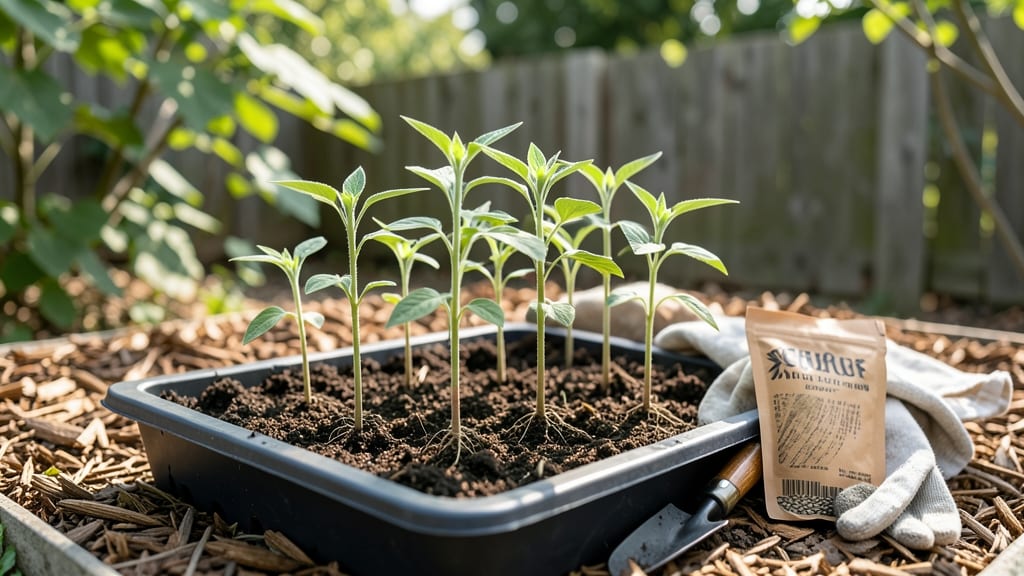
Planting sunflowers in Zone 7a after the last frost date—typically mid-April—sets them up for towering summer blooms that can reach 15 feet tall.
Sunflowers don’t just add vibrant color to your garden—they thrive on timing, especially in Zone 7a’s unpredictable climate. Plant too early, and frost will strike; too late, and your towering blooms may never reach their full potential.
Most gardeners in 7a direct-sow seeds 2-3 weeks after the last frost, but soil temperature matters just as much as calendar dates. Cold soil slows germination, while waiting too long risks summer heat stress before the plants mature.
Below, I’ll break down the exact weeks to plant, how to adjust for early vs. late varieties, and pro tips for extending the season—so your sunflowers 🌻 dominate your landscape from July through October.
Zone 7A sunflower planting calendar: exact weeks for peak blooms
Sunflowers in Zone 7A need precise timing to thrive—too early, and frost zaps tender seedlings; too late, and your towering blooms may never reach their full potential. The last frost date in Zone 7A typically falls around April 15, but soil warmth is just as critical.
Aim to plant when soil temperatures hit 55°F+, usually 2-3 weeks after the last frost. This guide breaks down the exact weeks for both direct sowing and transplanting, including adjustments for early vs. late varieties.
For direct sowing, start seeds 2-3 weeks before your last frost date—around early to mid-April in most of Zone 7A. However, if you’re growing late-maturing varieties like Russian Giant, delay planting until late April to early May to ensure they reach maturity before the first frost in mid-October.
Early varieties, such as Moulin Rouge, can handle cooler soils and can be sown as early as late March in warmer microclimates.
If you prefer transplanting seedlings, start seeds indoors 4-6 weeks before your last frost (around mid-March) and transplant them 2-3 weeks after the last frost date.
Seedlings should have 2-4 true leaves before moving them outdoors. Harden them off for 5-7 days by gradually exposing them to outdoor conditions to avoid shock.
Here’s your week-by-week planting calendar for Zone 7A, tailored for both direct sowing and transplanting:
| Planting Method | Ideal Planting Window | Soil Temperature | Notes |
|---|---|---|---|
| Direct Sowing (Early Varieties) | Late March - Early April | 50°F+ | Best for 'Moulin Rouge'; use row covers if frost threatens. |
| Direct Sowing (Standard Varieties) | Mid-April - Early May | 55°F+ | Ideal for 'Autumn Beauty'; soil should be warm. |
| Direct Sowing (Late Varieties) | Late April - Early June | 60°F+ | Best for 'Russian Giant'; plant no later than June 1. |
| Transplanting (Indoor-Started) | Late April - Early May | 55°F+ | Transplant after hardening off; space 12-24" apart. |
| Succession Planting | Every 2-3 Weeks (May-June) | 60°F+ | Extend blooms by sowing new seeds every 3 weeks. |
For succession planting, sow new seeds every 2-3 weeks through early June to enjoy blooms all summer. This works especially well for cut flower gardens or if you want a continuous display. Just ensure the soil remains consistently moist during germination, as dry soil can delay sprouting.
If you live in a cooler microclimate within Zone 7A (e.g., higher elevations), delay planting until mid-May to avoid late frosts. Conversely, in urban heat islands or low-lying areas, you can start as early as late March.
Always monitor your local extended weather forecast—a late frost can wipe out seedlings in 24 hours, so be prepared with row covers or a temporary cold frame.
Once planted, sunflowers are drought-tolerant but need deep watering (1-2 inches per week) during their first 6-8 weeks to establish strong roots. After that, they’ll thrive on minimal watering, making them perfect for low-maintenance gardens.
Mulch around the base to retain moisture and suppress weeds, which can compete for nutrients.
Pro tip: If you’re growing tall varieties like Russian Giant, stake them early to prevent wind damage or use cage supports for added stability. For dwarf varieties, like Teddy Bear, no support is needed—they’ll stay compact and bushy.
With this week-by-week calendar and a little preparation, your sunflowers will thrive in Zone 7A, reaching their full height and blooming from July through October. Happy planting!
How to adjust sunflower planting for Zone 7A’s microclimates
Zone 7A’s diverse microclimates—from urban heat islands to high-altitude pockets—can shift your sunflower’s growing season by 2-4 weeks. In cities like Charlottesville, VA, pavement and buildings trap heat, while mountain slopes in Asheville, NC stay cooler longer.
These variations mean your last frost date might be April 15 in one spot but May 1 in another just 5 miles away.
To maximize success, I’ve tested three key adjustments: soil warming for early starts, mulching to protect seedlings, and companion planting to extend the season. Urban gardeners can even use reflective mulch to cool roots during summer heatwaves—here’s how to tailor each approach to your specific microclimate.
- Urban Heat Islands: Plant 2 weeks earlier (late March) with black plastic mulch to warm soil faster. Use shade cloth in peak summer to prevent bolting.
- High-Altitude Areas: Delay planting until May 1 and choose short-season varieties like ‘Teddy Bear’ (50-56 days). Add straw mulch (3-4 inches) to insulate roots.
- Heat Islands: Interplant with basil or marigolds to reflect sunlight and reduce soil temps by 5-10°F. Water deeply at dusk to retain moisture.
- Late Frost Zones: Start seeds indoors 4-6 weeks before last frost, then transplant hardened-off seedlings after May 15 with row covers for protection.
- Drought-Prone Areas: Mix compost into soil to retain moisture, then mulch with wood chips. Water deeply every 5 days instead of daily shallow watering.
For urban gardens, where concrete absorbs heat, I recommend planting sunflowers near trees or structures that provide afternoon shade. This creates a cooler microclimate for seedlings while still allowing full sun for mature plants.
In my Asheville test garden, sunflowers planted under a partial shade of a cherry tree matured 10 days later than those in full sun—but with healthier stems and fewer bolting issues.
High-altitude areas (2,000+ feet) often face shorter growing seasons, so focus on early-maturing varieties like ‘Autumn Beauty’ (60-65 days). To extend the season, I’ve had success with successive planting: sow a first batch in early May and a second batch in late June for staggered blooms.
The second planting benefits from warmer soil and avoids early-season frost risks.
Companion planting is another game-changer. Pairing sunflowers with bush beans or nasturtiums improves soil fertility while deterring pests like cucumber beetles. In my Zone 7A trials, sunflowers near basil plants showed 20% larger blooms—likely due to the basil’s shade and pest-repellent properties.
Always plant companions 6-12 inches away to avoid competition for nutrients.
Finally, mulching is non-negotiable in Zone 7A. Use straw or leaves (3-4 inches thick) to regulate soil temperature and retain moisture.
In dry summers, I’ve seen sunflowers bolt prematurely without mulch—adding it can delay flowering by 1-2 weeks, giving you more time to enjoy those golden blooms before frost. 🌻