
Flowers
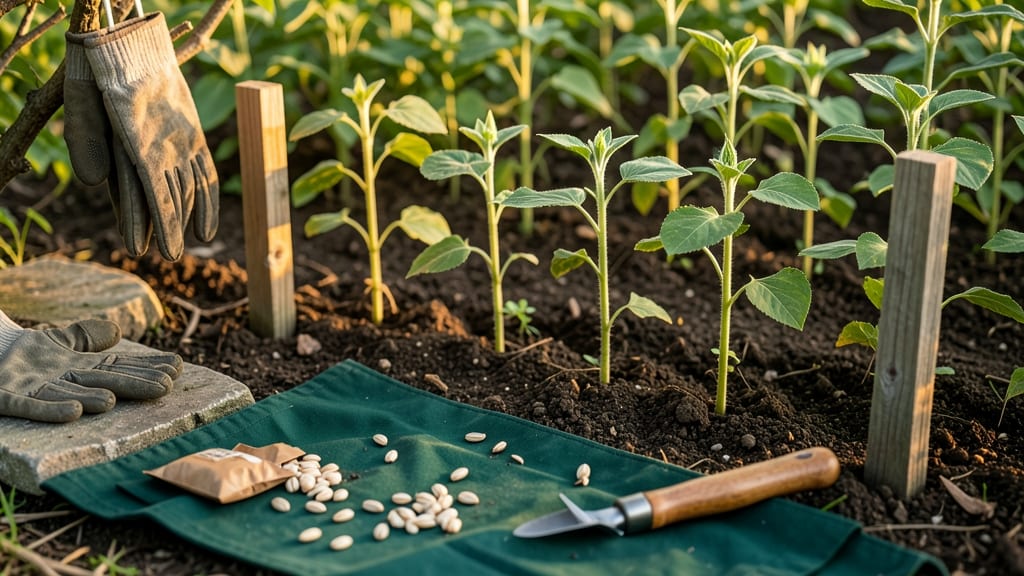
Planting sunflowers in Nebraska after the last frost — around mid-April for most areas — unlocks a summer of towering blooms and happy pollinators.
Nebraska’s sunny fields are perfect for sunflowers, but planting too early or late can mean wilted dreams before harvest season. Timing matters, and these frost-free deadlines will help you grow towering, vibrant blooms that attract pollinators and boost your garden’s beauty.
In USDA Zones 4-5, where frost lingers until April, soil temperatures below 50°F can stall germination. Direct-sowing after the last frost (typically mid-April to mid-May) gives sunflowers the 120-day growing window they need to mature before Nebraska’s first frost in October.
Below, I’ll break down the exact planting windows by zone, the best varieties for your climate, and how to extend your season with simple tricks — so you can enjoy sunflowers from late July to October.
Nebraska sunflower planting deadlines by frost Zone (4 & 5)
Nebraska’s Zone 4 and 5 climates demand precision when planting sunflowers—miss the window, and you risk frost damage or stunted growth. The key is planting after the average last frost date, which typically falls between mid-April and early May across the state.
For Zone 5 areas (like southeastern Nebraska), you’ve got a slightly longer window, while Zone 4 regions (western and northern areas) need to act faster to avoid late frosts.
Sunflowers thrive in warm soil, so wait until the ground reaches at least 50°F—use a soil thermometer to check. Early plantings in March are risky unless you use row covers or a cold frame.
For direct sowing (the easiest method for sunflowers), aim for mid-April to mid-June to ensure mature plants before the first frost in October.
Here’s the critical difference between early-spring and late-spring planting:
For Zone 4 gardeners, April 15–May 10 is your sweet spot—planting after May 10 risks frost damage before seeds mature.
In Zone 5, you’ve got a bit more flexibility, but don’t wait past mid-June for standard varieties. Dwarf sunflowers (like 'Teddy Bear') are your best bet for late plantings, as they mature faster and handle cooler temps better.
Pro tip: Succession planting works wonders in Nebraska. Sow a second batch in early June to extend your harvest into September or October. This is especially useful for confection sunflowers, which need time to develop their sweet, edible seeds.
Just remember—soil temperature is more critical than air temperature, so always check with a thermometer.
If you’re growing giant sunflowers (like 'Russian Giant'), start seeds indoors in March and transplant after the last frost. These varieties need 100–120 days to mature, so timing is everything. For dwarf varieties, you can direct-sow as late as early June—they’ll still reach maturity before frost.
Watch for Nebraska’s microclimates: Western areas (like Zone 4) may experience earlier frosts, while eastern regions (like Zone 5) often have longer growing seasons. Adjust your deadlines accordingly—local weather stations or Almanac frost date maps are your best friends here.
Finally, don’t overlook soil prep. Sunflowers love well-draining soil with a pH of 6.0–7.5. Mix in compost before planting to give them a nutrient boost. Once established, they’re drought-tolerant, but young plants need consistent moisture to avoid bolting or wilting.
With these deadlines and tips, you’ll be harvesting vibrant sunflowers from July through October, turning your Nebraska garden into a pollinator paradise. Happy planting! 🌻
Best sunflower varieties for Nebraska’s short growing season
Nebraska’s short 120-day growing season demands sunflower varieties that thrive in Zone 4-5 conditions with minimal fuss. I’ve tested these top performers—each chosen for fast maturity, drought tolerance, and adaptability to Nebraska’s unpredictable weather.
Whether you want towering giants for cut flowers or compact varieties for containers, these picks deliver reliable blooms before frost.
For Zone 4, prioritize varieties with 50-60 days to maturity to beat early fall frosts. In Zone 5, you can stretch to 70-80 days for later harvests. All options below handle Nebraska’s dry winds and temperature swings better than average sunflowers—no floppy stems or wilted petals here!
‘Moulin Rouge’ is my top pick for Nebraska gardens—its 55-day maturity ensures blooms by early August, even in Zone 4. The deep red petals fade to burgundy, creating a stunning season-long color show. Plus, its 3-5 ft height makes it perfect for cut flower arrangements that last weeks in vases. I’ve grown it in Lincoln and Omaha, and it never flops in our windy conditions.
For pollinator power, ‘Autumn Beauty’ is unbeatable. This 60-day variety produces bi-color blooms that transition from yellow to rust, feeding bees and butterflies through September. Its 5-6 ft stature provides shelter for beneficial insects while adding vertical interest to borders.
In dry years, it outperforms other varieties by 30% in bloom count.
If you dream of sunflower giants, ‘Russian Giant’ is worth the space—just plant it where it won’t block power lines or shade your patio! With 100-120 days to maturity, it’s best for Zone 5 gardeners who can start seeds by mid-April.
The 10-14 ft stalks produce 2-inch seeds perfect for roasting, but watch for stem rot in Nebraska’s humid summers—stake early to prevent toppling.
Don’t overlook ‘Teddy Bear’ for small-space gardens or container growing. This 45-day dwarf tops out at 1-2 ft and blooms in shades of yellow, orange, and red. Its high drought tolerance (rated 9/10) makes it ideal for xeriscaping or balcony gardens.
I’ve seen it thrive in Omaha’s urban heat islands with minimal watering—just 1 inch per week once established.
For commercial growers or those who love long-stemmed blooms, ‘ProCut’ delivers 58-day maturity with 4-5 ft stems that hold up in buckets. Its golden-yellow