
Flowers
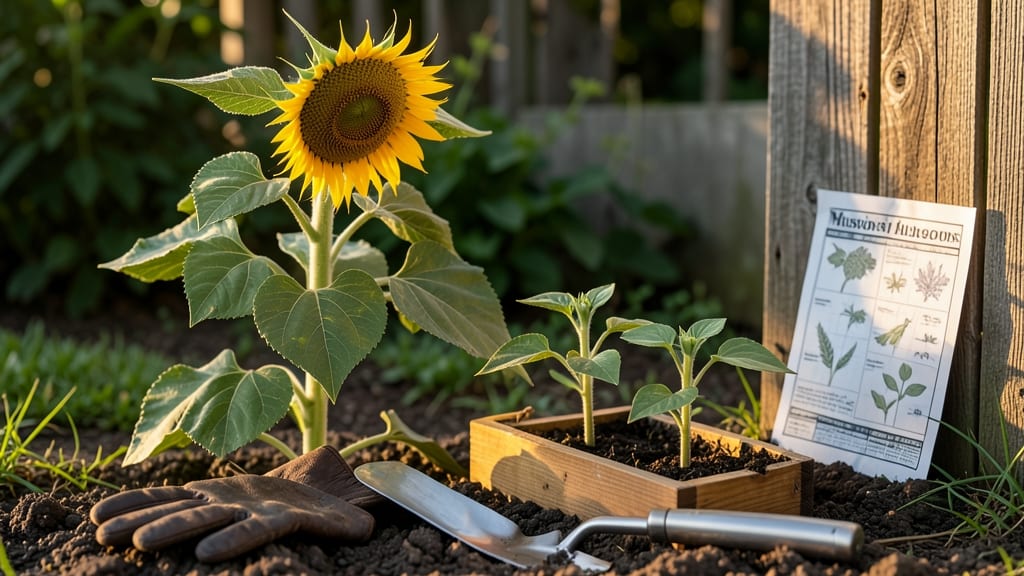
Planting sunflowers in Missouri after your last frost date — typically mid-April to early June — sets them up for towering blooms and a showstopping summer display.
Missouri’s sunny skies and fertile soil create the perfect conditions for sunflowers—but planting them at the wrong time means wilted dreams instead of towering blooms. Timing is everything, and knowing your frost-free zone can mean the difference between a thriving sunflower garden and a sad, stunted crop.
In USDA zones 5b-6b, where most of Missouri falls, the last frost usually arrives around mid-April, but that doesn’t mean you should rush to plant. Sunflowers need warm soil to germinate, so waiting until the ground reaches at least 55°F ensures strong, healthy starts.
Below, I’ll break down the exact planting window for your region, how to adjust for late frosts, and the best sunflower varieties to grow in Missouri’s climate. You’ll learn how to time your planting for maximum height and vibrant blooms that last from late summer through fall.
Missouri sunflower planting timeline by frost-free Zone (2024 guide)
Missouri’s sunflower growing season thrives when planted after the last frost, but exact timing varies by USDA zone. In Zone 5a, where frosts linger until mid-April, you’ll need to wait longer than in Zone 7a, where soil warms faster by early March.
Understanding these differences ensures your sunflowers get a strong start and reach their maximum bloom height.
Sunflowers are warm-season plants that won’t tolerate frost, so timing is critical. For direct sowing, wait until soil temperatures hit 55°F—a threshold most Missouri zones reach between late April and early May.
If you’re using transplants, start them indoors 4-6 weeks before your last frost date to give them a head start.
Here’s your zone-specific planting timeline, including ideal windows for both direct sowing and transplants, plus soil temperature thresholds to ensure success:
For gardeners in Zone 5a, where late frosts are common, I recommend starting seeds indoors in early April and transplanting after May 1. This gives your sunflowers a 6-8 week head start before the growing season peaks.
In warmer zones like Zone 7a, you can even plant dwarf varieties as early as late February for a longer bloom season.
Sunflowers planted too early risk frost damage, while late planting may result in shorter stems and fewer blooms. Aim for 60-70 days of growth before the first frost in your zone.
For example, in Zone 6a, planting by April 15 ensures blooms by late July, giving you a full summer display.
Pro tip: Use black plastic mulch to warm soil faster in cooler zones. This can shave 1-2 weeks off your planting timeline by raising soil temperatures 5-10°F. Just remove it once plants are established to prevent overheating.
If you’re unsure about your exact frost dates, check the Missouri State Climate Office or use a frost calendar app like
How to adjust sunflower planting for Missouri’s unpredictable weather patterns
Missouri’s weather can be as unpredictable as a summer storm—one day it’s sunny and warm, the next it’s freezing with a late frost. Sunflowers are resilient, but they still need the right strategy to thrive.
The key is flexibility in your planting plan, so you’re not caught off guard by Mother Nature’s surprises. I’ve learned that staggered planting and smart mulching techniques are my secret weapons for beating Missouri’s climate quirks.
Late frosts in April and sudden heatwaves in June can throw off even the most experienced gardener. But don’t let that stop you—sunflowers are fast-growing and can bounce back if you give them a fighting chance.
The trick is to space out your plantings and choose varieties that can handle the extremes. For example, ‘Moulin Rouge’ and ‘Autumn Beauty’ are my go-to picks because they mature quickly and tolerate heat better than some others.
Here’s how I adjust my sunflower planting to match Missouri’s mood swings:
- Staggered Planting: Plant seeds in 3 batches—first in mid-April (if frost-free), second in early May, and last in late May. This ensures blooms over 6-8 weeks instead of all at once.
- Mulch Like a Pro: Use straw or wood chips (2-3 inches thick) to retain soil moisture during droughts and insulate roots from late frosts. I add mulch right after planting.
- Choose Heat-Tolerant Varieties: Opt for ‘ProCut’ or ‘Russian Giant’—they handle 90°F+ temps better than standard types. Dwarf varieties like ‘Teddy Bear’ also work well in container gardens.
- Water Deeply, Not Often: Give sunflowers 1-2 inches of water weekly, but soak the soil (not just the surface) to encourage deep root growth. Morning watering prevents fungal issues.
- Watch the Forecast: If a late frost is predicted, cover young seedlings with row covers or old blankets. Sunflowers can handle light frosts (down to 28°F), but new sprouts are vulnerable.
- Succession Planting: After your first batch blooms, sow new seeds every 2 weeks until mid-July. This extends your harvest season and keeps your garden looking full.
One of my biggest mistakes was planting all my sunflowers at once in early May, only to have a late frost wipe out half my seedlings. Now, I divide my seeds into batches and plant them 2 weeks apart.
This way, even if one batch gets hit by frost, the others keep growing. It’s also a great way to extend your bloom time from July to October.
Another trick I swear by is mulching early. I spread straw mulch right after planting to lock in moisture and keep weeds down. During Missouri’s summer droughts, this makes a huge difference.
Plus, mulch acts like a natural insulator, protecting roots from temperature swings. I’ve seen sunflowers survive 100°F days thanks to this simple step.
If you’re dealing with heavy clay soil (common in Missouri), mix in compost or sand before planting to improve drainage. Sunflowers hate soggy roots, so well-draining soil is a must.
I also avoid fertilizing heavily—sunflowers are light feeders and too much nitrogen can make them leafy but flowerless. A light application of 10-10-10 fertilizer at planting is enough.
Finally, don’t forget that sunflowers are drought-tolerant once established. Once they’re 3-4 feet tall, they can handle skipping a week of water if needed. But young seedlings need consistent moisture to avoid stress.
I always check the soil with my finger—if the top 1 inch is dry, it’s time to water.