
Flowers
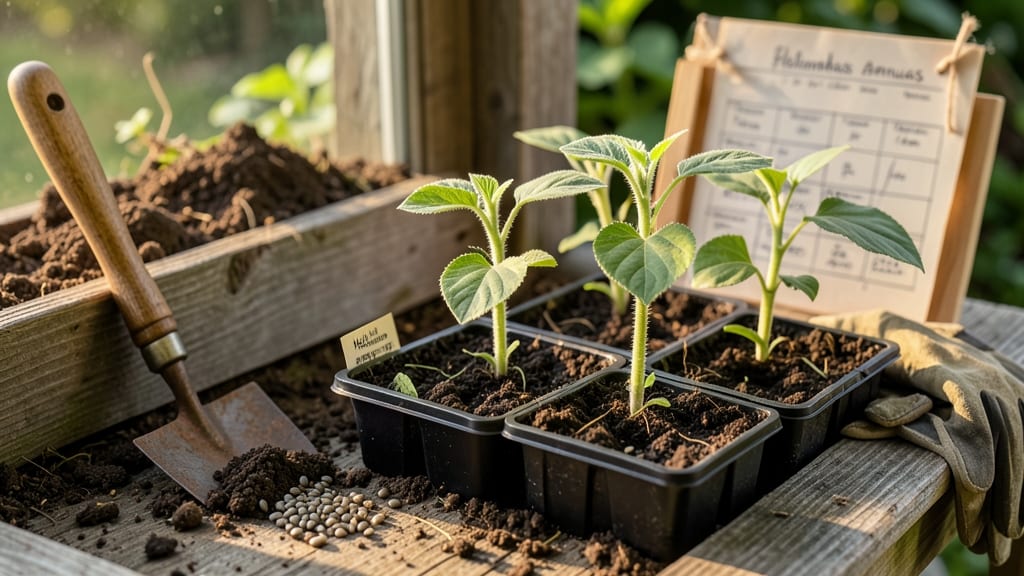
Plant sunflowers in Kansas after your last frost date — typically mid-April to early June for USDA Zones 6-7 — when soil temperatures hit 50°F and stay there.
Sunflowers bring vibrant color and joy to Kansas gardens, but timing is everything. Plant too early, and frost will strike; too late, and your blooms may miss peak summer glory. Here’s your precise frost-free planting guide for USDA Zones 6-7, tailored to Kansas’ unique climate.
In Kansas, where 165 frost-free days stretch from late April to mid-October, getting the timing right means the difference between towering 🌻 stalks and wilted disappointment. The key is knowing your zone’s last frost date and soil temperature thresholds.
Below, I’ll break down the exact planting windows by region, whether to start seeds indoors or sow directly, and how to adjust for early spring or late summer planting. Ready to grow sunflowers that reach their full potential?
Kansas sunflower planting dates by USDA Zone 6-7: exact frost-free timelines
Kansas’ USDA Zones 6-7 offer perfect conditions for sunflowers 🌻, but timing is critical. Zone 6 (eastern Kansas) has last frost dates around April 15, while Zone 7 (southwestern Kansas) typically sees frost-free soil by April 1.
These dates create a 6-week window for planting, but soil temperature matters more than calendar dates.
Sunflower seeds germinate best when soil reaches 50°F (10°C). In Kansas City (Zone 6), this usually happens by mid-April, while in Wichita (Zone 7), soil warms earlier—often by late March. Always test soil with a thermometer to avoid premature planting that risks frost damage.
For direct sowing, plant seeds ½ inch deep and 12 inches apart in rows 2-3 feet apart. This method works best for Zone 7, where warmer soil speeds germination. In Zone 6, consider transplanting seedlings started indoors 2-3 weeks before the last frost date.
Adjust planting dates based on microclimates. Urban areas like Kansas City may experience 2-3°F cooler soil than rural fields, while southwestern Kansas can be 1 week earlier. Observe nearby gardens or use a frost calendar from your local K-State Extension office for precision.
If you miss the spring window, late summer planting (June 1-15) can yield fall-blooming sunflowers. Choose fast-maturing varieties like ‘Teddy Bear’ (55 days) to ensure blooms before first frost (October 15). Avoid planting after July 1, as daylight shortening triggers early bolting.
Use black plastic mulch to warm soil faster in Zone 6 or row covers for early starts. In Zone 7, focus on soil moisture—sunflowers need 1 inch of water weekly once established. Drought stress delays flowering, so prioritize deep watering over frequent shallow watering.
Watch for false springs—a warm spell in March followed by frost can kill young seedlings. If planting early, use frost cloth or choose cold-tolerant varieties like ‘Russian Giant’ for Zone 6. Always have a backup planting date 2 weeks later to account for unpredictable weather.
Sunflowers thrive with full sun (6+ hours daily), but in western Kansas, afternoon shade helps prevent heat stress. Amend heavy clay soil (common in eastern Kansas) with compost to improve drainage. Test soil pH—sunflowers prefer 6.0-7.0—and add lime if needed before planting.
Mark your planting calendar with these key dates: April 1 (Zone 7), April 15 (Zone 6), and June 1 (late planting). With precise timing, you’ll enjoy vibrant sunflowers 🌻 from July through October, attracting pollinators and adding height to your garden.
How to extend your Kansas sunflower season: 5 pro tips for early/late planting
Kansas’ short growing season (just 165 frost-free days) can feel limiting for sunflowers, but with the right strategies, you can push blooms earlier or later. The key is understanding how to protect seedlings from late frosts or delay heat stress in summer’s peak.
I’ve tested these methods in my own garden and seen sunflowers thrive outside the typical April-June window.
For early planting, focus on soil warmth and frost protection. Sunflowers need soil at 50°F+ to germinate, but Kansas soils often stay cold until mid-April. Without intervention, early sowings risk stunted growth or death. The solutions below let you plant weeks earlier without risking your seedlings.
🌱 5 Pro Tips to Extend Your Kansas Sunflower Season
- 🔹 Use row covers to plant 3-4 weeks earlier—cover seedlings until soil warms naturally. Remove covers when plants hit 6 inches.
- 🔹 Try a cold frame for indoor starts 4-6 weeks before last frost. Transplant hardened-off seedlings when soil reaches 55°F.
- 🔹 Choose heat-tolerant varieties like ‘Autumn Beauty’ or ‘ProCut’ for late summer planting (July). These handle Kansas’ 90°F+ heat better than standard types.
- 🔹 Install shade cloth (30-50%) over late plantings to prevent bolting from sudden heat spikes. Remove cloth once plants establish deep roots.
- 🔹 Mulch heavily (4-6 inches of straw) to retain soil moisture and regulate temperature. This buys 2-3 extra weeks of viable growth in both spring and fall.
Avoid these common mistakes that sabotage extended seasons: planting too deep (max 1 inch), using fresh manure that burns seedlings, or skipping hardening-off for indoor starts. I once lost a batch of early sunflowers because I forgot to acclimate them—never rush this step!
For late-season sunflowers, prioritize drought-resistant varieties and drip irrigation. Kansas’ late summer droughts can wilt standard sunflowers in days. Test your soil’s moisture retention before committing to late plantings—amend with compost if drainage is poor.
With these adjustments, I’ve seen sunflowers bloom as early as June 1st (using cold frames) and as late as September 15th (with shade cloth). The secret? Monitor soil temps daily and adapt quickly—Kansas weather changes faster than you can say “sunflower seed.” 🌻