
Flowers
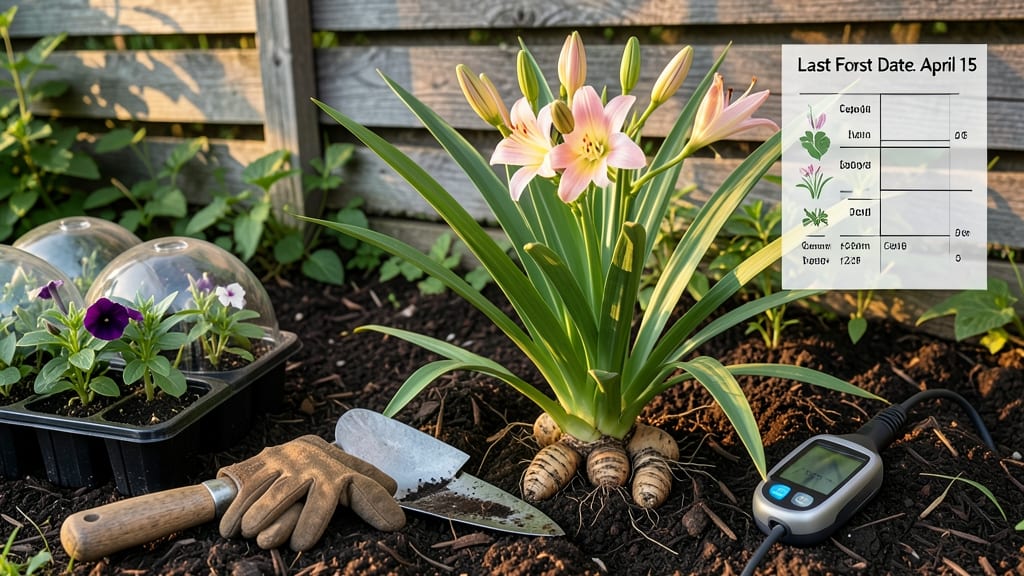
Planting flowers in Pennsylvania at the right time ensures vibrant blooms all season long 🌸—miss the window, and frost will nip your efforts before they even begin.
Timing your flower planting in Pennsylvania can mean the difference between a vibrant garden and a season of wilting disappointment—get it wrong, and frost will strike before your blooms even peek through the soil.
Most gardeners in zones 5a-7a focus on early spring (March-April) or early fall (September-October) planting, but knowing your exact last frost date is the key to success.
Below, I’ll break down the best planting months for annuals, perennials, and bulbs, plus pro tips to extend your season and protect delicate blooms from late frosts.
Pennsylvania frost-free dates by hardiness zone: exact planting windows
Pennsylvania’s diverse climate spans USDA zones 5a-7a, creating varying frost-free windows that dictate when to plant flowers. In zone 5a (northwest PA), frost lingers until May 15, while zone 7a (southeast PA) enjoys frost-free soil by March 25.
These differences mean your Pittsburgh garden has a shorter spring window than your Philadelphia flower beds—a critical detail for annuals like marigolds or perennials such as coneflowers.
Understanding these frost-free dates helps you align planting with soil temperatures. For example, cool-season flowers like pansies thrive when planted 6 weeks before last frost, while heat-lovers (e.g., petunias) need soil above 60°F.
In zone 6a (central PA), this means late April for most annuals, but early May for tropical varieties. Fall planting follows a reverse schedule—aim for 6-8 weeks before first frost, typically September 15-October 1 across PA.
| USDA Zone | Last Frost Date | First Frost Date | Spring Planting Window | Fall Planting Window | Example Cities |
|---|---|---|---|---|---|
| 5a | May 15 | October 1 | May 1–June 15 | September 1–October 1 | Erie, State College |
| 6a | April 25 | October 15 | April 15–May 30 | September 15–October 15 | Pittsburgh, Harrisburg |
| 6b | April 15 | October 20 | April 1–May 20 | September 10–October 20 | Lancaster, York |
| 7a | March 25 | November 5 | March 1–April 30 | September 1–October 31 | Philadelphia, Allentown |
For annual flowers, like geraniums or zinnias, wait until 2 weeks after last frost to avoid cold snaps.
In zone 5a, this means late May, while zone 7a gardeners can start as early as mid-March. Perennials, such as black-eyed Susans or daylilies, are hardier and can be planted 2-4 weeks earlier than annuals, as their roots establish slowly.
My Pittsburgh garden (zone 6a) gets black-eyed Susans in the ground by April 15, but I delay impatiens until May 1.
Fall planting offers a second chance for late-season blooms. In zone 6a, sow pansies or snapdragons by September 15 to enjoy color until first frost.
In warmer zone 7a, extend this to October 15 for calendulas or stocks. Bulbs, like tulips or daffodils, should go in 6-8 weeks before frost, so October 1 in zone 5a and November 1 in zone 7a.
Pro tip: Use a soil thermometer—60°F soil is ideal for most seeds.
Microclimates complicate these general guidelines. A south-facing slope in Pittsburgh may warm up 2 weeks earlier than a north-facing yard, while urban Philadelphia (zone 7a) can have heat islands that delay frost.
To hedge your bets, use row covers for early spring or late fall plantings, or opt for cold-hardy varieties like shasta daisies (zone 5-9) or bee balm (zone 4-9).
Summer planting is less common but works for heat-tolerant annuals like sunflowers or cosmos. In PA, June 15–July 15 is ideal for these direct-sown seeds, as they’ll bloom before first frost.
Avoid transplants in summer—they struggle with heat stress. For fall-blooming perennials (e.g., asters), divide clumps in early spring or early fall to encourage vigorous
Best flowers to plant in PA by season: month-by-month guide
Pennsylvania’s variable climate—from early spring frosts to humid summers—demands a strategic approach to planting flowers. The key is matching flower types with the right planting windows and soil conditions.
For example, spring bulbs like tulips need cold stratification, while summer annuals like zinnias thrive in heat once the soil warms. Even fall mums and winter-hardy perennials have specific deadlines to avoid frost damage.
PA’s USDA Zones 5a-7a mean your last frost date can vary from mid-March in the southeast to early May in the northwest. That’s why I’ve broken down the best flowers to plant each month, including care tips tailored to Pennsylvania’s humid summers and acidic soils in many regions.
Whether you’re a beginner or a seasoned gardener, these seasonal guides will help you maximize blooms year-round.
🌱 Month-by-Month Flower Planting Guide for PA
- February-March: Plant spring-blooming bulbs (tulips, daffodils) and hardy perennials (peony, lavender). Soil should be workable (40-50°F).
- April (after last frost): Sow cool-season annuals (pansies, snapdragons) and transplant seedlings (petunias, marigolds). Use row covers if frost threatens.
- May-June: Plant heat-loving annuals (zinnias, sunflowers) and warm-season veggie flowers (nasturtiums). Mulch to retain moisture.
- July-August: Add fall-blooming perennials (black-eyed Susans, coneflowers) and succession plant quick-growing annuals (bachelor’s buttons).
- September-October: Plant spring-blooming bulbs (hyacinths, crocuses) and fall mums. Choose frost-tolerant varieties like chrysanthemums.
- November (late): Cover tender perennials (salvias, lavender) with straw mulch for winter protection. Avoid planting new flowers.
💡 Pro Tip: Test your soil in early spring—PA’s acidic soils often need lime or compost for optimal blooms.
Let’s start with spring planting, where timing is everything. Tulips and daffodils should go in the ground 6-8 weeks before your last frost date, typically by mid-October for fall planting or February-March for spring blooms.
For annuals like petunias, wait until the soil reaches 60°F—usually late April to early May—to avoid frost damage. In humid PA summers, prioritize drought-tolerant varieties like coneflowers or black-eyed Susans to reduce watering needs.
Summer is all about heat-loving annuals and succession planting. Zinnias and sunflowers thrive in full sun and can handle PA’s 90°F+ days if planted after Memorial Day. For fall color, start chrysanthemums and asters in early August—they’ll bloom right up until frost.
Don’t forget to deadhead spent blooms to encourage more flowers and prevent seed production.
Fall planting is often overlooked but crucial for next year’s spring blooms. Spring-blooming bulbs like hyacinths and crocuses need cold stratification, so plant them by mid-October.
For perennials, choose frost-hardy varieties like Russian sage or sedum, which can handle PA’s first frosts in late October. Always water deeply before the ground freezes to ensure roots stay hydrated.
Winter prep isn’t just for veggies—protecting perennials ensures they’ll bounce back in spring. In Zone 5a, cover tender plants like lavender or salvias with straw mulch or burlap once temps drop below 20°F.
Avoid planting anything new in winter, but you can plan your spring garden indoors by ordering seeds or bulbs early. PA’s humid winters mean less risk of drought, so focus on soil prep—add compost and adjust pH if needed.