
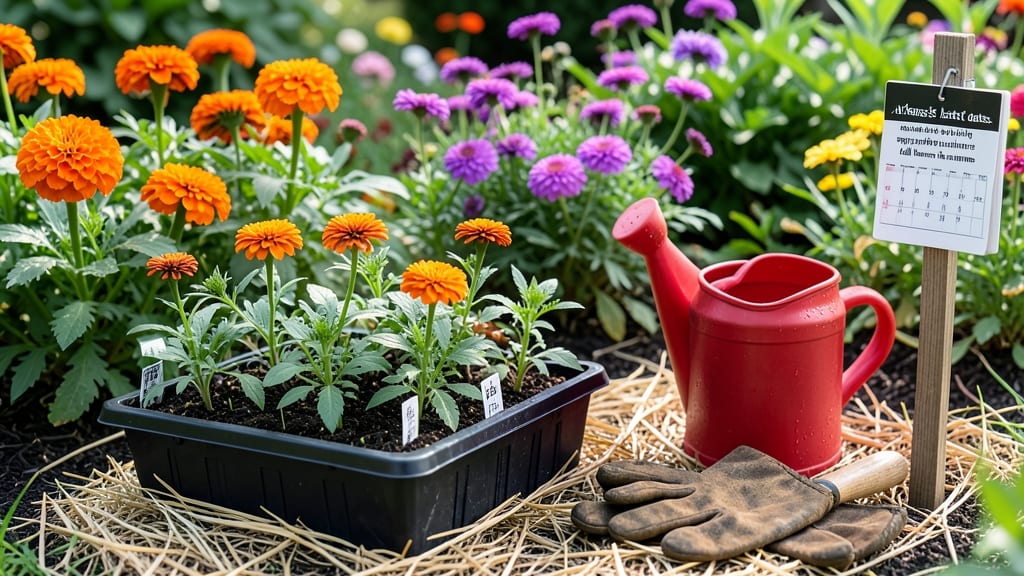
When to Plant Flowers in Arkansas: USDA Zone 7b Deadlines for Zero-Frost Success

Flowers

When to Plant Flowers in Arkansas: USDA Zone 7b Deadlines for Zero-Frost Success

Planting flowers in Arkansas at the right time means the difference between a garden bursting with color and one that never makes it past the first frost.

Timing your flower planting in Arkansas’ unpredictable climate can mean the difference between a vibrant garden and a frost-killed disappointment—especially in USDA Zone 7b where last frosts linger longer than many realize.

If you’ve ever rushed to get seeds in the ground only to watch them wilt under a surprise freeze, you know how critical late winter to early spring planting is. The key is working with Arkansas’ March 15 average last frost date, but even that varies by region.

Below, I’ll break down the exact planting windows for annuals, perennials, and seasonal blooms—plus tips to extend your growing season so you can enjoy 🌸 flowers from spring through fall.

🌸 When to Plant Flowers
Jan ❄️
Feb 🌱
Mar 🌸
Apr 🌸
May 🌱
Jun ☀️
Jul ☀️
Aug ☀️
Sep 🍂
Oct 🍂
Nov 🍂
Dec ❄️
Ideal Time
Also Good

Arkansas flower planting deadlines by season: avoid frost and heat stress

Arkansas’ USDA Zone 7b climate offers a 180-day growing season, but timing is everything—especially when last frosts can strike as late as March 15 in northern regions like Bentonville or even April 1 in cooler valleys.

Meanwhile, Little Rock’s urban heat island effect can push first fall frosts to November 15, giving you just 200-240 frost-free days to work with. Miss these windows, and your heat-sensitive annuals or tender perennials will either wilt in summer heat or freeze before blooming.

I’ve planted flowers in Arkansas for over a decade, and I’ve learned the hard way that microclimates matter. The Ozark Mountains in northwest Arkansas can be 2-3 weeks cooler than Little Rock’s flatlands, while southern Arkansas (like El Dorado) enjoys earlier spring warm-ups.

Even within Zone 7b, these differences can shift your planting deadlines by 10-14 days. To succeed, you’ll need to adjust your schedule based on elevation, soil type, and local frost records—not just the USDA zone.

Here’s the non-negotiable rule: Cool-season flowers (like pansies and snapdragons) must go in the ground 6-8 weeks before your average last frost, while warm-season bloomers (such as zinnias and marigolds) can’t tolerate soil temps below 60°F.

Below, I’ve broken down the critical planting windows for Arkansas’ most popular flowers, plus regional tweaks to keep your garden thriving year-round.

Flower Type Planting Window (Zone 7b) North Arkansas Adjustment Little Rock Adjustment Key Notes
Cool-Season Annuals Feb 15 – Mar 15 Wait until Mar 1 – Apr 1 Feb 1 – Mar 10 Pansies, snapdragons, sweet alyssum. Direct-sow after frost risk passes.
Spring-Blooming Bulbs Oct 1 – Nov 15 Oct 15 – Nov 15 Sep 15 – Oct 30 Tulips, daffodils, hyacinths. Plant 6” deep in well-draining soil.
Warm-Season Annuals Apr 15 – May 15 May 1 – May 15 Apr 1 – Apr 15 Zinnias, marigolds, cosmos. Wait for soil >60°F.
Perennials (Established) Mar 1 – Apr 30 Apr 1 – May 1 Feb 28 – Mar 15 Coneflowers, black-eyed Susans, daylilies. Divide in early spring.
Fall Annuals Aug 1 – Sep 15 Sep 1 – Sep 15 Jul 15 – Aug 15 Mums, asters, calendulas. Plant 6-8 weeks before frost.
Heat-Sensitive Perennials Apr 1 – May 10 May 1 – May 15 Mar 15 –

Top 5 flowers that thrive in Arkansas’s climate (and when to plant them)

If you’re looking for low-maintenance flowers that handle Arkansas’ heat and humidity like pros, you’ve come to the right place. These top 5 bloomers are my go-to picks for their resilience, vibrant colors, and ability to thrive in USDA Zone 7b without fuss.

Whether you’re a beginner or a seasoned gardener, these flowers will reward you with months of color with minimal effort.

Arkansas’ climate—with its hot summers and occasional late frosts—can be tricky, but these flowers are bred to handle it. The key is planting them at the right time to avoid frost damage or heat stress.

Most of these can be sown directly in the garden after your average last frost date (March 15), but some, like zinnias, can even handle a light frost once established.

🌱 Numbered Highlights: Arkansas Flower Planting Guide

  1. 1️⃣ Black-Eyed Susans – Plant March 15–April 30 for summer blooms. Thrives in full sun and drought-tolerant once established. Perfect for wildflower gardens.
  2. 2️⃣ Zinnias – Sow April 15–June 1 for continuous blooms. Loves full sun and well-draining soil. Deadhead for longer flowering.
  3. 3️⃣ Coneflowers – Plant March 1–April 15 for fall color. Handles partial shade and humid conditions. Attracts pollinators like bees and butterflies.
  4. 4️⃣ Marigolds – Start seeds March 1–April 15 or transplant after frost. Repels pests and thrives in poor soil. Great for container gardens.
  5. 5️⃣ Coreopsis – Plant March 15–April 30 for summer-long blooms. Drought-resistant and heat-tolerant. Ideal for border plantings.

Let’s start with Black-Eyed Susans, my all-time favorite for Arkansas gardens. These perennial powerhouses bloom from mid-summer to fall and are nearly indestructible. Plant them in well-draining soil with full sun exposure, and they’ll reward you with golden-yellow blooms that last for weeks.

I’ve seen them thrive even in clay-heavy soil if you amend it with compost.

For zinnias, the secret to success is succession planting. Start your first batch in late April, then sow new seeds every 2–3 weeks until early June.

This ensures you’ll have non-stop color from summer through early fall. Zinnias also make fantastic cut flowers—just snip the stems in the morning when the blooms are fresh.

If you’re looking for a low-maintenance perennial that handles Arkansas’ humidity, coneflowers are a must-have. Their daisy-like blooms come in shades of pink, purple, and white, and they’ll re-bloom year after year with minimal care.

Plant them in partial shade if your garden gets intense afternoon sun, as they appreciate a little relief from the heat.

Don’t overlook marigolds, especially if you’re dealing with pests like aphids or rabbits. Their strong scent deters many garden critters, and they’re incredibly easy to grow.

You can even plant them in containers on your patio or balcony. Just make sure they get at least 6 hours of sun daily for the best results.

Finally, coreopsis is a drought-tolerant beauty that thrives in Arkansas’ heat. Its cheerful yellow and orange blooms light up the garden from late spring to early fall. Like Black-Eyed Susans, it’s a pollinator magnet, so you’ll see bees and butterflies flocking to your garden.

Plant them in well-draining soil and watch them spread over time.

★★★★★4.8(14 reviews)
Categories Flowers