
Flowers
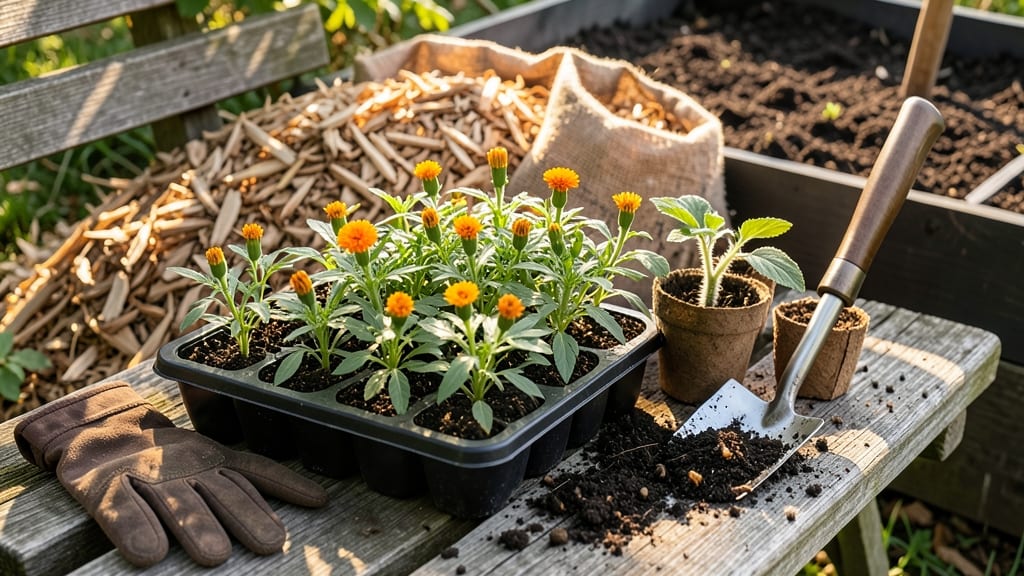
Planting flower seeds in Ohio at the right time means the difference between a garden bursting with 🌸 blooms and a season of disappointment.
Timing your flower seed planting in Ohio can mean the difference between vibrant blooms and wasted effort—miss the frost-free window, and your hard work could freeze before it even sprouts.
With last frosts lingering around April 15 in most of the state, knowing the exact window for each variety is the key to success.
Ohio’s USDA Zone 6a climate gives you two main planting seasons: early spring for cool-loving annuals and late summer for heat-tolerant varieties. But getting the soil temperature right—aiming for at least 60°F—is just as critical as the calendar date.
Below, I’ll break down the best months for annuals like marigolds, perennials like coneflowers, and even when to start seeds indoors. You’ll also discover how to stretch your blooming season with clever tricks like staggered planting and cold frames.
Ohio’s frost-free dates by region: when to plant annual flower seeds
Ohio’s last frost dates vary dramatically by region, and getting them wrong can mean the difference between a garden bursting with zinnias and marigolds or a sad pile of frozen seedlings.
With Ohio spanning USDA Zones 5-6, timing is everything—especially for heat-loving annuals that need 60°F soil to germinate properly. I’ve broken down the frost-free windows for Ohio’s major cities so you can plan your direct sowing and transplanting like a pro.
For most of Ohio, the average last frost date falls between mid-April and early May, but microclimates—like urban heat islands in Columbus or the Great Lakes influence in Toledo—can shift those dates by 1-2 weeks.
I’ll show you exactly when to plant petunias, cosmos, and other favorites in each region, plus whether to start seeds indoors or direct sow outside for the best results.
If you’re planting heat-loving annuals like petunias or geraniums, wait until after your region’s last frost date—even if the air feels warm, cold soil can stall germination. For cool-season flowers like pansies or snapdragons, you can start seeds 4-6 weeks before your last frost for early blooms.
I recommend hardening off seedlings for 7-10 days before transplanting to avoid shock.
In Columbus and Cincinnati, where frost dates are earlier, you can even squeeze in a fall planting of cosmos or zinnias in late summer for late-season color. Just aim to sow seeds by August 1 so they mature before the first frost.
For Toledo and Cleveland, where frosts hit later, you’ve got a longer window—but don’t delay past June 15 for direct sowing, or your plants may bolt before flowering.
Pro tip: Use row covers or cold frames to extend your season by 2-3 weeks in early spring or late fall. I’ve had great success pushing marigolds into the ground in mid-April in Columbus with a simple frost cloth—they survived a 28°F dip and still bloomed beautifully.
Just remove covers during the day to prevent overheating.
For transplanting seedlings, focus on root development—wait until your plants have 3-4 true leaves and are at least 3 inches tall. In Toledo’s Zone 5b, I start petunia seeds indoors in March and transplant them in early May to beat the late frosts.
If you’re in Cleveland, you can start a little later—late March—since your frost dates are slightly later.
Don’t forget about soil temperature! Use a soil thermometer to confirm it’s at least 60°F before planting tender annuals. In my garden, I’ve seen zinnias fail to germinate when soil was only 55°F, even if the air felt warm.
If your soil is too cold, try black plastic mulch to warm it up 5-10°F faster.
Finally, keep an eye on your local microclimate. Gardens in low-lying areas or near large bodies of water may frost 1-2 weeks later than the average. I’ve seen Cincinnati’s downtown areas stay frost-free 5 days longer than rural areas just 10 miles away.
When in doubt, err on the side of caution—wait a week
Perennial vs. biennial flower seed planting: Ohio’s best months for long-term blooms
Ohio’s USDA Zone 6a climate offers two prime windows for planting perennial and biennial flower seeds: early spring and late summer. Unlike annuals, these plants return year after year, making timing critical for establishing strong root systems before winter.
Perennials like coneflowers and black-eyed Susans thrive when sown in late spring (May), while biennials such as hollyhocks benefit from early fall (September) planting to develop roots before dormancy.
For perennials, focus on soil temperature—wait until the ground warms to at least 60°F—and use a light mulch to retain moisture. Biennials, on the other hand, need 6-8 weeks of warm soil to germinate, so aim for late summer sowing.
Both types require well-draining soil and partial shade during their first year to prevent stress.
- Late April–May: Sow perennials like cone flowers and daylilies after last frost. Plant seeds ¼ inch deep in well-prepped soil with compost.
- June–July: Direct-sow heat-loving perennials (e.g., black-eyed Susans) in partial shade to avoid transplant shock.
- September: Plant biennials (e.g., hollyhocks) 6–8 weeks before first frost for root establishment.
- October: Mulch newly planted perennials with 2–3 inches of straw to insulate roots over winter.
Ohio’s fall planting strategy for biennials is a game-changer. By sowing seeds in September, you give them time to germinate and develop strong taproots before winter. In spring, they’ll bolt into tall, dramatic blooms like foxglove or snapdragons.
For perennials, spring planting ensures they establish before summer’s heat, but late summer sowing (e.g., Russian sage) can extend your blooming season into fall.
Pro tip: Test your soil pH (aim for 6.0–7.0) and amend with organic matter like compost or aged manure. Perennials need phosphorus-rich soil for root growth, while biennials thrive with balanced fertilizer at planting. Always water deeply after sowing to encourage germination.
In Ohio’s climate, overwintering is key for perennials. Choose cold-hardy varieties like shasta daisies or beard tongue, and protect young plants with mulch or row covers during harsh winters. Biennials, like sweet William, may need light winter protection in colder microclimates (e.g., northern Ohio).
Stagger your planting dates for continuous blooms. For example, sow half your coneflower seeds in May and the rest in early July to enjoy flowers from summer through fall. This technique works for both perennials and biennials, maximizing your garden’s season-long interest.
Remember: Patience pays off with perennials and biennials. While annuals deliver quick color, these long-term plants reward you with year-after-year beauty—and the right timing ensures they thrive in Ohio’s variable climate.
Start small, keep notes on what works, and soon you’ll have a self-sustaining flower garden that blooms effortlessly.