
Plants
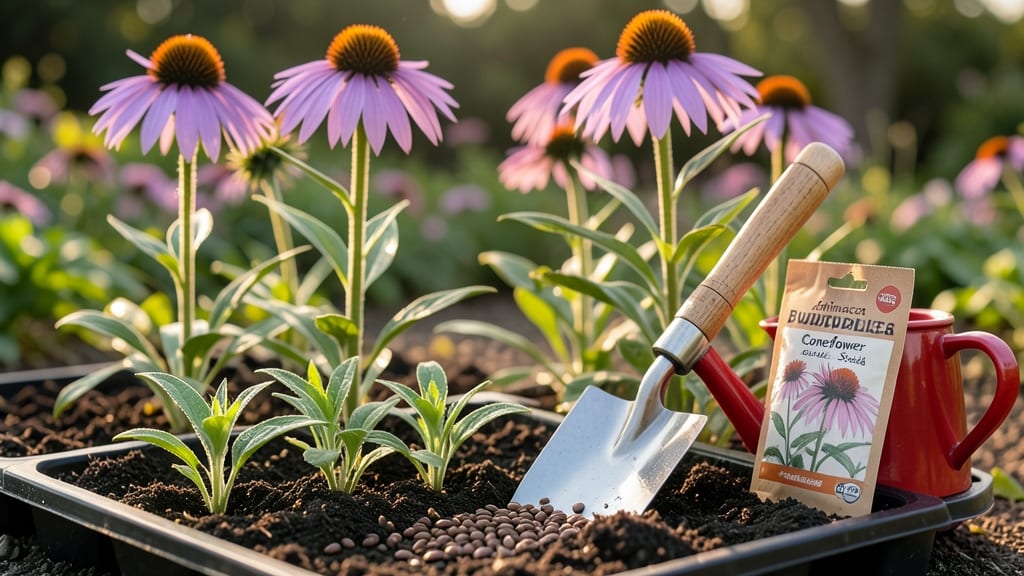
To plant coneflower seeds for vibrant blooms 🌼, aim for late spring to early summer after the last frost—typically April 15 in zone 6a.
Coneflowers (Echinacea) bring vibrant color and pollinator support to any garden—but timing your seed planting is the secret to thriving blooms. Plant too early or late, and you risk weak stems or missed flowering seasons.
This direct-sowing timeline accounts for your climate zone, soil temperature, and frost dates. Whether you're in a cooler northern region or a warmer southern zone, knowing the right window ensures strong root development before summer heat arrives.
Below, I’ll break down the exact months to plant by zone, how to prep your soil, and whether you can stagger sowings for year-round color. Ready to grow a pollinator magnet?
Best months to plant coneflower seeds by climate zone
Coneflowers (Echinacea) thrive when planted at the right time, but their ideal window depends entirely on your USDA climate zone. In colder zones like 3-5, you’ll want to start seeds indoors or sow early spring, while zones 7-10 offer longer growing seasons for direct outdoor planting.
The key is avoiding frost damage to young seedlings while ensuring enough warm weather for germination.
Most gardeners focus on spring planting, but fall sowing is possible in mild climates. Coneflowers are hardy perennials, so timing matters less than soil temperature—seeds need soil temps above 60°F (15°C) to sprout reliably.
Below, I’ve broken down the exact months for each zone, including cold-hardy varieties like Echinacea purpurea and heat-tolerant types like Echinacea paradoxa.
🌱
| USDA Zone | Best Planting Window | Soil Temp Requirement | Frost Considerations | Cold-Hardy Varieties |
|---|---|---|---|---|
| 3-5 | Indoors: March-April Outdoors: May-June |
60-70°F (15-21°C) | Last frost: Late May First frost: Early September |
Echinacea purpurea 'White Swan' |
| 6-7 | Outdoors: April-May Fall: August-September |
55-65°F (13-18°C) | Last frost: Mid-April First frost: Mid-October |
Echinacea atrorubens 'Ruby Giant' |
| 8-9 | Outdoors: March-April Fall: September-October |
50-60°F (10-15°C) | Last frost: February First frost: December |
Echinacea paradoxa 'Green Envy' |
| 10 | Outdoors: January-February Fall: October-November |
45-55°F (7-13°C) | No frost risk | Echinacea tennesseensis 'Summer Sky' |
In USDA zones 3-5, where winters are harsh, I recommend starting seeds indoors 6-8 weeks before your last frost date. Use grow lights to simulate spring conditions, then transplant seedlings outdoors once soil temperatures stabilize.
For zones 6-7, direct sowing in late April or early May works well, but cover seeds with row fabric if nighttime temps dip below 50°F (10°C).
Zones 8-10 enjoy longer growing seasons, so you can plant as early as January for fall blooms or September-October for spring flowers. In these warmer climates, prioritize shade cloth during peak summer heat to prevent seed desiccation. Always test soil moisture—coneflower seeds rot if planted in soggy soil.
For fall planting, aim to sow seeds 8-10 weeks before your first frost. This gives roots time to establish before winter dormancy. In zones 3-5, this means late August to early September; in zones 7-10, you can extend to October or November.
Mulch heavily with straw or leaves to insulate roots during cold snaps.
Pro tip: Use a soil thermometer to confirm readiness. Coneflower seeds need consistent warmth—if temps fluctuate, germination slows dramatically. In my USDA zone 6a garden, I’ve found that mid-May planting yields the most robust plants, with blooms appearing by mid-July.
Adjust for your local microclimate, like urban heat islands or high-altitude gardens.
🌿
If you’re unsure about your frost dates, check your local cooperative extension service or use the Old Farmer’s Almanac for historical data. For container gardening, plant seeds 2-3 weeks earlier than outdoor schedules, as pots warm up faster.
Always use well-draining seed-starting mix—coneflowers hate soggy roots—and keep trays in a sunny, humid environment until germination (typically 10-21 days).
Finally, remember that coneflower seeds have a short viability window—plant them within 1-2 years of harvest for best results. If you’re saving seeds from your garden, store them in a cool, dry place until ready to sow.
With the right timing, your coneflowers will reward you with vibrant blooms from summer through fall and return year after year.
How to extend coneflower blooms with strategic planting times
Staggering your coneflower seed planting is the easiest way to enjoy continuous blooms from early summer through fall. By spacing out sowings every 3-4 weeks, you create a natural succession of flowers that keeps your garden vibrant longer.
This method works especially well in USDA zones 5-9, where summers are long enough for multiple planting windows.
Most gardeners focus on spring planting after the last frost, but fall sowings can give you a head start. The key is understanding how soil temperatures and daylight hours affect germination. Cooler fall soils (50-60°F) actually help seeds germinate more evenly than hot spring soils, reducing the risk of bolting.
🌱 When to Plant Coneflower Seeds for Extended Blooms
- Early Spring: 4-6 weeks before last frost (Zone 3-5: March-April; Zone 6-8: February-March)
- Late Spring: After last frost (Zone 3-5: May; Zone 6-8: April-May)
- Early Summer: June (cool climates only) for fall blooms
- Fall: 6-8 weeks before first frost (Zone 3-5: August-September; Zone 6-8: September-October)
Pro Tip: Fall-planted seeds often produce earlier blooms than spring plantings!
For year-round color, I recommend this three-phase approach: Start with your first batch in early spring, then sow a second batch 4-6 weeks later, and finish with a fall planting.
This creates a continuous bloom cycle from June through October. In warmer zones (9-10), you can even add a late summer sowing for extended fall interest.
If you're in a cooler climate (zones 3-5), focus on spring and fall plantings—summer sowings often fail due to heat stress. Always test your soil temperature before planting: coneflower seeds need soil that's at least 55°F for reliable germination. Use a soil thermometer to avoid guesswork.
Overwintering strategies matter too. In zones 4-6, protect fall-sown seeds with a light mulch layer (2-3 inches of straw) to prevent frost heave. In zones 7-10
Remember, succession planting isn't just about timing—it's about plant spacing too. Leave 12-18 inches between plants to prevent overcrowding, which can lead to fewer blooms. Thin seedlings to the strongest 3-4 per square foot once they reach 4 inches tall for optimal air circulation.