
Fertilization
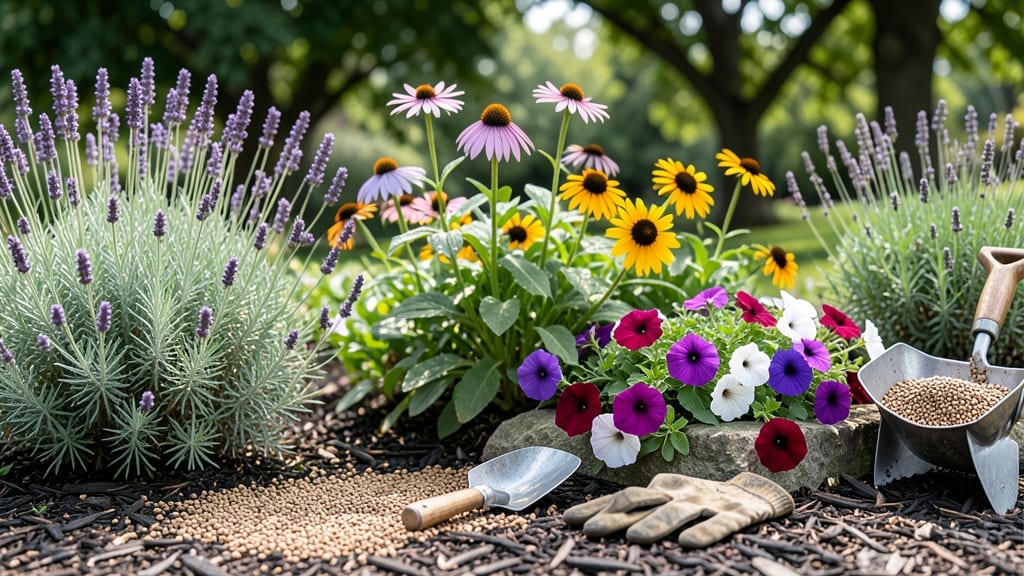
To fertilize flowers at the right time means catching them when they’re hungry—not when they’re full or dormant.
Picture this: you’ve just planted your spring blooms 🌸, and you’re eager to see them thrive. But fertilizing too early can burn delicate roots, while waiting too long means missed opportunities for vibrant color and lush growth. The key? Timing it with your flowers’ natural cycles.
Most gardeners focus on spring and summer, but fall fertilization can set up next year’s success, and winter is a time to let your plants rest.
Whether you’re growing annuals that need frequent feeding or perennials that store energy for years, knowing when to feed—and when to skip it—makes all the difference.
In this guide, I’ll break down the best times to fertilize by season, how to adjust for different flower types, and how to spot when your plants are actually asking for nutrients. No more guesswork—just stronger roots, bigger blooms, and a garden that keeps giving back.
Best times of year to fertilize flowers for maximum blooms
Timing your flower fertilization can mean the difference between a lush, vibrant garden and one that struggles to bloom. Seasonal fertilization aligns with your plants' natural growth cycles, ensuring they get nutrients when they need them most.
For example, spring feeding kickstarts root and bloom development, while fall fertilization strengthens plants for winter dormancy.
Annuals and perennials have different needs—annuals like petunias thrive with frequent, lighter feedings, while perennials such as roses benefit from heavier applications less often. Understanding these differences helps you avoid over- or under-fertilizing, both of which can harm your plants.
Missed fertilization windows? Don’t worry—we’ll break down the best months for each season, plus how to adjust for early-season prep and late-season care to protect your flowers from winter damage. Let’s dive into the seasonal schedule that’ll keep your garden flourishing year-round.
Spring is the perfect time to start fertilizing, as your flowers emerge from dormancy and begin actively growing. For perennials, apply a balanced fertilizer (like 10-10-10) in early spring (March-April) to encourage robust root and stem development.
If you’re growing annuals, like marigolds or zinnias, hold off until after they’ve sprouted—typically late April or early May—to avoid burning tender seedlings.
In summer, focus on light, frequent feedings to sustain blooms without overwhelming the plants. Heat stress can reduce nutrient uptake, so opt for slow-release fertilizers or liquid feeds applied in the early morning to prevent leaf burn.
Avoid fertilizing during extreme heat waves, as plants prioritize survival over growth during these periods.
Fall fertilization is often overlooked, but it’s critical for perennials and woody plants like roses. Apply a low-nitrogen, high-phosphorus fertilizer (like 5-10-5) in early fall (August-September) to help roots store energy for next year’s growth. This timing also prevents late-season growth that could be damaged by early frosts.
Winter is the only season you should skip fertilization entirely. Most flowers are dormant during this time, and feeding them can lead to nutrient burn or weak regrowth in spring. Instead, focus on mulching to insulate roots and protect them from freezing temperatures.
Pro tip: Always water your flowers before applying fertilizer to help nutrients absorb evenly. This is especially important in container gardens, where soil dries out faster. For heavy bloomers like hydrangeas or impatiens, consider a bloom-boosting fertilizer with higher phosphorus (e.g., 7-9-5) during peak growing months.
By following this seasonal schedule, you’ll give your
How to adjust fertilization based on flower type and growth stage
Not all flowers have the same hunger schedule—what works for petunias might burn tulip bulbs, and feeding roses too late in the season can lead to weak winter survival.
As someone who’s learned this the hard way (looking at you, over-fertilized marigolds!), I’ve found that matching fertilization to both flower type and growth stage is the secret to vibrant blooms without wasted effort.
The key is understanding whether your plants are in their pre-bloom phase (when they need phosphorus for roots and buds) or their post-bloom recovery stage (when they need potassium to rebuild strength).
Let’s break down the best approach for three common categories: bulbs, perennials, and annuals, so you can feed them exactly when they need it.
When to Fertilize Flowers by Type
✅ DO Fertilize
- Bulbs (Tulips, Daffodils): Fall (6 weeks before frost) for root growth
- Perennials (Roses, Lavender): Early spring (when shoots emerge) + post-bloom (late summer)
- Annuals (Petunias, Marigolds): Every 2-3 weeks during active growth
❌ DON'T Fertilize
- Bulbs: Spring (after foliage dies back)
- Perennials: Late fall (encourages tender new growth)
- Annuals: Winter (dormant or dead plants)
💡 Pro Tip: Use a low-nitrogen fertilizer (5-10-10) for blooms, not lawn food (high nitrogen = leafy growth, not flowers).
For bulbs like tulips and daffodils, the golden rule is: fertilize in fall only. These plants store energy underground during winter, and feeding them then encourages strong root systems for next year’s blooms.
Skip spring fertilization—it can actually weaken their natural cycle. I’ve seen gardeners double their tulip blooms just by adding a balanced bulb fertilizer in October!
When it comes to perennials like roses and lavender, think of fertilization as a two-part process. Start with a light feeding in early spring as new growth appears, then follow up with a phosphorus-rich fertilizer after blooming to help them store energy for winter.
My lavender bushes thrive when I feed them in May and again in August—no more leggy, floppy stems!
Annuals like petunias and marigolds are the heavy eaters of the flower world. These plants grow and bloom quickly, so they need frequent, light feedings every 2-3 weeks during their active season. Use a water-soluble fertilizer to avoid salt buildup in containers. I swear by a liquid bloom booster on my petunias—they’ve gone from sparse blooms to non-stop color since I started this routine.
One mistake I see often is fertilizing after the first frost. Cold weather slows plant metabolism, so any nutrients applied then just sit in the soil, potentially burning roots when temps warm up.
Always stop fertilizing 6 weeks before your first frost date to give plants time to harden off naturally. For me, that means early October in most zones.
Remember, the goal isn’t just more flowers—it’s healthier plants that bloom better year after year. By matching your fertilization to each flower’s natural rhythm, you’ll save time, money, and a whole lot of frustrated gardening moments. Now go check your garden—what’s ready for a feed?