
Blooming
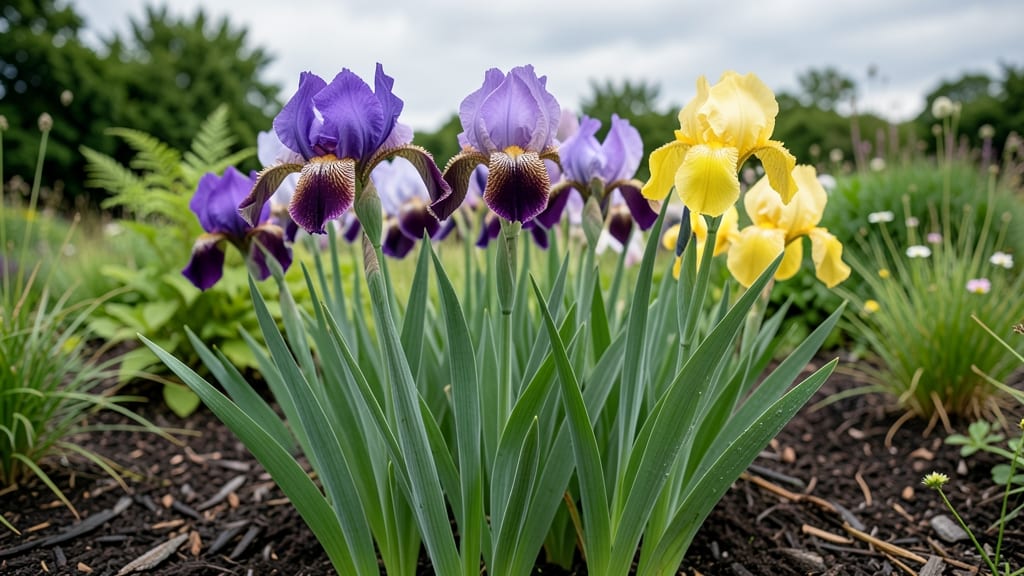
Iris flowers bloom in late spring to early summer, but the exact timing depends on your variety and climate zone.
Picture this: you’ve just planted your 💜 iris rhizomes in early spring, and now you’re wondering when those striking blooms will finally make their debut. The answer isn’t one-size-fits-all—some varieties burst into color as early as April, while others wait until June, especially in warmer zones.
In USDA Zone 6a, where I garden, most irises put on their show between May and early June, but Siberian irises often bloom a few weeks earlier. Meanwhile, Louisiana irises might drag things out until July, especially in humid climates.
The key? Knowing your iris type and local frost dates lets you time companion plants and deadhead blooms for a longer display.
Below, I break down the blooming windows for popular iris varieties, how to spot when buds are about to open, and what to do if your irises are running late. No more guessing—just timely blooms and a garden that steals the show.
Iris blooming seasons by popular variety (with exact timing)
If you've ever wondered when do iris flowers bloom, the answer depends entirely on the variety you're growing. Some irises burst into color in late winter, while others wait until mid-summer.
Even within the same species, bloom times can shift by 4-6 weeks based on your USDA zone. Let’s break down the exact bloom windows for 12+ popular iris varieties so you can plan your garden’s seasonal highlights.
The key to predicting iris blooms is understanding their natural dormancy cycles. Most irises need a period of cool weather to trigger flower buds, which is why early spring bloomers often thrive in colder zones, while late-season varieties perform better in warmer climates.
Below, I’ve organized irises by their typical bloom periods, with adjustments for USDA Zones 3-10.
| Variety | Bloom Time (Zones 3-5) | Bloom Time (Zones 6-8) | Bloom Time (Zones 9-10) | Height | Notes |
|---|---|---|---|---|---|
| Bearded Iris | Late April - Early May | Mid-April - Late May | March - April | 2-3 ft | Classic spring bloomer; divide every 3-4 years. |
| Siberian Iris | Late May - June | May - Early June | April - May | 2-3 ft | Tolerates partial shade; great for woodland gardens. |
| Japanese Iris | June - July | Late May - June | May - June | 1.5-2.5 ft | Loves moist, acidic soil; thrives near ponds. |
| Louisiana Iris | July - August | June - July | May - June | 3-4 ft | Heat-loving; perfect for humid climates. |
| Dwarf Iris | April - May | March - April | February - March | 8-12 in | Ideal for rock gardens; blooms early. |
| Aril Iris | May - June | April - May | March - April | 1-2 ft | Unique aril markings; great for borders. |
| Pacific Coast Iris |
How USDA zones shift iris blooming times (and what to plant nearby)Your USDA zone plays a huge role in when your iris flowers bloom. A Zone 5 garden might see irises pop in early May, while Zone 8 gardens could enjoy blooms as late as July. Understanding these shifts helps you plan companion plants and extend your garden's color show. For example, bearded irises in Zone 4 often bloom 3-4 weeks earlier than their Zone 9 counterparts. This timing difference isn't just about temperature—it's also about daylight hours and soil warmth. Let's break down how to work with these natural variations to create a longer bloom season.
1
Zone 3-4: Iris blooms appear 3-4 weeks earlier (late April-early May) due to colder springs triggering dormancy breaks sooner.
2
Zone 5-6: Standard bloom window is May-June, with Siberian irises often blooming 2 weeks later than bearded types.
3
Zone 7-8: Blooms extend to June-July, with Louisiana irises thriving in heat and blooming 4-6 weeks later than northern varieties.
4
Zone 9-10: Some varieties bloom year-round in mild climates, with peak seasons in fall and winter for cool-season types.
5
Microclimate Tip: South-facing slopes can push blooms 1-2 weeks earlier in cooler zones by warming soil faster.
To extend your iris display, pair early bloomers like Japanese irises (Zone 5-8) with late-season varieties such as Louisiana irises. This creates a 3-month bloom window from May through July in Zone 6 gardens. For Zone 4 gardens, try planting reticulated irises alongside bearded types—they often bloom 2 weeks apart. For Zone 7-10 gardens, consider fall-blooming irises like Aril irises (Zone 8-10) to add color in September-October. These varieties naturally extend your bloom season by 6-8 weeks. Just ensure they get well-draining soil to prevent rot in humid climates. Pro tip: Use black plastic mulch in cooler zones to warm soil and trigger earlier blooms. In Zone 5, this can shift your bearded iris blooms from late May to mid-May. For Zone 8, provide afternoon shade to prevent July heat stress and prolong bloom time. By understanding these zone-based shifts and strategic companion planting, you can turn your iris garden into a continuous color spectacle from spring through summer. The key is matching varieties to your microclimate and giving them the right growing conditions to perform at their best. 💜 |