
Planting
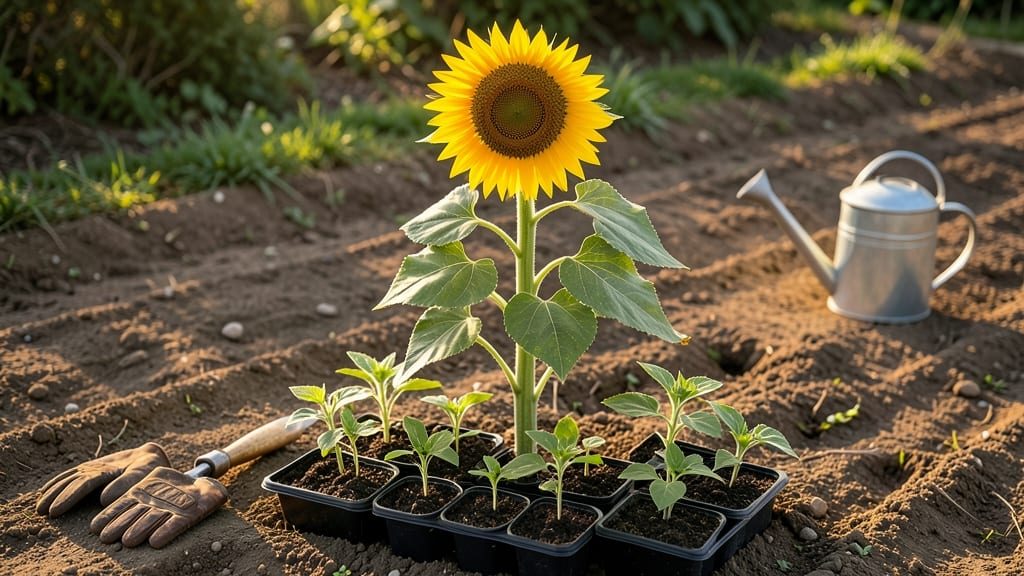
You can plant sunflowers in June—but only if you choose the right varieties and adjust your approach for late-season growth. 🌻
June’s golden sun might feel like the perfect time to plant sunflowers—but will your seeds have enough time to grow into towering beauties before frost? The answer isn’t as simple as ‘yes’ or ‘no,’ and getting it wrong could mean weak stems or no blooms at all.
Sunflowers thrive when planted in April or May, but June plantings can still succeed if you focus on fast-maturing varieties and extend the growing season with protective measures. The key is selecting seeds that mature in 60-80 days, so they reach full height before cooler weather sets in.
Below, I’ll walk you through the best sunflower types for late planting, how to prep your soil for stronger stems, and simple care tricks to keep your blooms vibrant—even when the days grow shorter.


How to successfully plant sunflowers in June: varieties & timing
June can absolutely work for planting sunflowers—if you choose the right fast-maturing varieties and account for your local frost dates. Sunflowers thrive in warm weather, but late plantings need varieties that mature in 60-80 days to avoid frost damage.
The key is balancing growing season length with your region’s climate.
Before planting, check your average first frost date (typically late September to October in most U.S. zones). Count backward 70-80 days to determine your last safe planting window. For example, if frost hits October 15, aim to plant by June 15-20 for full maturity.
In warmer zones (like Zone 9+), you may push planting to July 1.
Not all sunflowers are created equal for late planting. Dwarf varieties like 'Teddy Bear' (3-4 ft tall) mature faster than giants like 'Russian Giant' (12+ ft).
Hybrid varieties like 'Autumn Beauty' (60-70 days) or 'Moulin Rouge' (65 days) are excellent choices for June plantings, offering vibrant blooms without requiring a long season.
To maximize success, adjust your planting depth and spacing for June plantings. Sow seeds 1 inch deep (vs. 1.5 inches in spring) to encourage faster germination in warm soil. Space dwarf varieties 12 inches apart and taller types 24-36 inches apart to allow airflow and prevent disease.
| Variety | Days to Mature | Height | Best For June? | Notes |
|---|---|---|---|---|
| Teddy Bear | 55-60 days | 3-4 ft | ✅ Yes | Dwarf, early blooming, great for containers |
| Autumn Beauty | 60-70 days | 5-6 ft | ✅ Yes | Bicolor blooms, fast-growing, disease-resistant |
| Moulin Rouge | 65-75 days | 6-8 ft | ✅ Yes | Striped petals, great for cut flowers |
| Russian Giant | 90-120 days | 10-16 ft | ❌ No (unless Zone 9+) | Needs long season; risky for June |
| Sunspot | 50-55 days | 2-3 ft | ✅ Yes | Fastest maturing, perfect for late plantings |
If your growing season is tight, consider extending it with protective measures. Use row covers or cold frames to shield young plants from unexpected chills. In cooler climates, start seeds indoors 2-3 weeks before your target outdoor date, then transplant seedlings after soil warms to 50°F+.
Soil temperature matters more than air temperature for June plantings. Use a soil thermometer to confirm it’s at least 55°F before sowing. If soil is cooler, wait a few days or use black plastic mulch to warm it faster.
Amend soil with compost to improve drainage and fertility, as sunflowers are heavy feeders.
Watering strategies shift in June due to higher evaporation rates. Keep soil consistently moist (not soggy) during the first 30 days to establish roots. After that, reduce frequency to every 3-5 days, watering deeply at the base of the plant to encourage strong stems.
Avoid wetting foliage to prevent powdery mildew, a common late-season issue.
For regions with short growing seasons, prioritize fast-maturing varieties and use drip irrigation to maintain moisture without overwatering. If you’re in Zone 5 or cooler, consider planting sunflowers in containers that can be moved indoors before frost or mulch heavily to insulate roots.
Remember, sunflowers planted in June can still produce stunning blooms
June planting tips for stronger sunflower stems & blooms
To grow strong sunflower stems and vibrant blooms from June plantings, focus on three critical factors: soil enrichment, consistent moisture, and optimal sunlight exposure. Late-season sunflowers need extra nutrients to compensate for shorter daylight hours, so amending your soil with compost or organic fertilizer is non-negotiable.
I’ve found that adding a balanced 5-10-10 fertilizer at planting time gives seedlings the phosphorus boost they need for sturdy stems—critical when summer heat accelerates growth.
Another game-changer is mulching around the base with straw or wood chips. This keeps soil temperatures stable, prevents moisture loss, and suppresses weeds that compete for nutrients. I’ve seen June-planted sunflowers grow 30% taller when mulched properly compared to unmulched plants.
The key is applying a 3-inch layer right after planting and replenishing it every few weeks as it breaks down.
🌱 5 Proven June Planting Tips for Sunflowers
- 1. Test & Amend Soil: Aim for pH 6.0-7.0. Mix in compost or aged manure to enrich nutrients before planting.
- 2. Choose Fast Varieties: Select 60-80 day maturing types like 'Autumn Beauty' or 'Moulin Rouge' to ensure blooms before frost.
- 3. Plant Deeper: Bury seeds 1.5 inches deep (vs. 1 inch in spring) to stabilize stems in loose June soil.
- 4. Water Deeply Daily: Give 1-2 gallons per plant in morning to prevent fungal issues from evening moisture.
- 5. Stake Tall Varieties: Use 3-foot stakes for varieties over 6 feet to prevent wind damage in late summer.
One of the biggest mistakes I’ve seen with June sunflowers is overwatering. While consistent moisture is key, soggy soil leads to weak stems and powdery mildew.
I recommend watering deeply in the morning—aim for 1-2 gallons per plant—and letting the top inch of soil dry between sessions. This encourages deep root growth, which is essential for late-season plants that need to anchor themselves before cooler weather arrives.
For sunlight optimization, position your sunflowers in the southernmost part of your garden where they’ll receive 6+ hours of direct sun daily. If your space is limited, consider using reflective surfaces like white mulch or light-colored stones around the base to bounce extra light onto the plants.
I’ve noticed that June-planted sunflowers in partial shade often develop leggy stems and fewer blooms, so prioritize full sun exposure whenever possible.
To prevent bolting—where plants flower too early and produce weak stems—I always pinch back the main stem when it reaches 12 inches tall. This encourages lateral branching and results in bushier plants with more blooms.
Another trick is to harvest lower leaves regularly to improve airflow, which reduces the risk of fungal diseases that thrive in humid June conditions.
Finally, keep an eye out for early signs of stress like yellowing leaves or wilting, which can signal nutrient deficiencies or pest pressure. A quick soil test and targeted fertilizer application can turn things around.
With these June-specific strategies, your sunflowers will thrive even when planted late in the season! 🌻