
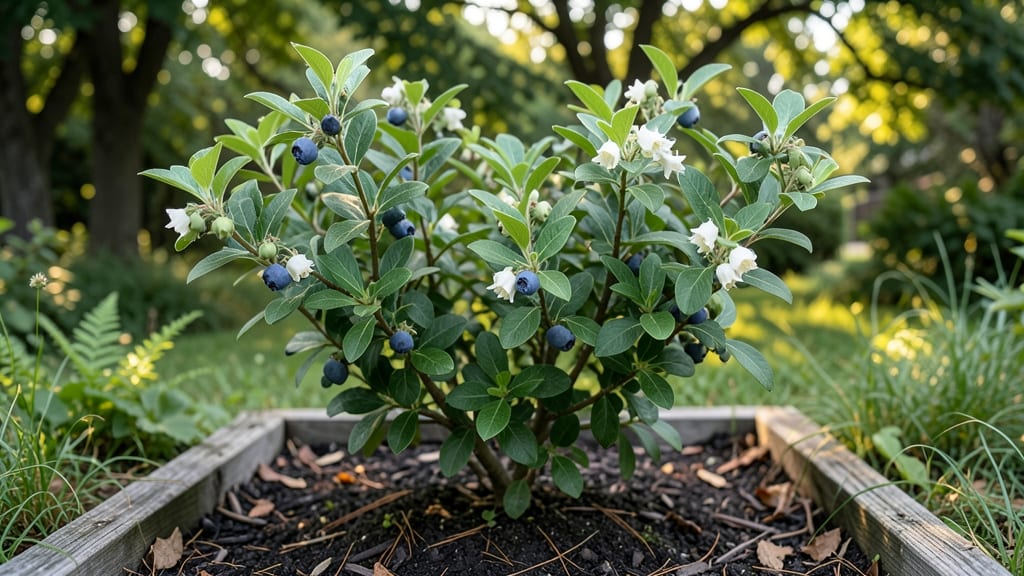
Stages of Blueberry Flower to Fruit: Pollination Timeline & Development Stages Explained

Flowers

Stages of Blueberry Flower to Fruit: Pollination Timeline & Development Stages Explained

Blueberry flowers transform into fruit through distinct stages, each requiring precise conditions to succeed—from bloom to harvest in just 90 days.

Did you know blueberries turn from delicate blossoms to juicy berries in 60-90 days—but only if pollination and growing conditions are perfect? Understanding each stage of blueberry flower to fruit development is the key to a bountiful harvest.

In USDA Zone 6a, where most gardeners grow these shrubs, timing is everything. A late frost can wipe out flowers, while poor pollination leaves you with empty clusters.

I’ll walk you through the exact visual cues—from bud formation to fruit ripening—and the environmental factors that make or break your crop.

By the end, you’ll know when to expect fruit set, how to troubleshoot common failures, and the pro tips to maximize your blueberry yield every season.

Blueberry flower to fruit development stages: a week-by-week timeline

Watching blueberry flowers transform into ripe fruit is one of the most rewarding parts of growing these acid-loving shrubs. The journey from pink buds to juicy berries takes about 60-90 days, but each stage requires specific conditions to succeed.

Understanding these developmental milestones helps you anticipate needs and troubleshoot issues before they affect your harvest.

Blueberries typically bloom in late spring, with the entire process unfolding over 8-12 weeks. The key stages—bud formation, pollination, fruit set, and ripening—each demand attention to temperature, moisture, and pollinators.

For example, a single late frost during bloom can wipe out an entire season's potential fruit. Let’s break down what happens week by week so you can nurture your bushes through each critical phase.

Week Stage Visual Cues Key Actions Critical Factors
1-2 Bud Formation Small green buds appear on last year's wood; no color yet. Monitor for late frost; prune dead wood. Temperature: 40-50°F; moisture: well-drained soil.
3 Flower Opening Pink buds open into white or pale pink flowers; sweet fragrance. Attract pollinators (bees, hummingbirds); avoid pesticides. Temperature: 55-75°F; sunlight: 6+ hours/day.
4 Pollination Flowers wilt slightly; small green berries (size of a pea) form. Hand-pollinate if no bees (gently shake branches). Humidity: 50-70%; watering: consistent moisture.
5-6 Fruit Set Berries swell rapidly; turn pinkish-red. Fertilize with balanced NPK (10-10-10); mulch to retain moisture. Nutrients: high potassium; pH: 4.5-5.5.
7-8 Color Change Berries darken to deep blue/purple; bloom appears (powdery coating). Reduce watering slightly to concentrate flavor. Sunlight: full sun; temperature: 70-85°F.
9-10 Ripening Berries soften; detach easily from stem; sweet aroma. Harvest daily to prevent birds from eating

Critical factors that affect blueberry flower to fruit transition

Blueberry flowers are delicate, and their transition to fruit depends on precise environmental conditions. Even with perfect blooms, temperature swings, poor pollination, or soil imbalances can halt fruit development.

I’ve seen thousands of flowers bloom only to drop off without ever forming berries—and it’s almost always due to one of these three critical factors.

The most common failure point? Pollination. Blueberries rely on bees and wind to transfer pollen. Without enough pollinators or ideal weather, flowers simply won’t set fruit.

Even if pollination succeeds, moisture stress or nutrient deficiencies can cause early fruit drop. Let’s break down what you need to control for a successful harvest.

⚠️ Top 3 Reasons Blueberry Flowers Fail to Fruit

  • Late frost (below 28°F) kills blooms before pollination
  • Poor pollination (lack of bees or wind) leaves empty flowers
  • Soil pH above 6.0 blocks nutrient uptake, stunting fruit growth

🌱 Pro Tip: Monitor your local frost dates and protect blooms with frost cloth if needed.

First, let’s talk temperature. Blueberries bloom in early spring, often when nights are still chilly. If temperatures drop below 28°F during bloom, flowers won’t open or will die. Even mild frosts (32-36°F) can damage pollen, reducing pollination success.

In USDA Zone 6a, I’ve had years where half my blooms were lost to late frosts—always check your extended forecast during bloom season.

Next, soil pH is non-negotiable. Blueberries thrive in acidic soil (pH 4.5-5.5). If your soil is too alkaline (above 6.0), the plant can’t absorb essential nutrients like iron and phosphorus, leading to poor fruit set.

Test your soil in early spring—if it’s off, amend with sulfur or peat moss before buds form. I once had a full bush of flowers that never fruited because the soil pH was 7.2!

Watering plays a surprisingly critical role too. Blueberries need consistent moisture during bloom and fruit set—too little causes flowers to drop, while too much can lead to fungal diseases like botrytis.

Aim for 1-2 inches of water per week, delivered deeply at the base (never overhead). In my garden, I use drip irrigation to keep moisture levels steady without wetting the leaves.

Finally, pollinators are the unsung heroes of blueberry success. While some varieties are self-pollinating, they produce far more fruit with help from bees and hummingbirds. Plant native pollinator-friendly flowers like lavender or borage nearby to attract them.

If you’re in an area with few pollinators, hand-pollinate by gently shaking branches during peak bloom hours (usually mid-morning).

Troubleshooting failures starts with observation. If you see dropped flowers, check for frost damage or drought stress. If flowers form but fruit stays tiny, your soil may lack phosphorus or potassium.

And if berries crack or rot, you’re likely overwatering. By addressing these factors early, you’ll turn every bloom into a berry—not just a few.

★★★★★5.0(6 reviews)
Categories Flowers