
Flowers
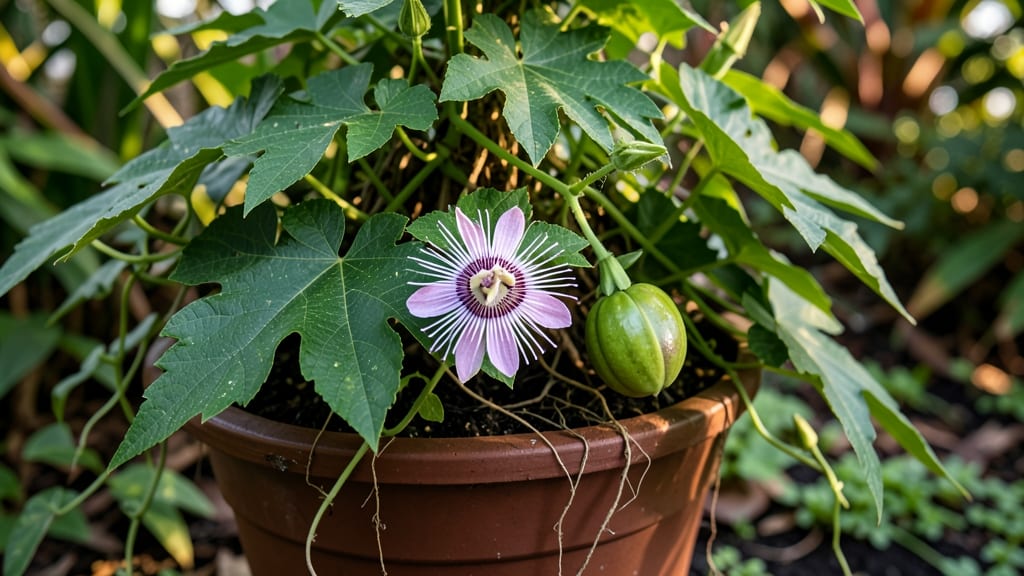
Transforming a passionfruit flower into fruit is all about timing, pollination, and a few key growing tricks that most gardeners miss.
Picture this: your vine is covered in those stunning, exotic-looking flowers 🍈, but month after month, you’re left with nothing but empty stems. The problem isn’t just the flowers—it’s knowing when and how to trigger that critical next step.
Without the right cues, those blooms fade without ever becoming fruit, leaving you wondering what went wrong.
Here’s the good news: with the right techniques, you can boost your fruit set by 50% or more. From hand-pollination hacks to tweaking your vine’s environment, I’ll walk you through every stage—from the moment a flower opens to the day you harvest that juicy, tropical treat.
Skip the guesswork and learn the exact steps to turn those flowers into a bountiful harvest, no matter where you’re growing in zones 10-12 (or 9b with winter protection).
How passionfruit flowers develop into fruit: the science of pollination
Passionfruit vines produce some of the most dramatic and intricate flowers in the garden, but without proper pollination, those stunning blooms never turn into fruit.
The transformation from flower to fruit is a 24-hour window of biological precision, where every factor—from weather conditions to pollinator activity—plays a critical role. Understanding this process helps you troubleshoot why some flowers drop without fruiting, even when they look healthy.
Each passionfruit flower contains both male and female reproductive parts, but they’re physically separated. The flower’s corona (crown) hides the stamens (male) and stigma (female) deep inside, making natural pollination a delicate dance.
Bees, hummingbirds, and even wind can transfer pollen, but the flower’s self-pollination mechanism is unreliable without help. This is why many gardeners miss the critical pollination window and end up with empty vines.
| Stage | Key Features | Pollination Window | Fruit Development Signs |
|---|---|---|---|
| Flower Opening | Bright purple/blue corona, 5 petals, sweet fragrance | Day 1 (morning) | Stamens release pollen at dawn |
| Pollination Peak | Stigma becomes sticky, corona wilts slightly | Day 1 (midday) | Bees/hummingbirds transfer pollen to stigma |
| Fertilization | Flower closes, petals drop by evening | Day 1 (afternoon) | Ovules begin swelling within 24 hours |
| Fruit Initiation | Green bump forms where flower was | Day 3-5 | Fruit swells rapidly if pollinated |
| Failed Pollination | Flower dries and falls off without swelling | Never | No fruit development beyond tiny bump |
The 24-hour window after a passionfruit flower opens is your only chance to ensure pollination. During this time, the flower’s stamens release pollen in the morning, and the stigma must receive pollen before the flower closes by evening.
If no pollination occurs, the flower wilts and drops within 48 hours, leaving no trace of a potential fruit. This is why even healthy-looking vines with dozens of flowers might produce few or no fruits—they missed the pollination window.
Bees are the primary pollinators for passionfruit, but they’re not always reliable. Hummingbirds and even wind can help, but these methods are less efficient than manual intervention. In areas with low bee activity or during cool, rainy weather, flowers often fail to set fruit. This is where gardeners must step in with hand-pollination techniques to guarantee fruit development.
One of the biggest misconceptions is that a healthy-looking flower will automatically produce fruit. In reality, only 30-50% of flowers naturally set fruit without assistance, even under ideal conditions. The rest drop due to poor pollination, environmental stress, or nutrient deficiencies.
By understanding the flower’s anatomy and the timing of pollination, you can dramatically increase your vine’s fruit yield.
Temperature also plays a critical role. Passionfruit flowers won’t pollinate well below 65°F (18°C) or above 90°F (32°C).
If your vine is in a cooler climate, like USDA Zone 9b, you may need to protect flowers from chilly mornings or use row covers to maintain optimal pollination conditions. Even a single cold night can disrupt the process and cause flowers to abort.
If you’re observing dropped flowers but no fruit, check for these red flags: no visible swelling at the flower’s base, wilted petals within 24 hours, or no bees/hummingbirds visiting your vine.
These signs indicate a pollination failure. The good news? With the right techniques—like hand-pollination or attracting more pollinators—you can turn those empty blooms into a bountiful harvest.
Next, we’ll explore 5 proven methods to boost your passionfruit’s flower-to-fruit conversion rate, including DIY pollination tools and pollinator-friendly garden strategies that work even in urban settings. The secret to a fruitful
5 Proven methods to boost passionfruit flower to fruit conversion
If your passionfruit vine is covered in flowers but barely sets fruit, you're not alone. The key lies in understanding pollination triggers and giving your plants the right conditions to convert those blooms into harvestable fruit.
Passionfruit flowers have a 24-hour window for successful pollination, after which they drop without fruiting. Without intervention, up to 70% of flowers may fail to set fruit—even with healthy vines.
Don't let those beautiful blooms go to waste! With these five proven methods, you can dramatically increase your fruit set. Whether you're dealing with low pollinator activity, environmental stressors, or simply missed timing, these techniques will help you maximize your harvest.
Let's dive into the actionable steps that have worked for gardeners in zones 10-12 (and 9b with winter protection).
Use a soft brush or cotton swab to transfer pollen from male to female flowers (look for the 3-stigma crown). Do this within 6 hours of opening for best results.
Plant bee-friendly flowers nearby like basil, marigolds, or sunflowers. Avoid pesticides during peak pollination hours (9 AM-3 PM).
Deep water 2-3x weekly (1-2 gallons per plant). Drought stress causes flowers to drop before pollination.
Use a 7-9-5 NPK blend every 4-6 weeks during flowering. Potassium deficiency weakens fruit development.
Remove crowded growth to improve sun exposure. Shady areas reduce pollinator visits and fruit set.
Start with hand-pollination if you notice flowers opening without bees visiting. I recommend doing this every morning for 7 days after your first bloom appears—this gives you the best chance to catch that critical 24-hour window.
Use a soft paintbrush or cotton swab to gently transfer pollen from male flowers (smaller, with 5 petals) to female flowers (larger, with a 3-stigma crown).
For long-term success, focus on creating an ideal pollinator habitat. Plant native flowers like basil, marigolds, or sunflowers within 50 feet of your passionfruit vine. These plants attract bees and butterflies, which are the primary pollinators for passionfruit.
Avoid using neonicotinoids or broad-spectrum pesticides during the flowering season, as these can harm pollinators and reduce your fruit set by up to 40%.
Your passionfruit vine also needs consistent moisture to support fruit development. Water deeply 2-3 times per week, providing 1-2 gallons per plant each time. Drought stress causes flowers to drop before they can be pollinated, so mulch around the base with organic matter to retain soil moisture.
In containers, check moisture daily—potted plants dry out 3x faster than in-ground vines.
Finally, don't overlook the role of nutrients in fruit development. A balanced fertilizer with high potassium (like a 7-9-5 blend) encourages stronger fruit set. Apply this every 4-6 weeks during the growing season, and always water thoroughly after fertilizing to prevent root burn.
If your soil is nutrient-poor, consider adding compost or worm castings to improve overall plant health.
With these methods, you'll see a noticeable improvement in your flower-to-fruit conversion rate. Keep track of your progress by marking pollinated flowers with a small flag—this helps you identify which techniques are working best in your garden. Happy growing! 🌱