
Size
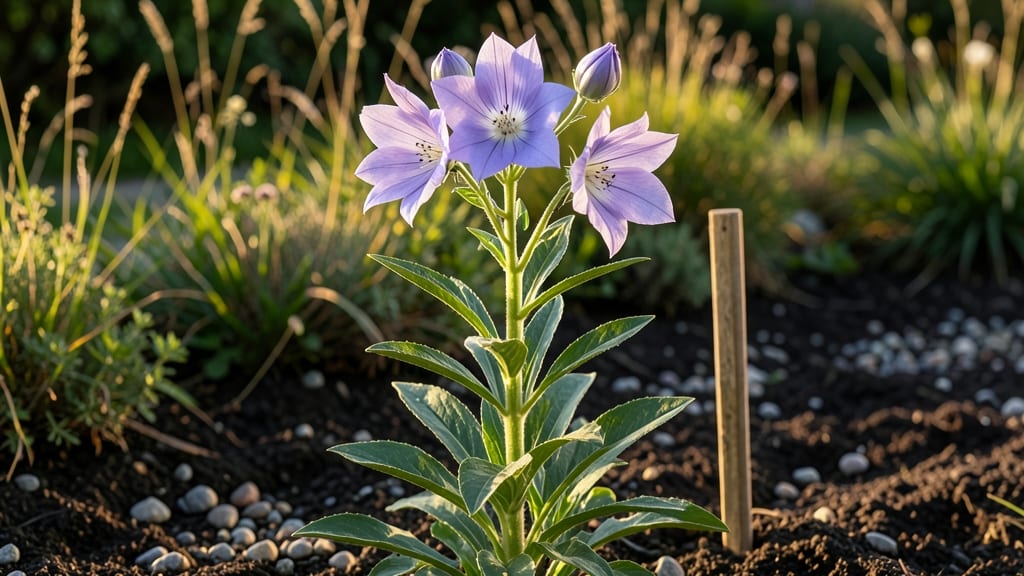
Balloon flowers typically grow between 1 and 3 feet tall, though some varieties can reach nearly 4 feet with proper care and sunlight.
If you’ve ever admired the delicate, globe-shaped blooms of balloon flowers (Platycodon grandiflorus) but wondered how tall they’ll reach in your garden, you’re not alone—many gardeners struggle with their growth habits, especially when planning companion plants or trellises.
Their height depends on factors like sunlight, soil quality, and even the specific cultivar you choose. For example, 'Blue Moon' stays compact at about 18 inches, while 'Mariesii' can stretch toward 3 feet or more.
In this guide, you’ll learn how to encourage strong stalks, when to stake them for support, and how spacing affects their overall growth—so you can create a stunning, well-balanced garden display.


Balloon flower height range: how tall they grow under ideal conditions
Balloon flowers (Platycodon grandiflorus) are beloved for their striking, globe-shaped blooms that emerge from swollen buds. But how tall do they grow? The answer varies widely—from compact 12-inch varieties to towering 36-inch giants—depending on the cultivar and growing conditions.
Understanding these height ranges helps you plan garden layouts, choose companion plants, and provide the right support for sturdy stalks.
Most balloon flower varieties fall between 18 and 30 inches at maturity, but their growth habits can shift dramatically based on sunlight, soil fertility, and spacing.
For example, a 'Hortensia' cultivar might stay around 24 inches in partial shade, while the same plant in full sun could stretch to 36 inches. This flexibility makes them adaptable to borders, containers, or even cottage garden backdrops.
Here’s a quick breakdown of how sunlight exposure and soil conditions influence their height:
| Cultivar Type | Mature Height (inches) | Sunlight Needs | Soil pH | Spacing |
|---|---|---|---|---|
| Dwarf Varieties (e.g., 'Little Bell') | 12–18 | Full sun to partial shade | 6.0–7.0 | 12–18 inches apart |
| Standard Varieties (e.g., 'Blue Moon') | 24–30 | Full sun (6+ hours) | 6.0–7.5 | 18–24 inches apart |
| Tall Varieties (e.g., 'Mariesii') | 30–36 | Full sun (6+ hours) | 6.5–7.5 | 24–30 inches apart |
Height can vary by 6–12 inches based on growing conditions.
The soil pH also plays a role in height. Balloon flowers thrive in slightly acidic to neutral soil (pH 6.0–7.5). If your soil is too alkaline (pH >7.5), the plants may grow 10–15% shorter and produce fewer blooms.
Amending the soil with peat moss or sulfur can help achieve optimal growth.
In container gardens, balloon flowers typically stay 10–15% shorter than their in-ground counterparts due to root restriction. Choose larger pots (at least 12-inch diameter) to encourage taller growth. For example, a 'Hortensia' cultivar might reach 20 inches in a container instead of 24 inches in the ground.
When planning your garden layout, consider the mature height of balloon flowers alongside their spreading habit. While they don’t spread aggressively, their bushy foliage can reach 12–18 inches wide.
Pairing them with tall perennials like delphiniums or hollyhocks creates a stunning vertical display, while shorter companions like ajuga or heuchera highlight their blooms at eye level.
If you’re growing balloon flowers in windy areas, their height can become a liability. Without support, taller varieties may flop over or develop weak stems. Installing pea stakes or cages early in the season helps maintain their upright form and encourages stronger growth.
We’ve found that staking 'Mariesii' at 12 inches prevents flopping while still allowing natural flexibility.
For gardeners in cooler climates (USDA Zones 3–7), balloon flowers may grow 5–10% taller due to longer growing seasons. In contrast, those in hotter zones (8–9) might see slightly reduced height unless provided with afternoon shade.
Mulching with organic matter helps retain moisture and supports consistent growth throughout the season.
Remember, the key to maximizing height is balanced care. Provide well-draining soil, consistent moisture, and adequate sunlight, and your balloon flowers will reward you with their signature globe-shaped blooms at their fullest potential. With the right conditions, even dwarf varieties can surprise you with extra height!
Do balloon flowers need staking? When and how to support their stalks
Balloon flowers (Platycodon grandiflorus) typically grow upright, but their 18-inch to 3-foot stalks can flop in windy conditions or crowded garden beds. Without support, their delicate blooms may droop, reducing their visual impact. The key to preventing this is understanding when and how to provide support.
Most gardeners only need to stake balloon flowers when they reach 12-18 inches tall, especially if planted in exposed areas or alongside taller plants.
Their natural bushy growth habit means they rarely need heavy-duty support, but a little help goes a long way in maintaining their neat, vertical appearance.
⚠️ WARNING: Overcrowding or poor soil drainage can stunt growth and increase the need for staking. Balloon flowers planted too closely together (less than 12 inches apart) will compete for nutrients, leading to weaker stems that require more frequent support.
Varieties like 'Mariesii' can reach 36 inches—these taller cultivars benefit most from early staking. Shorter varieties (18 inches) may only need support in windy climates or when planted near pathways where accidental brushing occurs.
For staking, I recommend lightweight materials like bamboo stakes or pea cages—both provide enough support without damaging the thin stems. Insert stakes 2-3 inches deep into the soil at planting time, then gently tie the main stems with soft garden twine as they grow.
Avoid metal cages, which can restrict root expansion over time.
In crowded garden beds, prune surrounding plants to give balloon flowers at least 12-18 inches of space. This improves airflow and reduces the need for staking.
If you notice leggy growth (a sign of insufficient light), move plants to a sunnier spot and add support immediately to prevent permanent flopping.
Water consistently after staking to encourage strong root development. Deep watering 2-3 times per week helps stems thicken naturally, reducing the need for additional support. Mulch around the base with 2-3 inches of organic matter to retain moisture and stabilize the plant.
With proper staking and care, your balloon flowers will maintain their elegant, upright form throughout the blooming season, creating a stunning vertical display in your garden. The right support turns potential flopping into a structured, eye-catching feature—worth the minimal effort! 🌷