
Watering
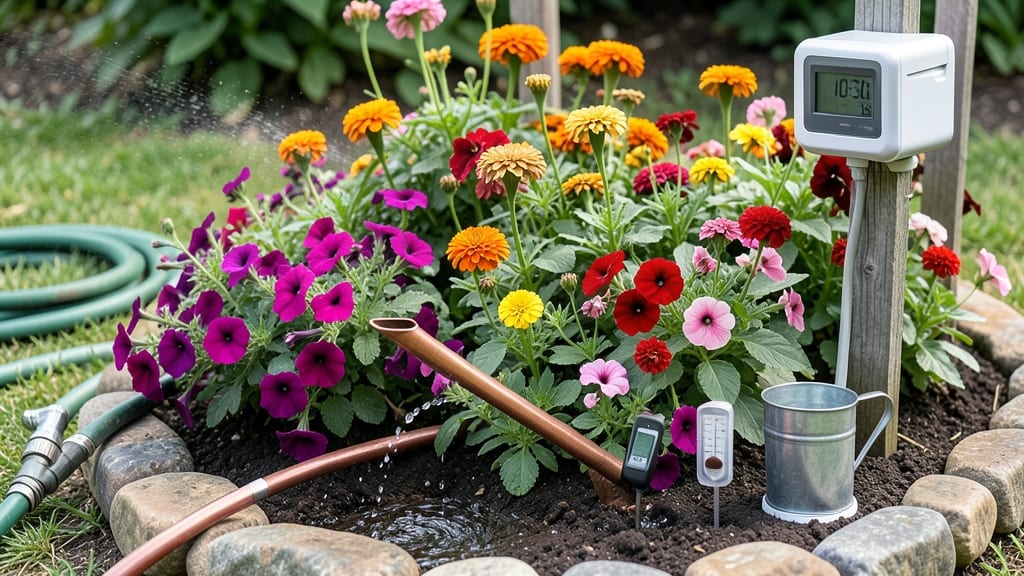
Watering outdoor flowers the right way means timing it every 1-3 days—but that schedule changes with the season, soil, and even the type of bloom you’re growing.
Picture this: You’ve just planted your favorite 🌸 outdoor flowers, and you’re eager to see them thrive. But overwatering drowns roots, while skipping watering sends them wilting faster than you can say “deadhead.” The key? A watering routine that adapts to heat, rain, and your garden’s unique needs.
In this guide, I’ll break down exactly how often to water your flowers—whether you’re in a dry climate or a rainy one—and what signs to watch for to keep them blooming all season. No more guesswork, just lush, happy plants.
You’ll learn the best times of day to water, how mulch can save you time, and why a quick soil check is the game-changer for avoiding over- or under-watering. Let’s get those flowers drinking just enough!
Seasonal watering schedule for outdoor flowers by climate zone
Watering your outdoor flowers isn't a one-size-fits-all task—it depends on climate zone, seasonal demands, and even the type of flower you're growing. In USDA zones 3-10, water needs can vary dramatically from dry desert climates to humid coastal regions.
Understanding these differences ensures your flowers thrive without wasting water or risking root rot.
For example, drought-resistant varieties like lavender and succulents need far less water than thirsty annuals like petunias or impatiens. Meanwhile, summer heat in zones 7-10 often demands daily watering, while winter dormancy in zones 3-5 may require only bi-weekly checks.
Let's break down the ideal schedule to keep your garden blooming beautifully all year.
Pro Tip: Always water deeply (1-2 inches down) rather than surface-watering. This encourages deep root growth and reduces stress on your plants during heatwaves. Use a moisture meter or the finger test to check soil conditions before watering—stick your finger 1-2 inches into the soil; if it feels dry, it's time to water.
In USDA zones 3-5, spring watering should focus on thawing soil—avoid overwatering, which can lead to compaction or fungal diseases. Start with shallow waterings to wake up roots, then gradually increase depth as temperatures rise.
For perennials like coneflowers or daylilies, reduce watering in late summer to encourage dormancy and prepare for winter.
For zones 6-8, summer is the most critical time for consistent watering. Morning watering (before 10 AM) minimizes evaporation and pest issues like slugs.
Use drip irrigation or soaker hoses to deliver water directly to the root zone, reducing waste. Mulch heavily (2-3 inches) with straw or shredded leaves to retain moisture and regulate soil temperature.
In zones 9-10, where summers are long and hot,
5 Signs your flowers need water (and when to adjust)
Even the most experienced gardeners sometimes struggle to strike the perfect balance with watering. Your outdoor flowers might be silently screaming for help—or drowning in too much love—without you realizing it.
The key is learning to read their subtle cues, like wilted petals or yellowing leaves, before damage becomes permanent. I’ve seen firsthand how a simple adjustment in watering can revive a struggling plant in just days.
Most flowers thrive on consistent moisture, but the line between hydration and overwatering is thinner than you’d think. For example, marigolds and zinnias wilt dramatically when thirsty, while petunias may develop mushy stems if overwatered.
Understanding these signs helps you correct mistakes before they become costly. Let’s break down the five unmistakable signals your flowers are sending—and how to respond.
💧 How to Adjust Watering for Outdoor Flowers
- 1. Check soil moisture by sticking your finger 1-2 inches deep. If dry, water deeply until it’s moist 6 inches down.
- 2. Water in the morning (before 10 AM) to reduce evaporation and fungal risks. Avoid evening watering.
- 3. Mulch around plants to retain moisture and regulate soil temperature, cutting water needs by 30%.
- 4. Group thirsty plants (like geraniums) together and drought-tolerant ones (like lavender) separately.
- 5. Adjust seasonally: Water daily in summer, every 2-3 days in spring/fall, and bi-weekly in winter.
First on your list: wilting leaves. While wilting often signals thirst, it can also mean your flowers are stressed from too much sun or root-bound. To test, gently tug on a leaf—if it snaps easily, your plant is parched.
Water thoroughly, then monitor for 24 hours. If leaves perk up, you’ve nailed the issue. But if they stay limp, check for pests like aphids or fungal infections, which can mimic dehydration.
Next, watch for yellowing leaves, a classic sign of overwatering or nutrient deficiency. Unlike wilting, yellowing often starts at the leaf edges or between veins. Overwatered plants may also develop grayish mold or a foul smell.
To fix this, let the soil dry out completely between waterings and improve drainage by amending soil with perlite or compost. For nutrient issues, feed with a balanced fertilizer (like 10-10-10) every 4-6 weeks during the growing season.
Don’t overlook soil texture—it’s your best indicator of moisture levels. Healthy soil should crumble slightly when squeezed but hold its shape. If it falls apart like dust, your flowers need water. Conversely, if it’s clumpy and sticky, you’re overdoing it.
Pro tip: Use a moisture meter or a simple wooden skewer to check soil moisture without guessing. For container plants, lift the pot—if it’s light as a feather, it’s time to water.
Another red flag? Stunted growth or dropped buds. Flowers like roses and hydrangeas often drop buds when they’re either too dry or too wet. To prevent this, maintain even moisture and avoid letting soil dry out completely.
For blooming plants, consider a slow-release fertilizer to support flower production. And remember: Less frequent, deeper watering encourages stronger roots, which means more vibrant blooms.
Finally, keep an eye on new growth. Healthy flowers produce fresh leaves and stems regularly. If new growth is small, pale, or mushy, your watering routine is off. Adjust by watering less frequently but more deeply, especially in containers, which dry out faster.
For perennials, reduce watering in late summer to harden them off before winter. With these signs in mind, you’ll never second-guess your watering again—and your garden will thank you with bold, healthy blooms all season long. 🌸