
Propagation
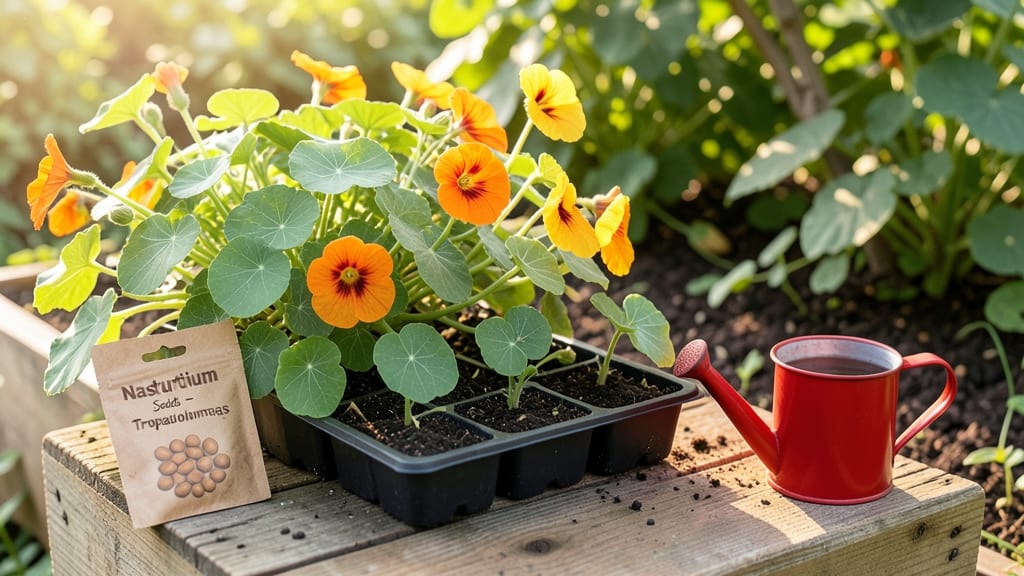
Nasturtiums take about 6 to 8 weeks to flower from seed when grown in ideal conditions—though some speedy varieties can bloom in as little as 4 weeks with the right care.
If you’ve ever waited weeks for those bright 🌸 blooms to appear, only to see slow growth, you’re not alone. The secret isn’t just patience—it’s knowing how sunlight, soil, and temperature can speed up (or slow down) the process.
Most gardeners assume nasturtiums are a low-maintenance plant, but a few simple tricks—like thinning seedlings early or choosing the fastest varieties—can shave weeks off your wait time.
In this guide, I’ll break down the exact timeline, the best varieties for quick blooms, and the care hacks that’ll have your nasturtiums flowering faster than ever.


Nasturtium flowering timeline: from seed to blooms in weeks (not months)
If you've ever planted nasturtium seeds hoping for quick color, you might feel disappointed when blooms take longer than expected. But here's the good news: with the right conditions, these fast-growing annuals can produce vibrant flowers in just 30-60 days from seed—far sooner than many gardeners realize.
The key lies in understanding each growth stage and optimizing conditions for speed.
The nasturtium flowering timeline begins with germination, where seeds typically sprout in 7-14 days under ideal conditions. From there, seedlings develop true leaves, and with proper care, you'll see buds forming in as little as 4-6 weeks.
The entire process from seed to first bloom can happen in under 8 weeks for the fastest varieties.
Temperature plays a critical role in speeding up the process. Nasturtiums thrive in 60-75°F soil temperatures, with germination slowing below 50°F. If you're planting in cooler climates, consider using black plastic mulch or starting seeds indoors 4-6 weeks before your last frost date to jumpstart growth.
Light conditions also impact flowering speed. While nasturtiums tolerate partial shade, they bloom most quickly with 6+ hours of direct sunlight daily. In shadier conditions, expect 2-3 weeks longer to reach the bud formation stage.
My personal trick is to place containers on a south-facing windowsill or use a small grow light for 12-14 hours daily during cloudy periods.
Soil quality affects more than just speed—it determines whether your nasturtiums will even reach the flowering stage. These plants prefer well-draining, slightly acidic soil (pH 5.5-6.5). Amending heavy clay with compost or perlite can cut germination time by 30% while preventing rot.
I always mix in 1 part compost to 3 parts native soil for best results.
Watering habits can make or break your flowering timeline. While nasturtiums are drought-tolerant once established, seedlings need consistent moisture to avoid stress delays. Water deeply 2-3 times weekly during dry spells, focusing on the soil base rather than leaves.
Overhead watering can spread fungal diseases that slow growth by up to 10 days.
One often-overlooked factor is seed selection. Not all nasturtium varieties bloom at the same speed. Dwarf varieties like 'Tumbling Waters' often flower 2-3 weeks faster than standard types, while trailing varieties may take slightly longer. Always check seed packets for days-to-maturity estimates—some even specify "early blooming" traits.
To maximize speed, I recommend thinning seedlings to 6-12 inches apart once they reach 2 inches tall. This reduces competition for nutrients, allowing each plant to allocate energy toward bud formation instead of leafy growth. Just be gentle—nasturtiums have delicate stems that bruise easily.
Finally, don't underestimate the power of regular deadheading. Removing spent blooms encourages continuous flowering for 3-4 weeks longer than non-deadheaded plants. I make it a habit to snip off faded flowers every 3-4 days during peak bloom season, which also improves air circulation and reduces disease risk.
Fastest-flowering nasturtium varieties that bloom in under 4 weeks
If you're craving quick color in your garden, nasturtiums are the perfect choice. Some varieties can produce vibrant blooms in as little as 3 weeks from seed—far faster than the average 6-8 weeks.
The secret lies in selecting fast-growing cultivars and providing ideal conditions. Let's explore the top performers that will have your garden bursting with edible beauty in record time.
Not all nasturtiums bloom at the same speed. While standard varieties may take 6-8 weeks to flower, these elite performers cut that timeline nearly in half. The key factors are compact growth habits, quick germination, and aggressive flowering tendencies.
For best results, plant these varieties in well-draining soil with full sun exposure (6+ hours daily) and maintain consistent moisture without overwatering.
🌱 Bloom Speed Comparison
For the fastest results, start with 'Alaska Mix'—this Arctic-adapted variety thrives in cooler temperatures and often blooms in just 3 weeks. Its compact trailing habit (6-12 inches) makes it perfect for containers, window boxes, or edging garden beds.
The bright orange and yellow flowers are not only stunning but also edible, adding a peppery kick to salads.
Next up is 'Jewel Mix', a dwarf variety that produces clustered blooms in 25 days. Its 12-inch height and spreading growth create a lush carpet of color. This variety is particularly drought-tolerant once established, making it ideal for low-maintenance gardens.
The flowers come in a rainbow of colors including red, orange, yellow, and cream, perfect for pollinator gardens.
Don't overlook 'Empress of India', the queen of large, dramatic blooms. While it takes slightly longer (28 days) to flower, the 5-inch orange flowers are worth the wait. This variety grows 2-3 feet tall with vigorous vining, making it ideal for trellises or tall containers.
For maximum speed, plant seeds 1/2 inch deep in warm soil (70°F+) and keep them consistently moist until germination.
Pro tip: To further accelerate blooming, thin seedlings to 6-8 inches apart once they reach 2 inches tall. This reduces competition and encourages faster growth.
Also, consider pre-sprouting seeds indoors 5-7 days before your last frost date—just place seeds on a damp paper towel in a warm spot until sprouts appear, then transplant outdoors.
For container gardens, mix these varieties with bush beans or lettuce—nasturtiums act as natural pest deterrents while adding color and edible blooms. Remember, the key to fast flowering is consistency: full sun, well-draining soil, and regular watering (but never soggy roots).
With these varieties and care tips, you'll have edible flowers in your garden in just a few weeks! 🌸