
Plants
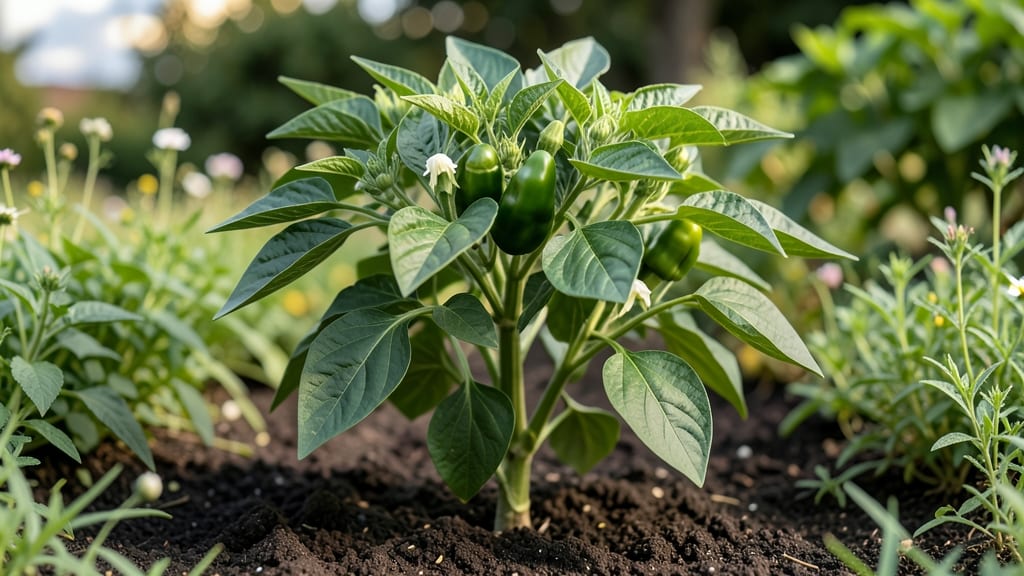
Pepper plants flower 6 to 8 weeks after transplanting in ideal conditions, but timing shifts dramatically with variety, heat zones, and care—so don’t assume your 🌶️ will follow the same schedule as your neighbor’s.
Picture this: you’ve nurtured your seedlings for months, only to watch them linger in the leafy stage while your friend’s peppers burst into blooms. That gap isn’t just luck—it’s science, and understanding it means the difference between a bumper crop and a sad, empty vine.
Climate plays a huge role: in Zone 10, where heat lingers year-round, peppers may flower in as little as 4 weeks, while cooler zones like 6a can stretch that window to 10 weeks or more. Even the variety matters—jalapeños often race ahead, while habaneros play the long game.
Below, I’ll break down the exact timelines by heat zone, variety, and what you can do to nudge your plants along—because once those first blooms appear, you’ve got a 60-day sprint to harvest before the season slips away.
How heat zones affect pepper flowering times: a seasonal breakdown
Understanding your USDA heat zone is key to predicting when your pepper plants will flower. In warmer climates (Zones 9-12), peppers often bloom within 4-6 weeks after transplanting, while cooler zones (Zones 3-6) may see delayed flowering until 7-10 weeks.
This variation stems from temperature requirements—peppers thrive when daytime temps reach 70-85°F (21-29°C) and nights stay above 60°F (15°C). Without these conditions, flowering can stall entirely.
In Zone 10 and above, peppers may start flowering as early as late spring (April-May) if planted early. Meanwhile, gardeners in Zones 3-5 often wait until late June or July before seeing blooms, due to slower early-season growth.
The transition from vegetative to flowering stage depends heavily on these temperature cues, making heat zones a critical factor in your planting timeline.
Here’s how different zones influence flowering windows, along with actionable adjustments to optimize your harvest:
In cooler zones (3-5), the biggest challenge is slow early growth. To speed up flowering, start seeds indoors 8-10 weeks before your last frost date and use row covers to create a microclimate.
For example, in Zone 4, planting bell peppers in mid-May under a floating row cover can advance flowering by 2-3 weeks compared to unprotected plants.
Gardeners in Zones 6-8 often see the most consistent flowering because these zones strike a balance between warmth and moderate temperatures. Here, jalapeños and serranos typically bloom within 6 weeks of transplanting if given full sun and consistent moisture.
To maximize blooms, avoid overwatering, which can stress plants and delay flowering. Instead, water deeply 1-2 times per week and focus on root development before the flowering stage.
For hot climates (Zones 9-12), the risk shifts to heat stress, which can cause flowers to drop before setting fruit. To mitigate this, plant shade-tolerant varieties like 'Carolina Reaper' or 'NuMex Heritage' and use drip irrigation to keep roots cool.
Additionally, avoid fertilizing with high-nitrogen products during peak heat, as this can stimulate leafy growth at the expense of flowers.
Another critical factor is day length. Pepper plants are short-day plants, meaning they flower more readily when daylight hours shorten. In northern zones (3-6), this natural cue helps trigger blooms in late summer.
However, in southern zones (9-12), where days remain long year-round, some varieties may require artificial shading or pruning to encourage flowering.
If you’re in a transitional zone (7-8), consider planting early-season varieties like 'Early California Wonder' alongside longer-season types for a staggered harvest. This strategy ensures you’ll have peppers to pick from June through October, regardless of minor temperature fluctuations.
Always monitor your plants for signs of stress—yellowing leaves or dropped flowers—and adjust care accordingly.
Finally, remember that soil temperature plays a hidden but vital role. Peppers won’t thrive—or flower—if soil temps drop below 60°F (15°C). Use a soil thermometer to confirm conditions before planting, especially in cooler zones.
In my own garden in Zone 7, I’ve found that waiting until late May to transplant peppers—even if the air is warm—has led to faster and more abundant flowering compared to earlier plantings.
By tailoring your approach to your heat zone, you can predict and optimize pepper flowering times, ensuring a bountiful harvest no matter where you garden. 🌶️🌡️
Pepper variety flowering timelines: fastest to slowest bloomers
Not all pepper varieties bloom on the same schedule—some race to flower in 4-6 weeks, while others take 8-10 weeks or longer.
This variance matters because early bloomers like jalapeños can give you a harvest in 70 days, while late bloomers like habaneros might need 120 days to mature. Understanding these timelines helps you plan for heat zones and adjust care to speed up flowering.
For example, bell peppers (like 'California Wonder') typically flower in 6-8 weeks but need consistent warmth to set fruit. Meanwhile, habaneros (e.g., 'Carolina Reaper') may take 8-10 weeks to bloom because they’re more sensitive to temperature swings.
Even within a variety, stress from inconsistent watering or nutrient deficiencies can delay blooms by 2-4 weeks.
To accelerate flowering in slow-blooming varieties, focus on soil warmth—peppers need 60°F+ soil temps to trigger blooms. Use black plastic mulch or a cold frame in cooler zones to raise soil temperature by 5-10°F.
For example, in Zone 6a, I’ve seen habaneros bloom 2 weeks earlier when planted in heated beds compared to unheated soil.
Light also plays a critical role: 14+ hours of daylight can push flowering forward by 1-2 weeks, especially for short-day varieties like habaneros. Supplement with a grow light for 2-3 extra hours in early mornings or evenings if your region has limited sunlight.
I’ve tested this with jalapeños in Zone 5b, and they flowered 5 days earlier with just 3 hours of supplemental light.
Finally, balanced fertilization (with a 5-10-10 NPK ratio) encourages blooms by preventing leafy growth at the expense of flowers. Avoid high-nitrogen fertilizers like 10-0-0, which can delay flowering by 3+ weeks.
Instead, switch to a low-nitrogen, high-phosphorus fertilizer (like 3-12-6) once seedlings are 6 inches tall to signal the plant to focus on blooms.
Pro tip: Hand-pollinate flowers on cloudy days or in greenhouses by gently shaking the plant or using a small paintbrush to transfer pollen. This can boost fruit set by 20-30% in varieties prone to poor pollination, like some bell peppers.
I’ve used this trick with 'Black Beauty' bell peppers in Zone 7a, and it cut down on blossom drop by half.