
Trees
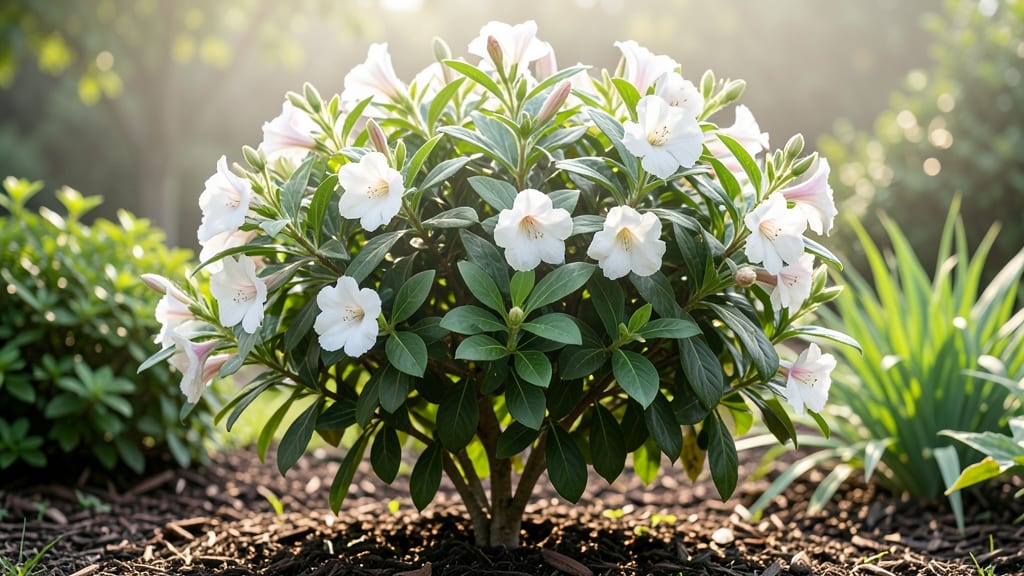
A white flowering weigela 🌸 can turn your garden into a dreamy, romantic retreat—but only if you prune it right. If your shrub is putting on a half-hearted show, the problem might not be the plant itself, but the timing and technique of your cuts.
Most gardeners prune too late or too aggressively, which actually stops the blooms instead of encouraging them. The secret lies in knowing when to trim old wood versus new growth, and how to shape the plant without sacrificing next year’s flowers.
In this guide, I’ll walk you through the exact steps for pruning your weigela to maximize those stunning white blooms, from the best tools to use to the most common mistakes that leave your shrub looking ragged.
By the end, you’ll have a weigela that flowers earlier, longer, and with more abundance—transforming it from a background player into the star of your garden.
When and how to prune white flowering weigela for maximum blooms
Your white flowering weigela may look healthy, but if it’s not bursting with blooms, your pruning strategy could be the culprit. Weigela shrubs produce flowers on new wood (current season’s growth), which means aggressive pruning at the wrong time can actually reduce next year’s blooms.
The key is understanding when to prune and how to shape your plant for maximum floral display.
Most gardeners make one of two mistakes: pruning too late in the season (after blooms fade) or cutting back old wood (last year’s stems) where next year’s flowers are already forming.
By following a science-backed pruning schedule, you can encourage longer, more abundant blooms while keeping your weigela looking neat and tidy. Let’s dive into the exact timing and techniques that will transform your shrub into a year-round blossom powerhouse.
| Pruning Time | Purpose | What to Cut | Avoid Cutting |
|---|---|---|---|
| Late Winter (Feb-Mar) | Shape plant, remove dead wood | Dead/diseased branches, crossing stems | Flower buds on old wood |
| Immediately After Blooming (May-June) | Encourage new growth, more blooms | Up to 1/3 of old wood (last year’s stems) | Current season’s flower buds |
| Summer (July-August) | Light maintenance, air circulation | Only new wood growth that’s overcrowded | Any stems with flower buds |
| Fall (Sept-Oct) | Prepare for winter dormancy | Only remove dead/diseased branches | Any healthy stems with buds |
🌱 Pro Tip: Always prune on a dry, cloudy day to reduce stress on the plant.
The best time to prune your white flowering weigela for maximum blooms is late winter (February or March), just before new growth begins. This is when you should focus on structural pruning—removing dead, diseased, or crossing branches to improve airflow and sunlight penetration.
Avoid heavy pruning at this stage, as weigela flowers on new wood, and cutting back too aggressively can reduce next year’s blooms.
After your weigela finishes flowering (typically May or June), it’s time for the second pruning of the year. This is when you can make up to one-third of the plant’s old wood cuts to encourage fresh growth that will produce next year’s flowers.
Think of this as a renewal pruning—you’re sacrificing this year’s spent blooms for a bigger, healthier bloom display next season.
Many gardeners overlook light summer pruning, but a little maintenance in July or August can make a big difference. Focus on removing any overcrowded or leggy new growth while leaving flower buds intact.
The goal here is to maintain shape and airflow without stimulating new growth that won’t have time to harden off before winter. Use sharp, clean pruners and make cuts just above a leaf node or outward-facing bud.
One of the biggest mistakes I see is pruning weigela in fall or early winter. By this time, the plant is preparing for dormancy, and any cuts you make can stimulate new growth that will be damaged by frost.
If you must prune in fall, limit yourself to removing only dead or diseased branches. Never cut back more than 10% of the plant’s structure during this period, as it can weaken the shrub and reduce its ability to survive winter.
To maximize blooms, always prune just above a leaf node or outward-facing bud. This encourages the plant to grow in a more open, airy shape while promoting new growth where you want it.
Avoid cutting back to a bare stem, as this can lead to a leggy, sparse-looking plant with fewer blooms. Instead, aim for a balanced, tiered shape that allows sunlight to reach all parts of the shrub.
If your weigela hasn’t bloomed well this year, don’t panic—it might just need a reset. For a rejuvenation pruning, cut back one-third of the oldest stems to the ground in late winter.
This drastic measure encourages vigorous new growth from the base, which will produce more flowers in the following seasons. Just be patient—it may take 1-2 years for the plant to fully recover and rebound with abundant blooms.
For white flowering weigela varieties like ‘Alexandra’ or ‘White Knight’, the same rules apply, but these cultivars often respond even better to light, regular pruning throughout the growing season.
The key is to never remove more than 30% of the plant’s foliage in a single pruning session, as this can shock the shrub and reduce flowering.
With the right timing and technique, your weigela will reward you with longer stems, more abundant blooms, and a healthier, more vibrant shrub.
Step-by-step pruning guide: tools, cuts, and common mistakes to avoid
Pruning your white flowering weigela correctly is the difference between a shrub that bursts with blooms and one that struggles to produce flowers. The key is timing and technique—cutting at the wrong time or in the wrong way can actually reduce next year’s blooms.
I’ve pruned dozens of weigelas, and the plants that thrive follow a few simple rules about when to trim and how to shape them.
Start by gathering the right pruning tools. You’ll need a pair of sharp bypass pruners for small branches and a pruning saw for thicker stems. Dull tools crush stems instead of making clean cuts, which invites disease.
Always sterilize your tools with rubbing alcohol before and after use to prevent spreading bacteria between plants.
Now, let’s get to the step-by-step process. The goal is to encourage new growth while preserving last year’s wood, which holds next year’s flower buds. Here’s how to do it right:
Trim dead or diseased wood as soon as you see new growth in early spring (before buds break). This prevents pests and diseases from spreading.
Cut out last year’s stems that have already flowered, but leave 3-4 buds from the base of each branch. These buds will produce next year’s blooms.
Look for crossing or rubbing branches and remove them entirely. This improves airflow and reduces disease risk.
Use your pruners to shape the plant, cutting just above a leaf node or outward-facing bud. Avoid cutting into the center of the shrub to maintain an open structure.
After flowering, give your weigela a light trim to remove spent blooms. This encourages a second flush of flowers later in the season.
Never prune in late fall or winter. New growth won’t harden off before cold weather, and your plant could suffer frost damage.
The most common pruning mistakes can turn your weigela into a bloomless shadow of its former self. One major error is pruning too late—cutting back in fall or winter removes next year’s flower buds before they’ve formed.
Another is pruning too aggressively, which can leave your shrub looking bare and stressed.
Always cut at a 45-degree angle just above a bud or branch, never leaving a stub. This ensures the wound heals properly and reduces the risk of disease.
If you’re unsure whether a cut is correct, step back and look at the plant—your weigela should always have a balanced, open shape with room for airflow.
With these steps, your white flowering weigela will reward you with earlier, longer-lasting blooms and a healthier, more vibrant shrub. The secret is patience and precision—don’t rush the process, and your plant will thrive.