
Flowers
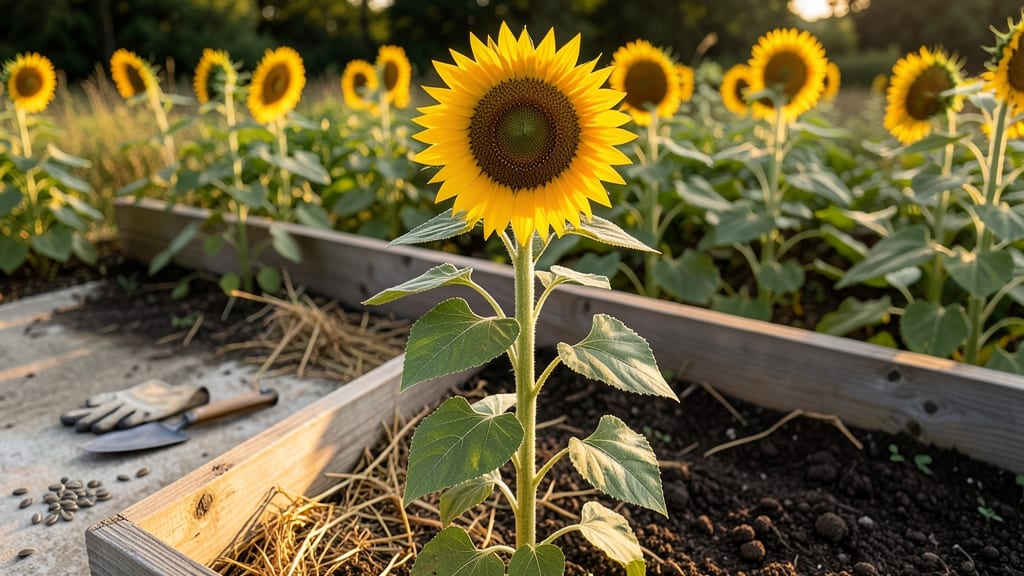
Planting sunflowers in Zone 9b after the last frost risk — around mid-February — gives them the warm soil and long days they need to reach their full 10-foot height.
But here’s the catch: even in mild winters, sowing too early can leave seedlings vulnerable to erratic cold snaps, while planting too late risks stunted growth from summer’s relentless heat. The ideal window is narrow, and missing it means sacrificing those towering blooms you’re dreaming of.
In Zone 9b, where frost is rare but heat is a year-round challenge, timing isn’t just about months—it’s about microclimates. Coastal areas like San Diego can start earlier, while inland deserts like Phoenix need to wait until soil warms consistently.
I’ll show you how to read your local cues and adjust for maximum stalk strength.
You’ll also discover which sunflower varieties handle Zone 9b’s extremes best, how to stretch your planting season with succession crops, and the one soil trick that doubles your chances of taller, healthier sunflowers.
Optimal sunflower planting dates in Zone 9b for tallest growth
Sunflowers in Zone 9b can reach towering heights—up to 14 feet—but only if planted during the perfect frost-free window. Unlike cooler zones, Zone 9b’s mild winters mean you can start sowing earlier, but late-season heat can stunt growth if you wait too long.
The key is balancing soil warmth and daylight length to maximize stalk height and bloom size.
Direct sowing is ideal for sunflowers, but transplanting young seedlings can work too—just avoid hot soil (above 85°F) that can shock roots. In Zone 9b, the optimal planting window spans from mid-February to early May, with peak growth occurring in March and April when temperatures stabilize.
Let’s break down the best months for your region, whether you’re in Southern California’s coastal areas, the Phoenix desert, or the Las Vegas valley.
🌱 Key Insight: Sunflowers need 60–90 days to mature, so late plantings in May risk bolting (premature flowering) due to longer daylight hours and intense summer heat. For the tallest stalks, aim to harvest before July’s peak temperatures.
| Planting Method | Best Months | Soil Temp Threshold | Days to Maturity | Height Potential |
|---|---|---|---|---|
| Direct Sowing | Mid-February to Early April | 60–75°F (ideal germination) | 60–90 days | 6–14 ft (varies by variety) |
| Transplanting | Late March to Early May | Above 70°F (avoid >85°F) | 70–100 days | 3–10 ft (stress from transplant shock) |
| Succession Planting | April to Early June | 65–80°F (shade cloth for seedlings) | 50–70 days | 3–8 ft (shorter due to heat) |
For Southern California’s coastal areas (e.g., San Diego), you can start sowing as early as mid-February when soil temperatures hit 60°F. Coastal breezes moderate heat, giving you a longer frost-free window (up to 300+ days).
In contrast, inland desert regions like Phoenix or Palm Springs should delay until late February to early March to avoid soil crusting from rapid evaporation.
In Arizona’s Sonoran Desert or Nevada’s Las Vegas valley, aim for March planting to align with the spring monsoon season, which provides natural irrigation.
If you plant in April or May, use drip irrigation to prevent heat stress and ensure consistent moisture. Dwarf varieties (like ‘Teddy Bear’) handle late-season heat better than giant types (like ‘Mammoth’).
Late-season heat in Zone 9b can trigger bolting, where sunflowers flower prematurely with shorter stalks. To combat this, choose heat-tolerant varieties like ‘Autumn Beauty’ or ‘ProCut’, which mature faster in 90°F+ temperatures.
If you miss the ideal window, opt for succession planting in April or May—just expect 30–50% shorter stalks compared to spring plantings.
Pro tip: Test your soil temperature before planting using a soil thermometer. Sunflower seeds need soil at least 60°F to germinate; cooler soils (50°F) will delay sprouting by 1–2 weeks.
In coastal Zone 9b, morning fog can keep soils cool—plant in full sun spots to warm the earth faster.
If you’re transplanting seedlings (rather than direct sowing), harden them off for 7–10 days before moving to the garden. Avoid transplanting after mid-April in desert areas, as intense afternoon sun can scorch young leaves. For container gardening in urban heat islands, use 5
How to adjust sunflower planting for Zone 9b’s microclimates
Zone 9b’s microclimates create unique challenges for sunflower growers. Coastal areas like San Diego enjoy milder temperatures, while inland deserts near Phoenix face intense heat. Even within cities, urban heat islands can raise soil temperatures by 10°F+, altering planting windows.
Understanding these differences helps you choose the right timing and varieties for your specific location.
Coastal regions can start sunflower seeds as early as late February, taking advantage of cooler evenings and ocean breezes. In contrast, inland areas should wait until mid-to-late March when soil temperatures consistently stay above 60°F.
This delay prevents seedling stress from sudden heat spikes that can occur in desert climates.
For container gardening in urban heat islands, timing becomes even more critical. Pots heat up faster than soil, so I recommend waiting until April 1st and using black containers to absorb and retain heat. Pair this with drought-resistant varieties like 'ProCut' or 'Moulin Rouge' to handle the extra stress.
When to Plant Sunflowers in Zone 9b Microclimates
Coastal Areas (e.g., San Diego)
- ✅ Pros: Cooler nights, longer growing season
- ✅ Pros: Can start seeds indoors by February 15
- ✅ Pros: Lower risk of heat stress
Cons:
- ❌ Cons: Higher humidity may increase fungal risks
- ❌ Cons: Ocean fog can delay germination
Inland/Desert Areas (e.g., Phoenix)
- ✅ Pros: Intense sun accelerates growth
- ✅ Pros: Longer daylight hours boost maturity
- ✅ Pros: Lower humidity reduces disease pressure
Cons:
- ❌ Cons: Must wait until soil reaches 60°F+
- ❌ Cons: Heat stress can stunt growth if planted too early
Urban Heat Islands
- ✅ Tip: Use shade cloth (30-50%) for seedlings
- ✅ Tip: Water deeply at dusk to reduce evaporation
- ✅ Tip: Choose compact varieties like 'Teddy Bear'
Extending your sunflower season with succession planting works well in Zone 9b. After your first planting in March, sow a second batch in late April to take advantage of cooler fall temperatures. This two-phase approach ensures continuous blooms and maximizes your harvest window.
Irrigation schedules must adapt to your microclimate. Coastal areas need 3-4 days between waterings, while inland deserts may require deep watering every 2-3 days during peak summer heat. Always water at soil level to avoid wetting leaves, which can lead to fungal issues in humid coastal zones.
For the best results, pair your planting adjustments with mulching to retain moisture and drought-resistant varieties suited to your specific microclimate. With these tailored approaches, you’ll enjoy sunflowers that reach their full 10-foot potential regardless of whether you’re near the coast or in the desert.