
Flowers
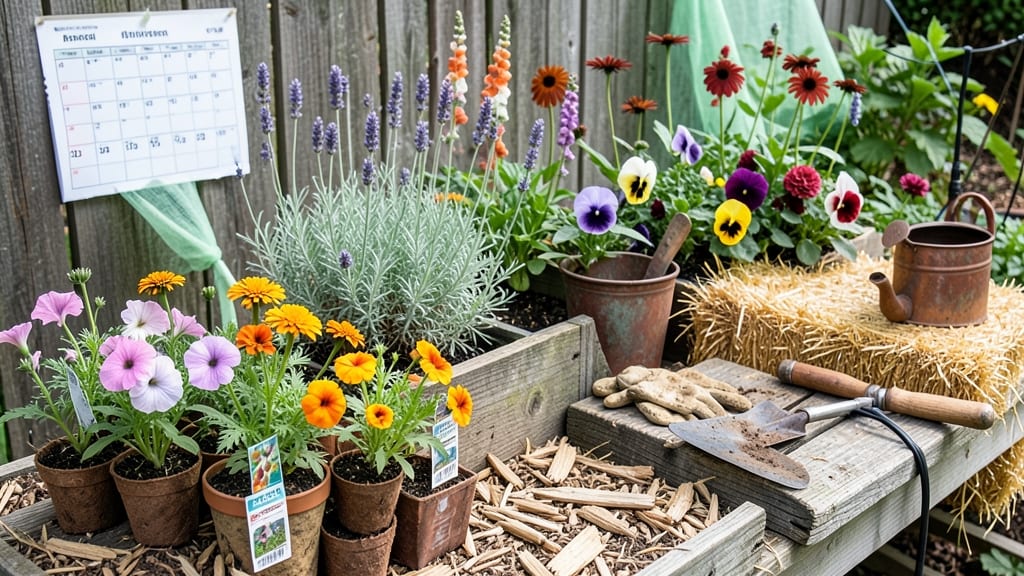
To plant flowers in Washington State at the perfect time means timing your seeds and bulbs with the last frost dates that vary wildly from the Puget Sound to Spokane.
Get it wrong, and you’ll watch your 🌸 marigolds wilt in a late spring chill or your lavender struggle under summer’s relentless sun. But nail it—and you’ll have a garden bursting with color from spring through fall.
Western Washington’s marine climate lets you start annuals like pansies as early as February, while Eastern WA’s drier heat waits until May. Perennials like rhododendrons? They thrive with a spring planting before the soil warms.
Below, I break down the exact deadlines by zone, flower type, and microclimate—so you can plant with confidence and skip the guesswork.
Washington State planting zones: key deadlines for annual and perennial flowers
Washington State spans USDA Zones 7-9, creating unique planting challenges from the coastal marine climate of Seattle to the arid inland regions near Spokane. These zones dictate your last frost dates, which are critical for timing annual flowers like marigolds and perennial favorites such as lavender.
Get it wrong, and you risk frost damage or missed blooms.
In Zone 7 (Western WA), average last frost dates fall between March 15-30, while Zone 9 (Eastern WA) sees later frosts around April 15-30. Microclimates—like sheltered valleys or coastal areas—can shift these dates by 2-4 weeks.
For example, Mount Rainier's foothills may experience frost until May 1, while Yakima's desert climate often warms up by March 15.
Here’s how to align your planting with Washington’s climate zones and flower types:
For annual flowers, like petunias or marigolds, wait until 2-3 weeks after your last frost date to plant seeds or seedlings. These tender perennials won’t survive even light frosts.
In Zone 7, that means holding off until April 15, while Zone 9 gardeners can start as early as April 30.
Perennial flowers, such as lavender or coneflowers, are hardier and can often be planted in early spring (March-April) or fall (September-October). Fall planting gives roots time to establish before winter, while spring planting aligns with soil warming. In cooler coastal zones, like the San Juan Islands, delay perennial planting until May 1 to avoid late-season frosts.
Adjust for microclimates: A south-facing slope in Zone 7 may warm up 2 weeks earlier than a north-facing garden. Use frost blankets for early spring plantings in cooler areas, and monitor local weather forecasts for unexpected frost warnings.
My Zone 8 garden in Wenatchee once lost a batch of dahlias after a May frost—a reminder to stay flexible!
For bulbs like tulips or daffodils, plant in fall (September-October) to ensure they establish roots before winter. In Zone 9, aim for September 15, while Zone 7 gardeners should finish by October 15. These early bloomers reward patience with spring color before annuals even sprout.
Pro tip: Use succession planting to extend your flower season. In Zone 8, I plant cosmos seeds every 2 weeks from May to July for continuous blooms. This strategy works for heat-loving annuals like zinnias and sunflowers
Best flowers to plant by month in Washington’s climate regions
Washington’s climate creates two distinct gardening worlds: the cool, wet Pacific Northwest and the hot, dry inland regions. In Western WA, you can plant pansies and snapdragons as early as February, while Eastern WA gardeners wait until May for zinnias and sunflowers to thrive.
The key? Matching your flowers to your microclimate’s last frost dates and summer heat tolerance.
For Western WA (Zones 7-8), focus on cold-hardy annuals in spring and heat-tolerant perennials for summer. In Eastern WA (Zones 5-7), prioritize late-spring plantings to avoid early frosts and drought-resistant varieties like lavender.
Below, I’ve broken down the best flowers to plant each month, tailored to your region’s unique conditions.
- February-March (Western WA only): Plant hardy annuals like pansies, violas, and sweet peas—these thrive in cool soil and avoid late frosts. In Eastern WA, wait until April for these tender plants.
- April (Both Regions): Time for spring-blooming bulbs (daffodils, tulips) and cool-season veggie flowers (nasturtiums, marigolds). Western WA can also start snapdragons and petunias.
- May (Eastern WA) / Early May (Western WA): Warm-season annuals like zinnias, sunflowers, and cosmos go in after the last frost date. Perennials (lavender, coneflowers) can be planted too.
- June-August: Focus on succession planting for annuals (e.g., marigolds every 2 weeks) and transplanting heat-loving perennials like black-eyed Susans. Western WA may need shade cloth for delicate blooms.
- September (Both Regions): Plant fall-blooming bulbs (crocuses, hyacinths) and cool-season annuals (pansies, stock). Eastern WA can extend the season with frost blankets.
In Western WA, I recommend starting pansies in February for early spring color, while Eastern WA gardeners should wait until May 1st to plant zinnias—they’ll bolt in the heat if planted too soon.
For perennials like lavender, spring planting (March-April) gives roots time to establish before summer’s dry spells.
Don’t forget succession planting! In July and August, sow fast-growing annuals like cosmos every 3 weeks to keep your garden blooming until first frost. Western WA’s October 15 frost date is earlier than Eastern WA’s October 1, so plan accordingly.
Pro tip: Use mulch in Eastern WA to retain moisture for heat-loving flowers like sunflowers, while Western WA gardeners can rely on natural rainfall once established. Adjust your planting timeline based on your local microclimate—even a 10-degree difference can change frost dates by weeks.
With these deadlines, your Washington garden will burst with color from early spring pansies to late-summer zinnias, no matter which side of the state you’re on. Happy planting! 🌻