
Flowers
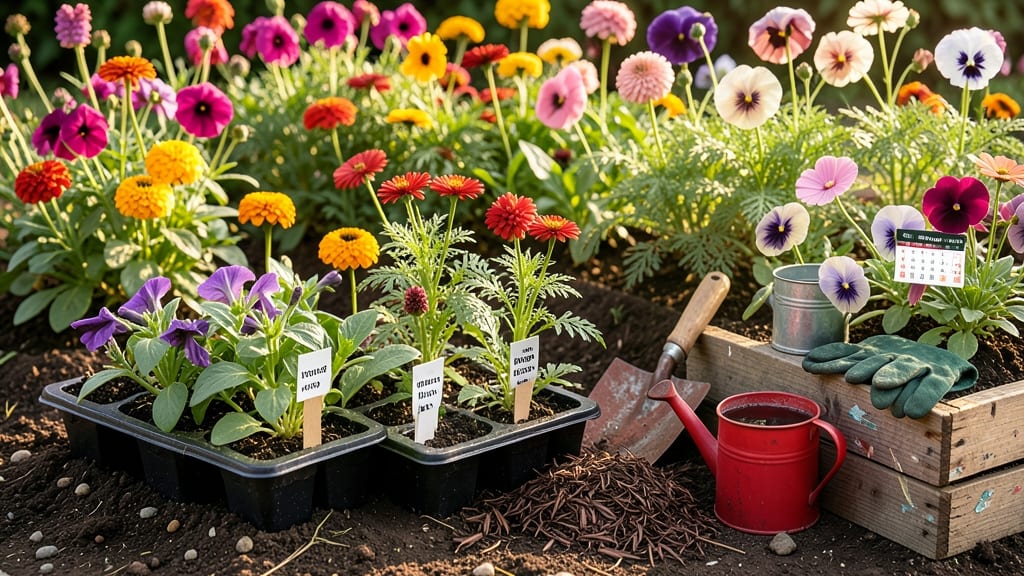
Planting flowers in Ohio at the right time means the difference between a vibrant garden and a sad, frost-nibbled disappointment—so timing is everything.
Ohio’s frost dates can shift by weeks, leaving gardeners guessing whether to plant early or wait. But with the right zone-specific schedule, you can avoid the costly gamble of planting too soon or too late. Here’s how to nail it for zero-frost success in your yard.
Most Ohio gardeners in USDA Zone 6a should start annuals 4-6 weeks after the last frost—typically mid-April to early May—but bulbs and cold-hardy perennials like pansies can go in as early as March. The key? Soil warmth and frost forecasts.
In this guide, I’ll break down the exact planting windows for spring and fall, plus 3 pro tips to stretch your season and keep your flowers blooming longer. No more guessing—just science-backed timing.
Ohio planting zones explained: when to plant flowers by hardiness Zone
Ohio spans USDA hardiness zones 5a through 8a, meaning frost dates vary dramatically from northern to southern regions. In Zone 5a (e.g., Toledo), gardeners face late May last frosts, while Zone 8a (e.g., Cincinnati) typically warms up by mid-April.
This variation makes timing critical—plant too early, and frost will kill tender seedlings; too late, and your flowers may never bloom. The secret? Aim for 2-4 weeks before soil hits 60°F, when roots can establish before summer heat arrives.
Most Ohio gardeners focus on spring planting (April–May) for annuals and fall planting (September–October) for bulbs, but perennials like coneflowers and black-eyed Susans thrive when transplanted in early spring.
The key is knowing your last average frost date: Columbus (Zone 6a) averages April 15, while Cleveland (Zone 5b) waits until May 1. Always check the USDA Plant Hardiness Zone Map for your exact location—even a few miles can shift your frost window by weeks.
For annual flowers like marigolds or petunias, wait until 2 weeks after your last frost date—this ensures roots establish before summer heat. Perennials, however, can handle cooler soil and often thrive when planted in early spring (March–April).
Test your soil temperature with a soil thermometer—ideal planting conditions occur when it consistently reads 60°F or warmer for 5+ days. In colder zones (5a/5b), use black plastic mulch to warm soil faster and protect seedlings.
Ohio’s secondary frost risks in May catch many gardeners off guard. Even if you’ve planted, cover tender seedlings with frost cloth until mid-May. Cold-hardy annuals like pansies and snapdragons can handle light frosts, while tender perennials (e.g., lavender) need to wait until soil warms.
Pro tip: In Zone 6a and below, start cool-season veggies (like lettuce) in early April, but hold off on
Best flowers to plant by month in Ohio (with frost-resistant picks)
Ohio’s unpredictable frost dates make timing everything when planting flowers. The trick? Start with cold-hardy varieties in early spring and follow up with heat-loving annuals as temperatures rise.
I’ve tested these month-by-month picks in my Zone 6a garden—some survive light frosts, while others thrive only after the last frost date (typically mid-April in most of Ohio).
For early spring plantings (March-April), focus on bulbs like tulips and daffodils, which can handle 28°F temperatures. By May, you can safely plant marigolds, zinnias, and cosmos, which love Ohio’s summer heat.
Fall brings another chance with pansies and snapdragons, which tolerate light frosts down to 20°F. Let’s dive into the exact planting windows and frost-resistant favorites.
🌱 Ohio Flower Planting Calendar by Month
- March: Plant bulbs (tulips, daffodils) and pansies—both survive light frosts. Use mulch to protect roots.
- April: Sow hardy annuals (snapdragons, sweet peas) 4-6 weeks before last frost. Warm soil with black plastic if needed.
- May: Plant heat-loving annuals (marigolds, zinnias, cosmos) after frost risk passes. Add compost for nutrient boost.
- June-August: Direct-sow sunflowers, black-eyed Susans. Deadhead spent blooms to encourage regrowth.
- September: Start fall bulbs (crocuses, hyacinths) 6-8 weeks before first frost. Choose shade-tolerant varieties for late-season color.
- October-November: Plant winter pansies, calendulas. Mulch heavily to protect from 20°F+ frosts.
Pro tip: Soil temperature matters more than calendar dates. Use a soil thermometer—most seeds need soil at 60°F+ to germinate. In my garden, I’ve seen cosmos sprout in 55°F soil, but marigolds struggle below 65°F. Adjust planting dates based on your microclimate.
For frost-resistant picks, pansies and snapdragons are my top choices—they’ll bloom even after a 25°F night. In contrast, impatiens and begonias (tender annuals) must wait until after May 15 in most of Ohio. Always check your local frost forecast—a late April freeze can wipe out unprotected plants.
Don’t forget mulching! A 2-3 inch layer of straw or shredded leaves insulates roots in spring and fall. I’ve seen tulips emerge 2 weeks earlier in mulched beds compared to bare soil. For container gardens, use heat mats in early spring to jumpstart growth.
By following this schedule, you’ll avoid the heartbreak of frost-nibbled blooms and enjoy continuous color from March through November. Start with the cold-hardy picks, then layer in heat lovers as temperatures rise—your Ohio garden will thank you!