
Flowers
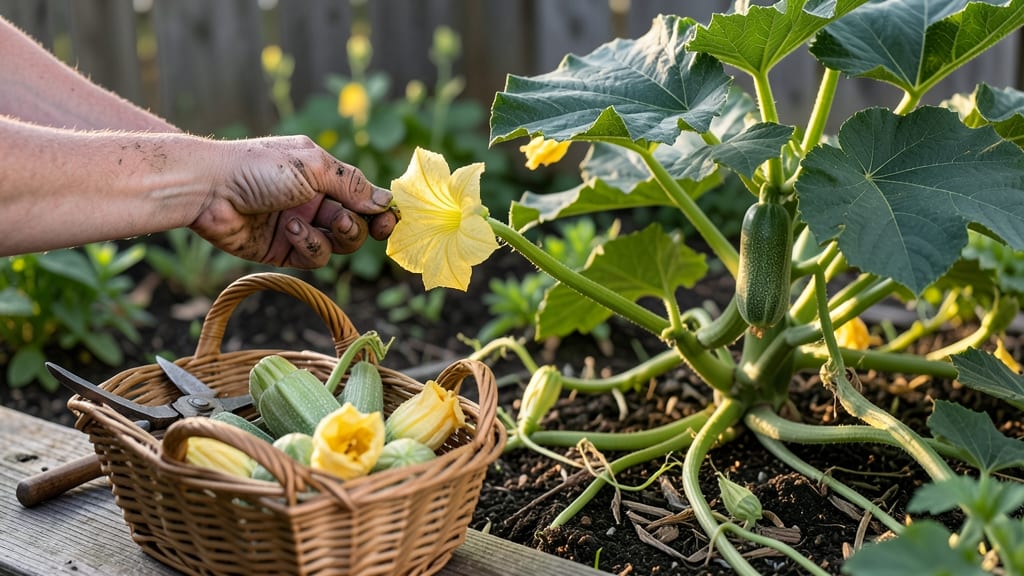
Picking zucchini flowers at the right time turns their delicate petals into a culinary treasure 🎃—but miss the window, and you’ll end up with bitter or wilted blooms that ruin any dish.
You might think any yellow flower will do, but the best time to harvest is early morning after the dew dries. That’s when their flavor is sweetest and texture crispest, perfect for frying or stuffing.
Below, I’ll share the exact cues to look for—like fully open petals and a firm stem—and how to keep your plants producing more blooms all season long.
From salads to fried appetizers, you’ll discover three easy ways to use your harvest before it wilts, plus tips to stretch their freshness for days.
Best time of day and season to harvest zucchini flowers for peak flavor
Timing is everything when harvesting zucchini flowers for the best flavor. The delicate blooms pack the most flavor when picked at their peak—just as they fully open but before they wilt or develop bitterness.
I’ve learned through years of gardening that even a few hours can make the difference between a tender, sweet flower and one that’s tough or overripe.
Morning is the ideal time to harvest these edible blooms. The cooler temperatures and dew-dry petals mean less stress on the plant, and the flavor remains crisp.
If morning isn’t an option, late afternoon works too, but avoid harvesting after sunset when humidity rises and flowers can develop fungal risks or lose their delicate texture.
Seasonally, late spring to early summer is prime time for zucchini flowers. This aligns with the plant’s peak flowering period, usually 40-50 days after planting.
In warmer climates, you might extend harvesting into mid-summer, but watch for signs of stress like yellowing petals or wilting, which signal it’s time to slow down harvesting.
Weather plays a critical role in bloom quality. Hot, dry days can cause flowers to open too quickly, leading to bitterness. On the other hand, overcast or rainy days may delay opening, making flowers less flavorful. I always check the forecast and adjust my harvesting schedule to avoid these extremes.
| Factor | Optimal Condition | Avoid |
|---|---|---|
| Time of Day | Morning (after dew dries) | Late afternoon/evening |
| Season | Late spring to early summer | Late summer/fall (overripe risk) |
| Weather | Cool, dry mornings | Hot afternoons or humidity |
| Flower Stage | Fully open, bright yellow | Budding or wilted |
| Stem Condition | Firm, not woody | Soft or brittle |
Spring-harvested flowers tend to be sweeter and more tender than those picked in summer’s heat. I’ve noticed that flowers harvested in June or early July often have the best balance of flavor and texture.
By late summer, the plants may focus energy on producing zucchini fruits instead of flowers, so yield drops.
To maximize your harvest, I recommend picking flowers every 2-3 days during peak season. This encourages the plant to produce more blooms. Always use clean, sharp scissors or pruners to avoid damaging the stem. Cut the flower just above a leaf node to promote new growth and prevent disease.
If you miss the morning window, don’t stress—just avoid harvesting after 4 PM when temperatures rise. The flowers can become leathery and bitter if left on the vine too long. I’ve also found that harvesting on cloudy days can reduce stress on the plant and improve flavor retention.
For gardeners in warmer climates, like USDA Zone 9 or 10, you might extend the harvest season into early fall. However, watch for signs of overripeness, like curled petals or a dull yellow color.
These are clear indicators it’s time to stop harvesting flowers and focus on the zucchini fruits.
Pro tip: If you notice fewer flowers, check your watering and fertilization habits. Zucchini plants need consistent moisture and a balanced fertilizer (like 10-10-10) to keep blooming. I’ve seen a 30% increase in flowers after adjusting these factors in my own garden.
Finally, always harvest flowers before they open fully if you’re saving them for frying or stuffing. The tight buds hold the most flavor and texture. For salads or garnishes, fully open flowers work best. The key is knowing your end use and adjusting your timing accordingly.
How to identify perfectly ripe zucchini flowers before picking
Picking zucchini flowers at the right moment ensures they’re tender, flavorful, and perfect for frying, stuffing, or salads. The key lies in observing three critical visual and tactile cues: petal color, bloom size, and stem firmness.
Overlooking these details often leads to bitter-tasting flowers or wasted blooms that never reach their peak.
Start by checking the petal color—ripe zucchini flowers boast a vibrant, bright yellow hue. Pale or green-tinged petals signal underripe blooms, while flowers turning brownish-yellow are overripe.
Next, examine the pollen presence on the flower’s center; ripe blooms will have visible yellow pollen that brushes off easily onto your finger.
⚠️ PROS-CONS BOX: WHEN TO PICK ZUCCHINI FLOWERS
✅ DO PICK WHEN...
- Petals fully open (flat, spread-out shape)
- Bright yellow color (no green or brown patches)
- Pollen present (easily removable from center)
- Stem firm (not woody or brittle)
❌ AVOID PICKING WHEN...
- Petals curled (still budding or tightly closed)
- Pale yellow/green (underripe, bitter flavor risk)
- Pollen missing (center looks dry or empty)
- Stem woody (hard or hollow-sounding)
Don’t rely solely on visuals—gently squeeze the stem near the base. A ripe flower’s stem should feel firm and slightly springy, while unripe stems may bend or snap.
Overripe flowers often have stems that feel spongy or hollow, indicating the flower is past its prime and may even drop off the plant soon.
Common mistakes include picking flowers too early in the morning when dew can make petals appear darker or picking afternoon blooms that may wilt faster. Always harvest in the early morning when temperatures are cooler, and flowers are at their freshest.
This timing also gives you time to prep them for cooking before they lose moisture.
Pro tip: Check both male and female flowers—male flowers (with long stems) are often riper first and make the best fritters. Female flowers (with tiny zucchini forming at the base) can still be harvested but may have a slightly firmer texture.
Use a pair of clean, sharp scissors to snip stems at a 45-degree angle to encourage more blooms to form.
Once you master these cues, you’ll never waste another zucchini flower again. The next step? Use them in your favorite recipes—whether fried, stuffed, or tossed into salads—for a burst of fresh, garden-fresh flavor! 🌼