
Flowers
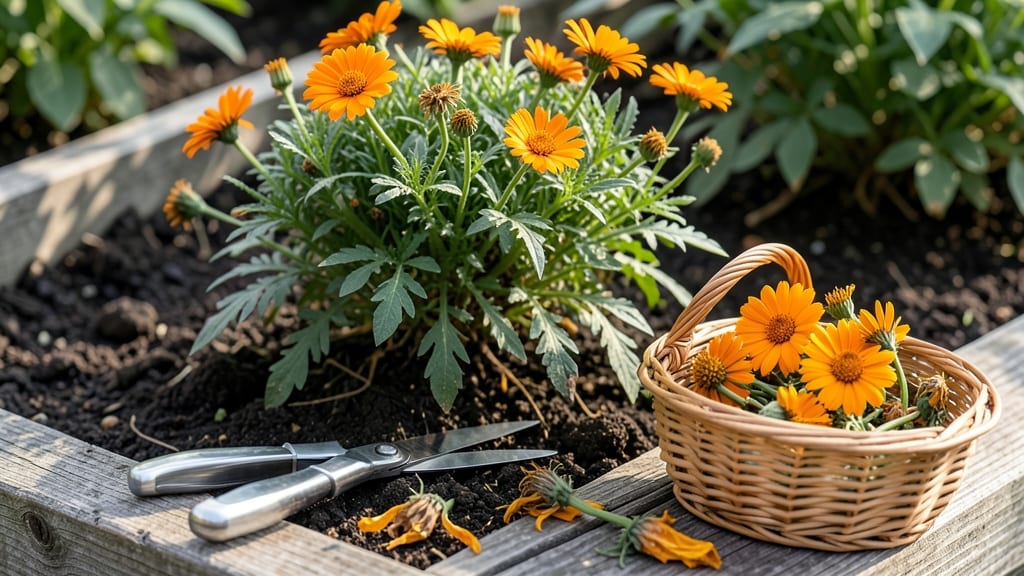
Harvesting calendula flowers at the right moment turns their golden petals into a medicinal powerhouse—but timing is everything, and missing the window means losing potency.
Picture this: you’ve nurtured your 🌼 calendula all summer, and now the blooms are everywhere. But how do you know when to snip? The answer lies in a subtle color shift—from pale yellow to a rich, deep orange—that signals peak healing properties.
Grab them too early, and you’re left with weak tea; wait too long, and the petals turn bitter.
This guide breaks down the exact visual cues to watch for, from petal flatness to stem firmness, plus the best time of day to harvest for maximum flavor and therapeutic benefits. Whether you’re drying them for salves or tossing them into soups, knowing when to cut makes all the difference.
Ready to turn your garden into a harvesting goldmine? Let’s dive into the signs that your calendula is begging to be picked—and how to preserve its magic long after the blooms fade.

How to spot the Perfect harvest time using petal color changes
Calendula flowers undergo a striking color transformation as they mature, signaling when to harvest for maximum potency. The shift from golden-yellow buds to deep orange petals isn’t just about aesthetics—it’s your cue to act.
These vibrant blooms peak in medicinal compounds like flavonoids and carotenoids when fully open, making timing everything for teas, salves, or dried arrangements.
Watch for the first signs of petal flattening—this means the flower has reached its optimal harvest window. A fully unfurled bloom with bright, even coloration (no streaks or browning) is your target.
Miss this stage, and you risk harvesting flowers that are either underdeveloped or overripe, both of which dilute their healing properties.
🌼 SUMMARY-TABLE: WHEN TO HARVEST CALENDULA FLOWERS
| Petal Stage | Color Indicator | Harvest Readiness | Potency Level |
|---|---|---|---|
| Tight Bud | Pale yellow-green | Not ready | Low |
| Partially Open | Golden-yellow | Early harvest (optional) | Medium |
| Fully Open | Deep orange | Perfect harvest | High |
| Overripe | Brown edges | Avoid | Low |
Golden-yellow calendula blooms with slightly curled petals are still developing their full medicinal benefits. These partially open flowers can be harvested early if you’re in a rush, but they’ll yield less potent results compared to fully mature blooms.
I recommend waiting until the petals flatten completely—this usually takes 3-5 days after the bud stage, depending on sunlight and temperature.
When the petals turn a rich, consistent orange (or golden-yellow for certain varieties like ‘Pacifica’), they’ve reached peak harvest time. At this stage, the flavonoid content is at its highest, making them ideal for homemade salves or tinctures.
The stems should also feel firm but not woody—a sign the flower is mature but hasn’t yet dried out on the plant.
Overripe calendula flowers show unmistakable signs of decline: petals with brown edges or spots, a drooping stem, or a dull, faded color. Harvesting these reduces potency and can attract pests.
If you spot these late-stage flowers, remove them immediately to redirect the plant’s energy to new blooms. I’ve learned the hard way—overripe calendula can spread mildew if left on the plant too long.
Morning is the best time to harvest calendula for fresh use or drying. The dew-free petals and cooler temperatures help preserve their color and potency. Avoid harvesting after rain, as moisture-laden petals are prone to mold during drying.
If you must harvest in the evening, let the flowers air-dry briefly in a shady, ventilated area before processing.
For dried calendula, harvest fully open flowers on a sunny morning and hang them upside down in small bundles. Store the dried petals in airtight containers away from direct sunlight to maintain their medicinal properties for up to 12 months.
I keep a small jar of dried calendula petals in my herbal first-aid kit for minor cuts and scrapes—it’s a game-changer!
If your calendula plants are blooming continuously, you can harvest every 2-3 days without stressing the plant. Just be sure to leave at least 2-3 leaves per stem to encourage new growth.
Overharvesting can weaken the plant and reduce future blooms. I’ve found that regular, light harvesting actually stimulates more flowers by preventing seed formation.
Pro tip: Use a clean, sharp pair of scissors or pruning shears to snip stems just above a leaf node. This encourages bushier growth and prevents disease from entering the stem. Always wear gloves if you have sensitive skin—calendula’s latex-like sap can cause irritation in some people.
Now that you’re tuned into the color cues, your calendula harvests will be consistently potent. The next time you see those deep orange petals unfurling, you’ll know it’s prime harvest time—just like clockwork. Happy harvesting! 🌻
Best practices for harvesting calendula to maximize medicinal and culinary value
Timing your calendula harvest correctly is the difference between potent medicinal petals and bitter, wilted scraps. The best time of day to harvest is early morning, right after the dew evaporates but before the sun peaks.
This ensures the petals are fully hydrated and packed with essential oils—the compounds that give calendula its anti-inflammatory and skin-soothing properties.
For culinary uses, like infusing oils or making teas, harvest the fully open blooms with petals that have flattened out completely. The deep orange or golden-yellow petals signal peak flavor and potency.
If you wait too long, the petals turn brown and lose their therapeutic benefits, making them less effective for salves or tinctures.
✂️ Harvesting Calendula: Pros and Cons
- ✅ Higher potency (essential oils peak)
- ✅ Petals stay fresh longer for drying
- ✅ Less wilting during transport
- ❌ Lower oil content (evaporates by afternoon)
- ❌ Higher humidity risks mold in petals
- ❌ Petals wilt faster when drying
- ✅ Gentler on stems (encourages regrowth)
- ✅ Selects healthiest blooms only
- ❌ Slower for large harvests
- ✅ Faster for bulk harvests
- ✅ Cuts cleaner stems for drying
- ❌ Risk of damaging foliage if overzealous
- ✅ Best for teas/salves (higher oil content)
- ✅ Easier to dry (less bulk)
- ❌ Misses some flavor from buds
- ✅ Fuller flavor profile for culinary uses
- ✅ More yield per harvest
- ❌ Longer drying time (thicker material)
When harvesting, always use clean, sharp scissors or pruners to avoid crushing the stems. Cut the flower heads just above a leaf node to encourage new growth and more blooms.
For medicinal uses, prioritize the outer petals—they contain the highest concentration of carotenoids and flavonoids, the compounds responsible for calendula’s healing properties.
To preserve the potency of your harvest, dry the petals in a dark, well-ventilated space away from direct sunlight. Spread them on a screen or mesh tray in a single layer, stirring occasionally to ensure even drying.
Once completely dry, store the petals in an airtight glass jar away from light to maintain their medicinal properties for up to 1 year.
For culinary purposes, like adding calendula to salads or infusing oils, you can use fresh petals immediately after harvest. However, if you’re making calendula-infused oil, harvest the blooms in the morning and process them within 2 hours to lock in their aromatic compounds.
The key is consistency—whether for medicine or meals, timing and technique are everything.
Pro tip: If your calendula plants are thriving, you can harvest up to 1/3 of the blooms at a time without stressing the plant. Just avoid taking more than 2-3 blooms per stem to keep the plant producing new flowers for your next harvest.
With these practices, you’ll turn your garden into a year-round supply of healing, edible calendula.