
Trees
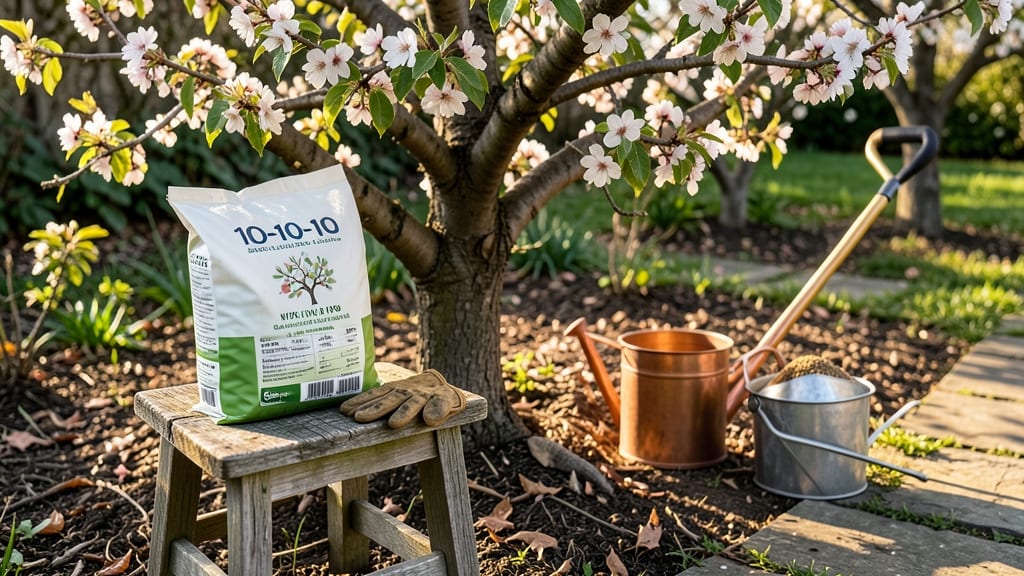
To fertilize flowering trees at the right time means giving them a nutrient boost when they need it most—just as buds form and roots wake up from dormancy.
Struggling to get your flowering trees to burst into vibrant blooms year after year? Timing your fertilizer application could be the game-changer your garden needs—just a few weeks too early or late can leave your trees starved of nutrients when they need them most.
Most gardeners focus on spring, but the best time depends on your tree type and climate. Deciduous trees, like cherry or magnolia, thrive with a light feed in early spring, while evergreens may need a different approach. I’ll break down the exact windows and what to watch for.
You’ll also discover how to spot nutrient deficiencies before they stunt your blooms and which fertilizers actually work for stronger, longer-lasting flowers. Let’s make sure your trees get fed the right way, at the right time.
Optimal fertilization schedule for flowering trees by season
Timing your flowering tree fertilization isn't just about throwing down fertilizer—it's about giving your trees the right nutrients at the perfect growth stages. Whether you're growing cherry blossoms, crabapples, or magnolias, the wrong timing can lead to sparse blooms or even harm your tree.
Most gardeners make the mistake of fertilizing at the wrong season, often right after planting or during winter dormancy.
Science shows that late winter to early spring is the ideal window for most flowering trees, but evergreens like azaleas and camellias have different needs. Your USDA hardiness zone also plays a critical role—trees in Zone 5 need adjustments compared to Zone 9.
Let's break down the exact schedule to maximize those show-stopping blooms every year.
For deciduous flowering trees like dogwoods or serviceberries, the late winter application is critical because it kickstarts root growth before the tree sends energy into producing leaves and flowers.
I've found that applying a balanced fertilizer (like 10-10-10) in February or March (depending on your zone) gives my trees the phosphorus they need for robust blooms.
Evergreens, however, have different needs. Trees like azaleas and camellias thrive with acid-loving fertilizers applied in early spring (March-April in most zones). The key here is to avoid high-nitrogen fertilizers, which can burn their delicate roots.
Instead, I use organic options like cottonseed meal or peanut meal to keep the soil pH in check.
Your climate zone dictates the exact timing. In warmer zones (8-10), you can fertilize
Signs your flowering tree needs fertilizer (and when to act)
Your flowering tree might be silently begging for nutrients even when it looks healthy. The key is recognizing subtle visual cues that reveal nutrient deficiencies before they become irreversible. I’ve seen magnolias with sparse blooms and cherry trees with yellowing leaves—both clear signs their roots need feeding.
One of the first red flags is pale or yellowing leaves, especially if they appear on new growth. This often signals a nitrogen deficiency, which stunts both foliage and flower production.
Another telltale sign is small, sparse blooms or flowers that appear but quickly drop off—this points to a phosphorus shortage, critical for root and bloom development.
Don’t ignore slow growth either. If your tree isn’t adding height or fullness as expected, it’s likely starving for nutrients. Even weak stems or branches that snap easily can be a sign of poor nutrition. These visual clues help you act before your tree’s health declines further.
🌱 When to Fertilize Flowering Trees
- Early Spring: Apply light fertilizer (March-April) to kickstart growth before buds form.
- Post-Bloom (Summer): Feed again (June-July) to replenish nutrients after flowering.
- Fall/Winter: Skip fertilization—trees rest and absorb nutrients poorly in cooler months.
💡 Pro Tip: Test soil pH first—most flowering trees thrive in slightly acidic to neutral soil (6.0-7.0).
If you notice brown leaf edges or stunted new growth, your tree might need potassium or magnesium. These deficiencies often appear in older leaves first. For example, magnesium deficiency causes yellowing between leaf veins, while potassium deficiency leads to brown, crispy edges.
Timing matters just as much as the type of fertilizer. Applying nutrients too late in the season can encourage weak, late-season growth that won’t survive winter. Always fertilize in early spring (before buds swell) and again after blooming (to support next year’s flowers).
For established trees, a slow-release fertilizer in spring and a balanced liquid feed after blooming works best. If your tree is young or recently planted, start with a gentle organic fertilizer to avoid overwhelming its roots.
Watch for these signs, and your flowering trees will reward you with healthier foliage and bigger blooms next season.