
Flowers
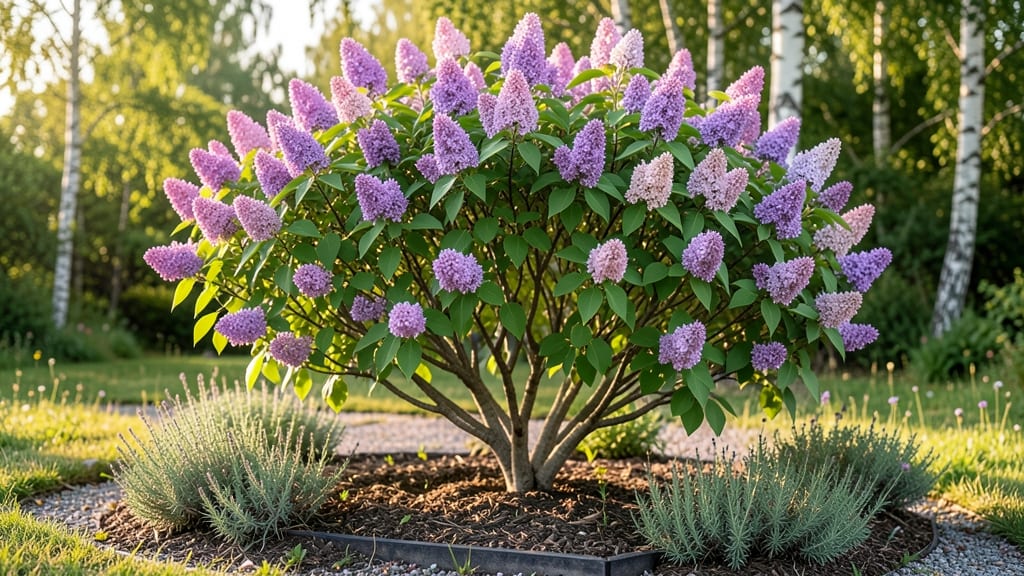
Lilacs flower in late spring, typically between April and June, but the exact timing depends on your hardiness zone and variety.
If you’ve ever wondered why your neighbor’s lilacs burst into fragrant purple blooms while yours remain bare, the answer lies in climate—not just luck. Understanding lilac bloom times across regions can mean the difference between a stunning spring display and missed opportunities.
In colder northern zones like Zone 6a, lilacs often bloom in early May after the last frost, while southern gardens may see flowers as early as April or as late as June, depending on chill hours and heat tolerance.
Below, I’ll break down the ideal bloom windows by zone, how to encourage healthy flowering with pruning and sunlight, and why some lilacs never seem to bloom at all.
Lilac bloom timeline by US hardiness Zones: northern vs southern gardens
Lilacs are one of spring’s most beloved blooms, but their flowering timeline varies dramatically across the U.S. In northern gardens (Zones 3-6), lilacs typically burst into color in late April to early May, while southern gardens (Zones 7-10) often see blooms stretch from March to June.
The key difference? Chill hours and frost dates trigger dormancy and bud development.
Northern lilacs need 500-1,500 chill hours (temperatures below 45°F) to break dormancy, while southern varieties thrive with just 300-600 chill hours. This explains why 'Katherine Havemeyer' lilacs in Zone 4 bloom later than 'Miss Kim' in Zone 8—their genetic adaptations to climate.
Here’s how to match lilac varieties to your USDA Zone for perfect timing:
In northern climates (Zones 3-6), lilacs rely on cold winters to set buds. If you prune too late in summer, you’ll cut off next year’s flowers. Southern gardeners (Zones 7-10) must choose varieties like 'Miss Kim', which blooms earlier and handles heat better than traditional types.
Watch for bud swell in early spring—a sure sign blooming is near. In Zone 5, this happens around April 15, while in Zone 9, buds may swell as early as February. Frost-sensitive varieties in warm zones often bloom in June to avoid late frosts.
To extend your lilac season, plant 3-5 varieties with staggered bloom times. For example, pair 'Early Scented' (April) with 'Bloomerang' (June rebloom). Mulch in fall to protect roots from temperature swings, which can delay or advance blooming.
If your lilacs bloom too late, they may miss peak fragrance periods. Early bloomers (like 'Sylvia') release scent when daytime temps are 50–60°F, while late varieties often bloom when heat reduces fragrance.
Choose based on your local microclimate—urban areas may bloom 1–2 weeks later than rural zones due to heat islands.
Pro tip: Prune lilacs immediately after flowering (not in fall) to avoid cutting off next year’s buds.
In Zone 8, this means pruning in May, while in Zone 4, wait until June to ensure buds have formed. Thin out crowded branches to improve airflow and encourage larger blooms.
Southern gardeners often struggle with heat stress after blooming. To help lilacs recover, water deeply in summer (2–3 inches per week) and avoid fertilizing during peak heat (July–August). Dwarf varieties like 'Little Leaf' handle southern heat better than standard-sized bushes.
No matter your zone, lilacs reward patience. With the right variety and care, you can enjoy fragrant blooms from March to June—or even twice a year with reblooming varieties like 'Bloomerang'. Start by checking your
How climate affects lilac flowering: chill hours vs heat tolerance
Lilacs need chill hours—a specific number of cold winter hours—to trigger spring blooms. Most varieties require between 300 and 1,500 chill hours, with northern climates naturally providing more.
In Zone 5, lilacs often get 1,200+ chill hours, while Zone 8 gardens may only see 300-500, forcing growers to choose heat-tolerant types.
For example, the classic 'Katherine Havemeyer' lilac thrives in cooler zones (600+ chill hours) but may struggle in Zone 9. Meanwhile, 'Miss Kim' adapts to Zone 4-9 with just 300-500 chill hours, making it ideal for southern gardens where winters are milder.
- 🌡️ 300-500 chill hours: Southern varieties like 'Miss Kim' bloom reliably in Zones 7-9.
- 🌿 600-900 chill hours: Mid-range types (e.g., 'Dwarf Korean') suit Zones 5-8.
- 🌳 1,200+ chill hours: Traditional lilacs (e.g., 'Purple Robin') thrive in Zones 3-6.
- ☀️ Heat tolerance: Southern varieties bloom earlier (April) vs. May-June for northern types.
Heat tolerance also plays a role. Lilacs in Zone 10 may bloom in March if given enough chill hours, but prolonged summer heat can stress plants, reducing next year’s blooms. Mulching with organic matter helps retain moisture and regulate soil temps, while drip irrigation prevents wilting during heatwaves.
If your lilac blooms sporadically, check its chill hour requirements. For instance, 'Mme. Lemoine' (900 chill hours) may fail in Zone 7 without winter protection. In warmer zones, plant near east-facing walls to extend chill exposure or choose dwarf varieties like 'Little Leaf', which adapt better to heat.
Pruning after blooms helps redirect energy to next year’s flowers, but timing matters. In Zones 3-5, prune in late May to avoid cutting off buds forming for spring. Southern gardeners should prune immediately after blooming to encourage earlier blooms in mild winters.
For consistent blooms, match your lilac to your microclimate. Test your chill hours using local weather data (e.g., NOAA’s chill hour calculators) and adjust by selecting varieties with lower chill requirements if needed. With the right choices, even Zone 10 gardens can enjoy fragrant lilacs—just choose wisely!