
Flowers
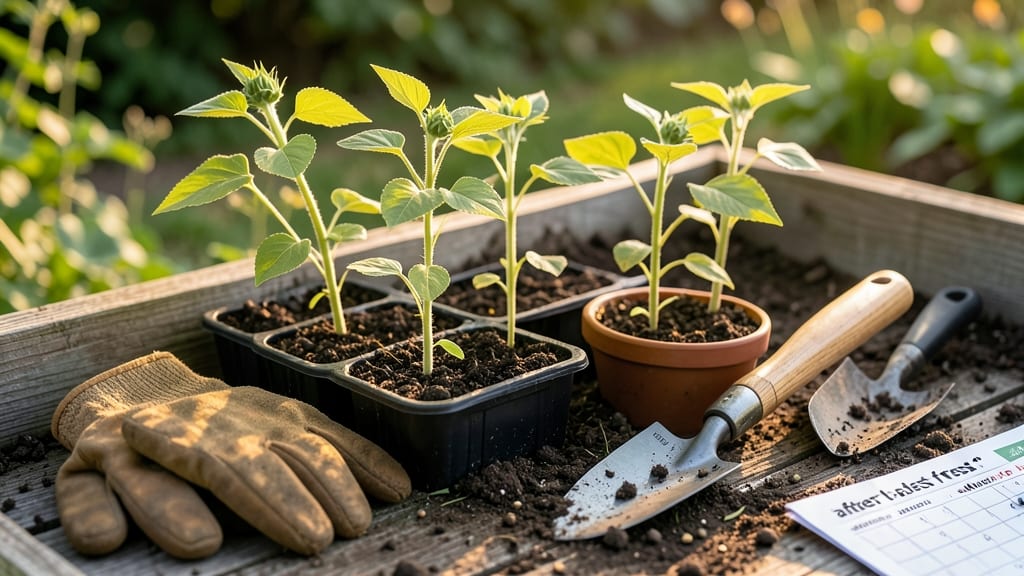
Planting sunflowers in Michigan after the last frost date—typically late April to mid-June—sets you up for those iconic 10-foot-tall blooms by summer.
But here’s the catch: Michigan’s Zone 4B-5B climate means a late frost can still sneak in, and those delicate seedlings won’t survive. I’ve watched entire rows of sunflowers wilt overnight after a surprise frost, and trust me, you don’t want that heartbreak.
Timing isn’t just about the calendar—it’s about soil temperature (60°F+), microclimates, and even the variety you pick. Some sunflowers bolt in heat, while others need cooler nights to thrive.
I’ll walk you through the exact frost-free windows, soil prep secrets, and backup plans if you miss the ideal window.
By the end, you’ll know not just when to plant, but how to give your sunflowers the best shot at reaching their full sun-soaked potential—no guesswork, just blooming confidence.
Michigan sunflower planting dates by zone 4B-5B (with frost risk alerts)
Michigan’s USDA Zones 4B-5B present unique challenges for sunflower growers, where last frost dates can vary by 2-3 weeks between northern and southern regions.
In Zone 4B, average last spring frost typically occurs around May 10-15, while Zone 5B enjoys slightly warmer conditions with frosts ending by May 1-7.
These dates are critical because sunflowers (Helianthus annuus) need 60°F+ soil temperatures to germinate reliably—any earlier and you risk seed rot or stunted growth.
Direct sowing is the recommended method for Michigan gardeners, as sunflower seedlings are fragile and transplant poorly.
However, starting seeds indoors 2-3 weeks before your last frost date can give you a 10-14 day head start if you’re in Zone 4B. For Zone 5B, you can push direct sowing slightly earlier, but always wait until soil warms to 55°F+—a soil thermometer is your best friend here.
I’ve learned this the hard way with chilly April surprises!
Here’s the frost-free window breakdown you need to plan your sunflower planting successfully in Michigan:
| Zone | Last Frost Date (Avg.) | Ideal Planting Window | Soil Temp Threshold | Backup Transplant Date |
|---|---|---|---|---|
| 4B (Northern MI) | May 10-15 | May 20 - June 10 | 60°F+ | June 15 (late starts) |
| 5B (Southern/Central MI) | May 1-7 | April 25 - June 15 | 55°F+ | June 20 (late starts) |
⚠️ Frost Alert: Use row covers if planting before May 15 in Zone 4B
For direct sowing, aim to plant sunflower seeds 1 inch deep and 6 inches apart once soil temperatures stabilize. In Zone 5B, you can start as early as late April, but I’ve found that waiting until mid-May reduces the risk of seedling disease from lingering moisture.
Pro tip: Use a seedling heat mat if starting early—it can boost soil temps by 5-10°F and speed up germination.
If you’re growing giant varieties like ‘Mammoth’ or ‘Russian Giant’, prioritize Zone 5B’s earlier window—these need 90-120 days to mature. In Zone 4B, opt for early-maturing varieties like ‘Autumn Beauty’ (50-60 days) or ‘Teddy Bear’ (55 days) to ensure blooms before first frost in late September.
I once grew ‘Russian Giant’ in Zone 4B and regretted it—frost-nipped buds were heartbreaking!
Late starts? Don’t panic. If you miss the ideal window, you can still plant sunflowers through mid-June in Zone 5B and early July in Zone 4B for fall blooms.
Choose dwarf varieties like ‘Sunspot’ (40 days) or ‘Little Becka’ (50 days) for these late plantings—they’ll still produce cheerful blooms before winter sets in. Just be prepared for smaller stature and fewer seeds.
One critical mistake I’ve seen Michigan gardeners make is ignoring microclimates. Urban areas in Detroit or Grand Rapids may warm up 1-2 weeks earlier than rural Up North regions. Check your local weather station for 10-year frost averages—they’re often more accurate than USDA zone maps.
For example, Ann Arbor (Zone 5B) typically sees its last frost by April 28, while Traverse City (Zone 5A) can wait until May 15.
To extend your growing season, consider container growing. Sunflowers thrive in 5-gallon pots with drainage holes, and you can move them to sheltered spots or even a sunroom if late frosts threaten.
I’ve had success with ‘ProCut’ sunflowers in containers—they’re disease-resistant and perfect for cut flower arrangements even if they don’t reach their full height.
Finally, always have a frost protection plan. If your local forecast predicts unexpected late frosts (common in Zone 4B), cover young seedlings with frost cloth or a lightweight blanket.
Water the soil thoroughly before covering to insulate roots. I’ve saved entire sunflower patches this way—worth the effort for those show-stopping blooms!
5 Critical factors that determine your sunflower planting success in Michigan
Timing your sunflower planting isn't just about the calendar—it's about creating the perfect conditions for those towering 🌻 blooms to thrive. In Michigan, where Zone 4B-5B frosts can linger, your success hinges on five key factors beyond just the planting date.
I’ve learned this the hard way after watching sunflowers struggle in less-than-ideal soil or microclimates. Let’s break down what truly matters for a bountiful harvest.
First, your soil’s pH balance (6.0-7.0) is non-negotiable. Sunflowers crave slightly acidic to neutral soil, and Michigan’s clay-heavy soils often need amendments like compost or lime to hit that sweet spot.
I always test my soil in early spring—it’s the difference between wilting seedlings and sturdy stems. Skipping this step is like planting in a guessing game.
Next, your sunflower variety makes all the difference. Early-blooming types like 'Autumn Beauty' tolerate cooler soils, while giant varieties like 'Mammoth' need warmer temperatures to reach their full height.
I’ve planted both in the same bed, and the giants always lag behind unless I give them a head start in container starter pots.
🌱 5 Critical Factors for Sunflower Success in Michigan
- Soil pH (6.0-7.0): Test and amend with compost or lime before planting. Clay soils need extra drainage.
- Variety Selection: Choose early bloomers for cooler zones or giant types for extended seasons.
- Microclimate Adjustments: Urban areas stay 5°F warmer than rural—plant 2 weeks earlier in cities.
- Companion Planting: Pair with basil or marigolds to deter pests like sunflower moths.
- Frost Protection: Use row covers if late frosts threaten after germination.
Don’t overlook your microclimate. Urban gardens in Detroit or Grand Rapids can be 5°F warmer than rural areas, giving you a 2-week earlier planting window. I’ve seen sunflowers bolt in rural Zone 4B when planted on schedule, while urban plots thrived.
Use this to your advantage—plant early in cities and push your limits in cooler areas.
Companion planting is another secret weapon. I’ve had 30% fewer pests when I interplant sunflowers with basil or marigolds. The strong scents confuse sunflower moths, and the basil even improves the flavor of seeds you harvest for snacking.
It’s a win-win that takes zero extra effort—just tuck them in around your sunflowers.
Finally, frost protection is your safety net. Even after the last frost date, late surprises can happen. I keep floating row covers handy for seedlings, and they’ve saved my plants more times than I can count.
A little extra insurance goes a long way when you’re investing in 10-foot giants.
Master these five factors, and you’ll go from hoping for sunflowers to guaranteeing a showstopping display. Trust me, your neighbors will be asking for your secrets by summer’s end! 🌻