
Blooming
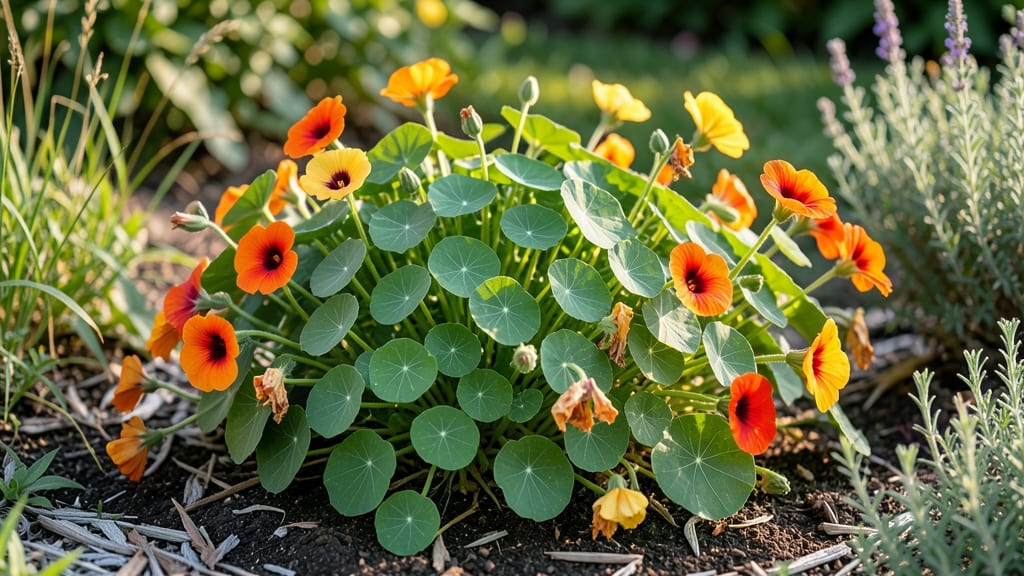
Nasturtiums flower when planted in spring, typically between May and October depending on your climate zone, with some varieties blooming as early as 6 weeks after sowing.
If you’ve ever wondered why your nasturtiums seem to bloom at different times each year—or why your neighbor’s plants are already in full color while yours are still sprouting—understanding the bloom timeline by climate zone is the key to unlocking vibrant, year-round flowers.
These cheerful 🌸 flowers thrive in USDA Zone 6a and beyond, with cooler regions seeing later blooms, while warmer climates can enjoy nearly year-round color. The secret to extending their flowering season lies in proper care, like deadheading spent blooms and ensuring they get enough sunlight.
In this guide, you’ll discover the exact months nasturtiums bloom in your area, how to choose fast-flowering varieties, and simple tricks to keep them blooming all season long.
Nasturtium bloom timeline by USDA climate Zones
Nasturtiums are one of the most colorful and versatile annual flowers, but their bloom timing varies dramatically depending on your USDA hardiness zone.
Whether you're in the chilly Zone 3 or the warm Zone 11, knowing when to expect those vibrant orange, yellow, and red blooms helps you plan your garden for maximum impact.
Coastal areas often bloom earlier than inland regions due to milder winters, while high-altitude gardens may see delayed flowering.
Most nasturtium varieties take 4-6 weeks to flower after sowing, but climate zone and seasonal conditions shift this timeline significantly. In warmer zones (8-11), you might enjoy year-round blooms with proper care, while cooler zones (3-6) experience a shorter, more concentrated flowering period.
Understanding these patterns lets you time plantings for continuous color or harvest edible flowers at their peak.
Below is a month-by-month breakdown of nasturtium blooming across USDA Zones 3-11, including early, peak, and late-season stages. Use this as your guide to plan succession plantings or extend blooms through deadheading and seasonal adjustments.
| Zone | Early Blooms | Peak Blooms | Late Blooms | Notes |
|---|---|---|---|---|
| 3-4 (Cold) | Late June | July-August | Early September | Short season; sow after frost |
| 5-6 (Cool) | Mid-June | July-September | October (coastal) | Extended blooms in mild winters |
| 7-8 (Temperate) | May-June | June-October | November (coastal) | Year-round with succession sowing |
| 9-10 (Warm) | April-May | May-November | December (mild) | Blooms continuously with care |
| 11 (Hot) | March-April | April-December | Year-round | Heat-tolerant varieties thrive |
In Zones 3-4, nasturtiums are short-season wonders, typically blooming from late June through September. Plant seeds indoors 4-6 weeks before your last frost date (usually mid-April) to get a head start.
If you live in a cooler microclimate, opt for dwarf varieties like 'Alaska' or 'Tom Thumb'—they mature faster and handle brief cold snaps better.
Gardeners in Zones 5-6 enjoy a longer flowering window, with blooms starting as early as mid-June and lasting into October. Coastal areas in these zones may see extended fall color due to milder temperatures.
For inland regions, consider succession planting every 4-6 weeks to maintain continuous blooms. Mulch heavily in late summer to protect roots from temperature swings.
Zones 7-8 are ideal for nasturtiums, offering near year-round blooms with proper care. Early sowings in May produce flowers by June, while fall plantings in August can extend color into November. In humid climates, watch for powdery mildew—space plants 12-18 inches apart and water at the base to improve airflow. Deadhead spent blooms weekly to encourage prolonged flowering.
Warmer Zones 9-10 allow for bold, year-round displays if you sow seeds every 6-8 weeks. Start with early spring plantings in March, followed by summer and fall successions.
In Zone 10 and above, nasturtiums may self-seed aggressively—prune back in late winter to control spread. Heat-tolerant varieties like 'Empress of India' thrive in these climates and produce larger, showier blooms.
For Zone 11 gardeners, nasturtiums are perennial in mild winters, though they may go dormant during hot, dry periods. Plant in late winter (February) for spring blooms, then succession plant every 2 months to maintain color.
Use shade cloth in peak summer to prevent heat stress, which can cause bud drop. Fertilize lightly with fish emulsion in early spring to boost vigor.
Regional variations play a huge role in bloom timing. For example, San Francisco (Zone 9 coastal) nasturtiums may bloom 2-3 weeks earlier than those in Phoenix (Zone 10 inland) due to cooler ocean breezes.
Similarly, Denver (Zone 5) gardens might see delayed blooms compared to Seattle (Zone 8), where milder winters encourage earlier growth. Always check your local frost dates and microclimate when planning.
To maximize your nasturtium blooms, pair this timeline with proper sunlight (6+ hours daily) and well-draining soil. These low-maintenance plants reward patience with vibrant, edible flowers—perfect for salads, garnishes, or pollinator gardens.
Whether you're a beginner gardener or a seasoned pro, timing your plantings by zone ensures stunning, seasonal color** all year.
How to extend nasturtium blooms year-round: pruning and care tips
Nasturtiums naturally bloom from late spring through fall, but with the right care, you can coax them into flowering continuously for months. The key lies in understanding their growth habits and responding to seasonal changes.
Unlike many flowers, nasturtiums are self-sufficient once established, but they do need a little help to keep producing those vibrant, edible blooms all season.
If your nasturtiums seem to slow down after their first flush of flowers, it’s likely because they’re putting energy into seed production. By practicing regular pruning and adjusting your care routine, you can trick them into focusing on blooms instead.
The best part? These techniques work for both container gardens and in-ground plantings, making them perfect for urban balconies or traditional backyard beds.
- 🌱 Early Bloomers: 6-8 weeks after sowing (spring varieties)
- ☀️ Peak Season: June-August (USDA Zones 7-10)
- ❄️ Late Bloomers: September-October (cooler zones, Zone 3-6)
- 🌿 Year-Round Potential: With care, can bloom in mild winters (Zones 8-11)
- ⏰ Daily Care: Deadhead spent blooms to encourage 2-3 weeks of continuous flowering
Start by deadheading your nasturtiums every 2-3 days during peak bloom season. Simply pinch off faded flowers just above a set of leaves using your fingers or clean pruners. This redirects the plant’s energy from seed production back to creating new buds.
I like to do this first thing in the morning when the flowers are still crisp, as it gives the plant the whole day to recover and focus on growth.
For extended blooming, pay attention to sunlight. Nasturtiums thrive in full sun (6+ hours daily), but in hot climates, they may benefit from afternoon shade to prevent bolting. If your plants are in partial shade, they’ll still produce flowers, but the blooms may be smaller and less frequent.
A simple trick is to move container-grown nasturtiums to sunnier spots as the season progresses.
Seasonal soil amendments make a huge difference. In spring, mix in compost to give your plants a nutrient boost. By mid-summer, switch to a light application of balanced fertilizer (5-10-10) to support continuous blooming.
In fall, reduce watering slightly and avoid fertilizing—this helps harden off the plants for cooler weather. For winter blooming in mild climates, mulch heavily to protect roots and provide consistent moisture.
Don’t forget about watering habits. Nasturtiums are drought-tolerant once established, but they’ll reward you with more blooms if you keep the soil consistently moist (not soggy). Water at the base of the plant in the morning to prevent fungal issues, and avoid wetting the leaves.
In containers, they may need daily watering during heatwaves, while in-ground plants can go 3-5 days between waterings.
With these simple adjustments, your nasturtiums can keep blooming from early spring until frost, providing a stunning display of color and even edible flowers for your kitchen.
The best part? These techniques take less than 10 minutes a week and require no special tools—just your hands and a little attention to detail. Happy gardening! 🌿