
Flowers
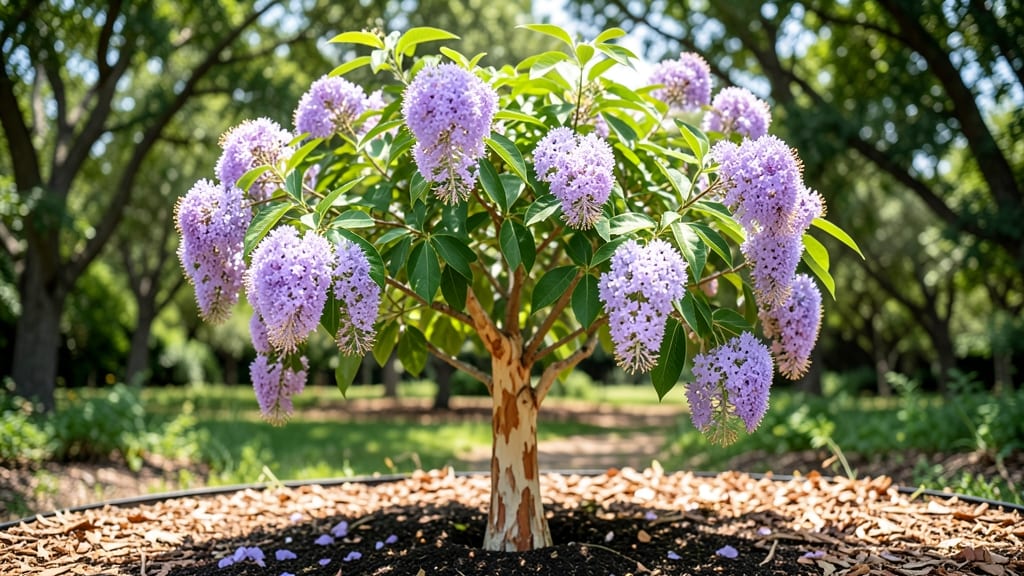
A tree bursting with little purple flowers 🌸 transforms any garden into a fragrant, dreamy escape—just ask anyone who’s fallen in love with a lilac bush.
Imagine a fragrant, vibrant tree bursting with delicate purple blooms every spring—yet it thrives with minimal fuss. The lilac bush (Syringa vulgaris) is a gardener’s dream, offering timeless beauty and low-maintenance charm. But how do you keep it flourishing year after year?
These show-stopping shrubs aren’t just pretty—they’re versatile, fitting seamlessly into borders, focal points, or even as a standalone statement piece. With the right care, your lilac can reward you with decades of blooms, making it one of the most reliable choices for purple-flowering trees.
In this guide, we’ll cover everything from selecting the perfect variety for your space to pruning tips that ensure bigger, healthier blooms every season. Let’s get started!
Identifying and selecting the best lilac varieties for purple flowers
If you're dreaming of a tree with little purple flowers that fills your garden with fragrance and color, lilacs are the perfect choice. These purple-flowering shrubs come in countless varieties, each offering unique heights, fragrance levels, and bloom times.
The key is selecting the right cultivar to match your climate zone and garden style—whether you want a compact shrub for small spaces or a tall specimen for borders.
Not all lilacs produce purple blooms—some lean toward lavender, pink, or white. But the purple varieties stand out for their rich hues and intoxicating scents. Below, I’ll break down the top lilac cultivars with purple flowers, their growth habits, and how to choose the best fit for your yard.
Whether you're a beginner or a seasoned gardener, these fragrant purple lilacs will elevate your landscape effortlessly.
🌸 Comparison Table: Top Purple Lilac Varieties
The 'Katherine Havemeyer' lilac is a classic choice for purple-flowering trees, boasting deep purple blooms that appear in late spring. This variety thrives in USDA zones 3-7 and reaches heights of 8-12 feet, making it ideal for garden borders or as a specimen plant.
Its strong fragrance will draw bees and butterflies while filling your yard with a sweet, intoxicating scent.
If you're working with limited space, the 'Miss Kim' lilac is a game-changer. This compact purple lilac grows only 3-6 feet tall and is perfect for containers or small gardens.
It’s also one of the hardiest lilacs, thriving in zones 4-8, and its lavender-purple blooms appear slightly earlier than other varieties. The trade-off? Its fragrance is moderate compared to heavier-scented types.
For a low-maintenance purple lilac that tolerates drought and heat, consider the 'Dwarf Korean' variety. This 3-6 foot shrub produces delicate purple-pink flowers and is perfect for rock gardens or hedges.
It’s also disease-resistant, making it a top pick for beginner gardeners. However, its fragrance is light, so if scent is a priority, pair it with a more fragrant variety nearby.
If you love wild, natural gardens, the 'Neglecta' lilac is a standout. This 6-10 foot shrub features dark purple blooms that resemble wildflowers and thrives in zones 3-7. Its strong fragrance and loose, airy growth habit make it a favorite for cottage-style gardens.
Just be prepared for its sprawling habit, which may require occasional pruning to keep it in check.
Lastly, the 'President Lincoln' lilac is a fragrance powerhouse with purple-blue blooms that appear in late spring. This 10-12 foot shrub is perfect for creating a fragrance focal point in your garden and thrives in zones 3-7
Step-by-Step lilac bush planting and pruning guide for optimal growth
Planting a lilac bush (Syringa vulgaris) is simpler than you think, but getting the basics right ensures decades of vibrant purple blooms. Start by choosing a sun-drenched spot—these bushes crave 6+ hours of sunlight daily—and well-draining soil.
Avoid soggy areas, as lilacs hate "wet feet," which can lead to root rot. If your soil is heavy clay, amend it with compost or sand to improve drainage before planting.
The best time to plant lilacs is in early spring or fall, when temperatures are mild. This gives roots time to establish before extreme heat or cold. Dig a hole twice as wide as the root ball but no deeper—planting too deep can suffocate the roots.
Gently loosen the roots if they’re circling, then place the bush in the hole, backfilling with native soil mixed with compost.
🌱 Lilac Planting & Pruning Checklist
- ✅ Step 1: Choose a sunny, well-draining spot with 6+ hours of sunlight.
- ✅ Step 2: Dig a hole twice as wide as the root ball, no deeper.
- ✅ Step 3: Amend heavy soil with compost or sand for better drainage.
- ✅ Step 4: Plant in early spring or fall for best root establishment.
- ✅ Step 5: Water deeply after planting and mulch around the base (avoid touching the trunk).
- ✅ Step 6: Prune immediately after planting to remove dead or damaged branches.
- ✅ Step 7: Light pruning in late spring (after blooms fade) to shape the bush.
- ✅ Step 8: Renewal pruning every 3-5 years to rejuvenate overgrown bushes.
After planting, water deeply to settle the soil and encourage root growth. Apply 2-3 inches of mulch around the base (but keep it 6 inches away from the trunk to prevent rot).
This helps retain moisture and suppress weeds. Lilacs are drought-tolerant once established, but young plants need regular watering—about 1-2 gallons per week during the first growing season.
Pruning is where many gardeners go wrong, but lilacs are forgiving if you follow the rules. The key is timing: prune right after flowering (late spring) to avoid cutting off next year’s blooms, which form on old wood.
Use clean, sharp pruners to make cuts at a 45-degree angle, just above a bud. Remove dead, crossing, or weak branches first, then thin out the center to improve airflow and light penetration.
If your lilac is overgrown, don’t panic—renewal pruning can revive it! In early spring, cut back one-third of the oldest stems to the ground. This encourages new growth and keeps the bush compact and healthy.
Over time, rotate which stems you prune to maintain a balanced shape. With proper care, even an overgrown lilac can bloom beautifully again in just a few years.
For maximum blooms, feed your lilac in early spring with a balanced fertilizer (10-10-10). Avoid heavy feeding in summer, as it can stimulate tender new growth that may not survive winter.
And remember—less is more with lilacs. They thrive with minimal fuss, so focus on good soil, sunlight, and occasional pruning for a lifetime of purple perfection.