
Flowers
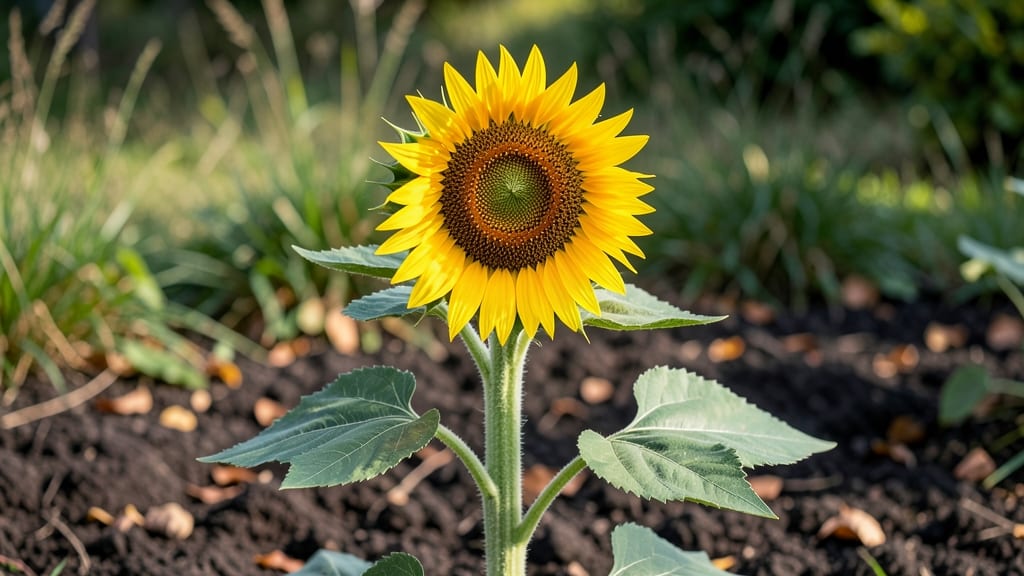
Sunflowers take anywhere from 50 to 120 days to bloom, depending on the variety and growing conditions — a timeline that can feel like an eternity when you’re eagerly waiting for those golden faces to turn toward the sun.
Picture this: you’ve just tucked those tiny seeds into warm soil in late April, dreaming of a summer garden bursting with 🌻 sunflowers towering over your fence. But by mid-July, your neighbors’ gardens are already showing off their blooms, while yours is still struggling to reach knee height. Frustrating, right?
The truth is, sunflower bloom times vary wildly—dwarf varieties like Teddy Bear can pop open in as little as 60 days, while giant Russian Giants might take 120 days or more.
Soil warmth, sunlight exposure, and even the specific variety play a huge role in how quickly your sunflowers reach their full, radiant glory.
In this guide, I’ll break down exactly what to expect from your sunflowers, how to speed up their growth, and why some varieties seem to take forever to bloom—plus, the one simple trick that can shave weeks off your wait time.
Sunflower bloom time by variety: fastest to slowest growing types
If you've ever wondered "how long do sunflowers take to bloom", the answer depends entirely on the variety you're growing. Some sunflowers burst into bright yellow blooms in just 50 days, while others take nearly four months to reach their full glory.
As someone who's grown everything from dwarf varieties in containers to 12-foot giants in my backyard, I've learned that timing isn't just about days—it's about matching the right variety to your growing season and climate goals.
The fastest sunflowers to bloom are perfect for late summer displays or container gardening, while the slowest varieties reward patient gardeners with stunning, towering blooms that become garden centerpieces. Understanding these timelines helps me plan my garden layout, succession plantings, and even when to harvest seeds for next year.
Let's break down the bloom times by variety so you can choose the perfect sunflower for your garden timeline.
| Variety | Height | Bloom Time (Days) | Ideal Planting Window | Best For |
|---|---|---|---|---|
| Teddy Bear (Dwarf) | 1-3 ft | 50-60 days | April-May (Zones 5-9) | Containers, cut flowers |
| Moulin Rouge | 3-4 ft | 60-70 days | March-June (Zones 4-10) | Early blooms, pollinators |
| Autumn Beauty | 4-5 ft | 70-80 days | April-June (Zones 3-9) | Long vase life, cut flowers |
| Russian Giant | 10-14 ft | 90-120 days | May (Zones 4-8) | Garden focal points |
| Mammoth | 12-16 ft | 100-120 days | Late April (Zones 3-7) | Tallest varieties, seed production |
| ProCut | 5-6 ft | 65-75 days | April-July (Zones 5-10) | Florist industry, long stems |
My Teddy Bear sunflowers always surprise me with their speed—those 50-day bloomers can go from seed to full bloom faster than most annuals I grow. I planted them in late April one year and had bright yellow faces greeting me by early June, perfect for cutting and arranging in vases.
These dwarf varieties are also my go-to for container gardening on patios because they don't need much space but still deliver that classic sunflower charm.
The Russian Giant variety, on the other hand, requires serious patience. When I first grew these 10-14 foot monsters, I nearly gave up after 60 days with no blooms—until suddenly, those massive flower heads appeared.
The 90-120 day bloom time means you need to plant them early, ideally in late April or early May in most climates, to get blooms before fall frost. I always stake these giants because their tall, slender stems can flop in wind or rain.
For those mid-range bloomers like Autumn Beauty or Moulin Rouge, I find they strike the perfect balance. These varieties bloom in 70-80 days, giving you time to enjoy summer blooms without waiting all season.
I particularly love Autumn Beauty because its multi-colored petals create stunning visual interest in my garden. These work well for cut flower arrangements that last for weeks in a vase.
If you're growing sunflowers for seed production, the Mammoth varieties are worth the wait. Their 100-120 day bloom time means you'll need to plan carefully, but the reward is huge seed heads perfect for bird feeders or saving seeds for next year.
I always plant a few Mammoths in my back corner garden bed where they can reach their full height without shading other plants. Just be prepared to wait—these aren't for impatient gardeners!
One tip I've learned is that soil temperature plays a huge role in bloom timing. In cooler climates (Zones 3-5), I plant my slowest varieties like Mammoths in May to give the soil time to warm up.
In warmer climates (Zones 8-10), I can push my planting window to as early as March for faster blooming. Always check your last frost date and aim to plant when soil temperatures reach at least 50°F—this helps ensure consistent germination and growth rates.
For container growing, I recommend sticking to the faster varieties like Teddy Bear or Moulin Rouge. These do well in 5-g
Critical factors that speed up or delay sunflower blooming
Sunflowers are famously fast growers, but their bloom timing can swing dramatically based on just a few key factors. Soil temperature tops the list—seeds need 50°F+ soil to sprout, and cooler temperatures slow everything down.
I’ve seen my Russian Giant varieties take 20 days longer to bloom when planted in 50°F soil versus 60°F soil.
Next up is sunlight exposure. While sunflowers thrive in full sun (6+ hours daily), even partial shade can delay blooming by 10-15 days. Last summer, my shade-loving neighbor’s Teddy Bear sunflowers bloomed a full week later than mine in full sun.
Watering frequency also plays a sneaky role. Overwatering can stunt growth, while drought stress during critical stages (like bud formation) pushes back blooms. I learned this the hard way when my Mammoth variety took 10 extra days to open after a dry spell in July.
Speed Up Blooming
Use black plastic mulch to raise soil temp by 10°F+
6+ hours daily cuts bloom time by 10-20 days
10-10-10 NPK applied at 4-6 week intervals
1-1.5 gallons morning-only prevents stress
Delay Blooming (Common Mistakes)
Below 50°F halts germination and growth
Reduces photosynthesis by 30-40%
Plants 18+ inches apart compete for nutrients
Nitrogen-heavy feed after bud stage delays blooms
One of the biggest surprises? Fertilizer type matters just as much as timing. A high-nitrogen feed (like lawn fertilizer) will give you leafy giants but no flowers. Switch to a balanced 10-10-10 and you’ll see buds forming 2-3 weeks faster.
For troubleshooting slow growth, start with a soil test. My Russian Giant sunflowers went from stagnant to 6 inches/week after I amended the soil with compost and phosphorus-rich bone meal. The key is matching your variety’s needs—dwarfs like Autumn Beauty bloom faster with less fertilizer.
Remember: even the slowest-growing varieties will bloom eventually, but why wait? With these adjustments, you could shave 30 days off your sunflower’s timeline—just in time for that summer photo op. 🌻