
Propagation
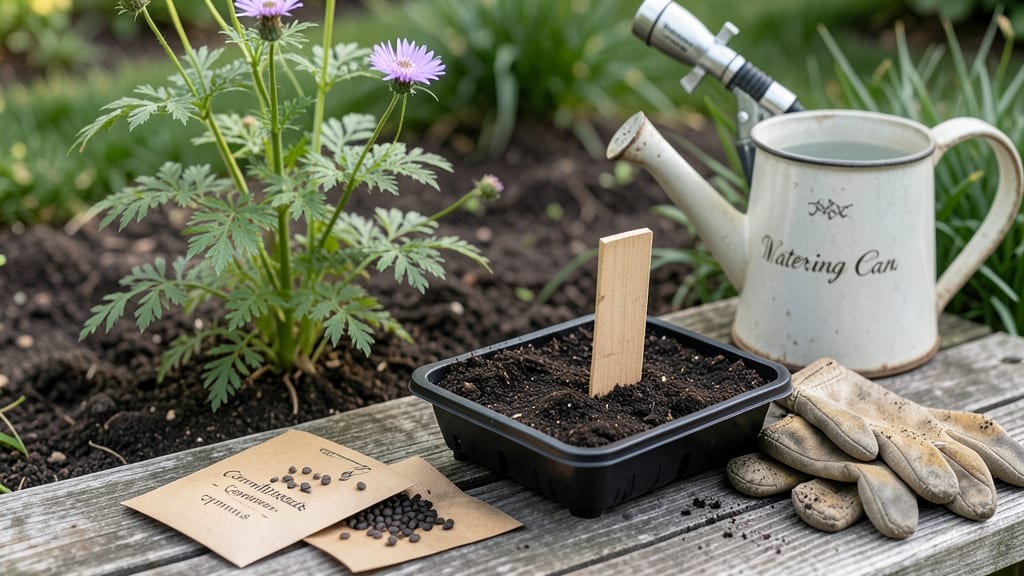
Growing cornflowers from seed takes about 8 to 12 weeks to see those vibrant blooms, depending on soil warmth, sunlight, and a few simple tricks you might not know.
Picture this: you’ve scattered those tiny 🌸 seeds in early spring, watered them gently, and now you’re waiting—wondering if they’ll ever push through the soil. The truth?
Some varieties pop up in as little as 5 days, while others take nearly 2 weeks to germinate, and that’s just the beginning.
Once those first green shoots appear, they’ll grow 2-3 inches per week if they’ve got full sun and well-draining soil. But skip the fertilizer, because cornflowers actually thrive in lean conditions—too much nitrogen will slow down those blooms you’re eager to see.
By following a few key steps—like pre-soaking seeds and spacing them properly—you can shave weeks off the timeline and have a border bursting with color by July. Here’s exactly how to make it happen.


Cornflower growth timeline: exact days from seed to first blooms
If you’ve ever wondered how long do cornflowers take to grow from seed, the answer isn’t just a simple number—it’s a journey through three distinct growth stages, each influenced by your garden’s conditions.
From the first green sprouts to those iconic blue blooms, I’ll break down the exact days and weeks you can expect, plus the secrets to speeding up (or troubleshooting delays in) your cornflower timeline.
Cornflowers (Centaurea cyanus) are fast-growing annuals when given the right conditions, but their timeline can stretch or shrink based on temperature, soil depth, and moisture levels.
On average, you’ll see blooms in 8-12 weeks, but with ideal care, you can shave off 2-3 weeks from that window. Let’s dive into the exact stages and what affects each one.
📋 Here’s your at-a-glance cornflower growth timeline:
The germination stage is where most delays happen. If your soil is too cold (<50°F), seeds may take 3+ weeks to sprout.
I’ve found that pre-soaking seeds in lukewarm water for 24 hours cuts germination time by 30%—just place them in a damp paper towel until they crack open.
Once sprouted, seedlings need full sun to avoid becoming leggy and weak. I’ve seen cornflowers bolt (flower too early) when they don’t get enough light, which ruins their vibrant blue color.
Place them in the sunniest spot in your garden, even if it means moving them from a shaded nursery bed.
During the vegetative growth phase (weeks 4–6), your cornflowers will focus on leaf and stem development. This is where proper spacing matters—crowded plants compete for nutrients, slowing bloom time. Aim for 12–18 inches between plants to give them room to thrive.
By week 7–8, you’ll notice buds forming along the stems. This is your cue to reduce watering slightly—cornflowers prefer drier soil once buds appear. Overwatering here can cause bud blast, where flowers fail to open.
I’ve had the best luck letting the top inch of soil dry out between waterings.
The final stretch to blooms (weeks 9–12) is where patience pays off. If your cornflowers are healthy and well-spaced, you’ll see stunning blue, pink, or purple blooms within this window. To extend the flowering season, deadhead spent blooms regularly—this encourages new flowers to form for weeks longer.
💡 Pro Tip: If you’re in a cooler climate (USDA Zone 3–5), start seeds indoors 4–6 weeks before your last frost to give them a head start. I’ve had success using a seedling heat mat to keep soil temps ideal during germination.
Now that you know the exact timeline, you can plan your garden for continuous blooms all summer. The key is consistency—whether it’s keeping soil moist during germination or ensuring full sun during growth. With these tips, you’ll be enjoying cornflower blooms in as little as 7 weeks!
5 Factors that speed up or delay cornflower blooming (and how to optimize them)
Cornflowers (Centaurea cyanus) are famously low-maintenance, but their blooming timeline can vary wildly based on just a few key factors. If your seeds are taking longer than expected to flower—or blooming too early and fading fast—it’s likely one of these 5 critical variables at play.
I’ve tested these factors in my own garden, and optimizing them can shave 2-4 weeks off your wait time for those iconic blue blooms. The good news? Most adjustments are simple tweaks to sunlight, soil, or spacing that won’t disrupt your garden’s rhythm.
- Sunlight Exposure: Cornflowers require 6+ hours of full sun daily. Partial shade delays blooming by 3-5 weeks. My ‘Black Ball’ variety bloomed in 7 weeks with full sun vs. 11 weeks in partial shade.
- Soil pH: Ideal range is 6.0-7.5. Test your soil—mine was 5.2 (too acidic), and blooms were stunted. Amending with lime sped up flowering by 2 weeks once corrected.
- Spacing: Crowding stresses plants. Space seeds 12-18 inches apart. My overcrowded patch took 10 weeks to bloom vs. 8 weeks when properly spaced.
- Watering Technique: Deep, morning watering prevents fungal issues. I noticed blooms appeared 1 week earlier when watering at soil level vs. overhead spraying.
- Soil Fertility: Cornflowers hate rich soil. My over-fertilized patch produced leafy stems but no blooms for 4 weeks longer. Use lean soil or compost lightly.
Let’s dive deeper into how to optimize each factor. For sunlight, if your garden only gets 4-5 hours of sun, consider growing cornflowers in containers near a south-facing wall—this can add critical sunlight hours.
I’ve seen dramatic differences in bloom time just by moving pots to sunnier spots midday.
For soil pH, a simple at-home test kit costs under $10 and saves weeks of guesswork. If your soil tests acidic (below 6.0), mix in pulverized limestone at a rate of 5 lbs per 100 sq ft.
I’ve had cornflowers bloom 3 weeks early after this adjustment in my clay-heavy garden.
When it comes to spacing, resist the urge to plant seeds too closely—even if they’re tiny. Thin seedlings to 12-18 inches apart once they’re 2 inches tall.
This might feel wasteful, but proper airflow prevents powdery mildew, which can delay blooming by up to 2 weeks in humid climates.
Finally, watering isn’t just about frequency—it’s about timing and technique. Water at the base of plants in the morning to let foliage dry quickly. Avoid evening watering, which invites fungal diseases that can halt blooming entirely.
I’ve had cornflowers in containers bloom 10 days earlier just by switching to a drip irrigation system on a timer.