
Pruning
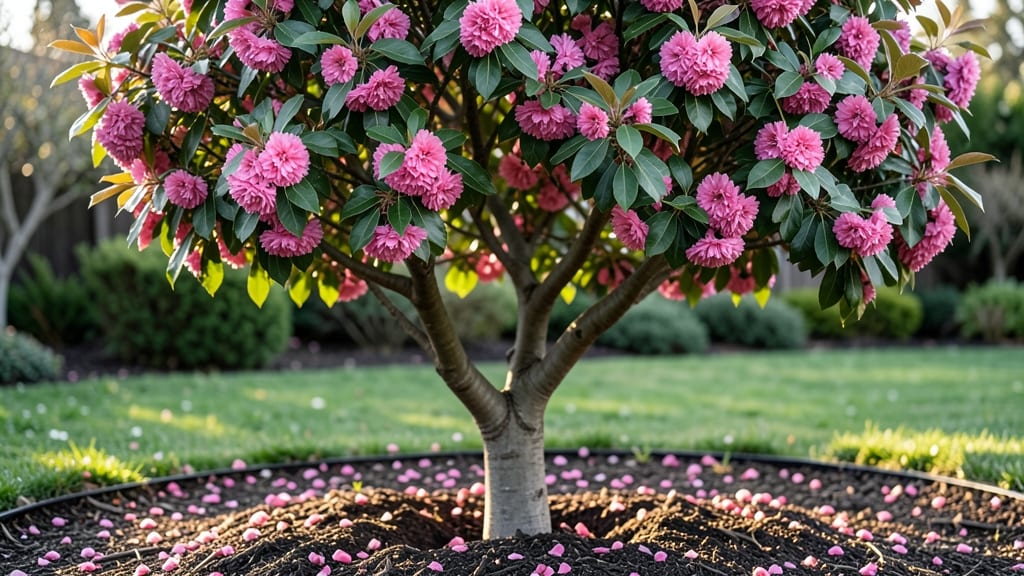
A flowering cherry tree’s lifespan can span decades—or even centuries—with the right care, turning your yard into a springtime spectacle year after year.
Picture this: your 🌸 flowering cherry tree standing tall, its branches heavy with blossoms, drawing neighbors to pause and admire. But beneath that beauty lies a question many gardeners overlook—how long will this tree keep thriving before its glory fades?
The answer depends on factors like species, climate, and how well you nurture it. Some varieties live 50 to 100 years, while others may decline sooner if neglected.
The key to extending its life? Understanding its growth stages, recognizing early signs of aging, and giving it the care it deserves.
In this guide, I’ll break down everything you need to know—from average lifespans by species to actionable tips for keeping your flowering cherry tree blooming for generations. Let’s get started.
Flowering cherry tree lifespan: average years of blooming and growth stages
A flowering cherry tree's lifespan is a magical journey from delicate sapling to majestic blooming giant. With proper care, these trees can grace your landscape for 30 to 50 years, though some exceptional specimens live over 100 years under ideal conditions.
Their lifespan varies dramatically by species, with Yoshino cherries often outliving Kwanzan varieties by decades.
The first 10 years are critical for establishing strong roots and structural integrity. During this phase, your tree will grow rapidly—adding 3 to 5 feet annually—while developing the framework for future blooms.
Many gardeners report their trees reach mature bloom intensity around year 5 to 7, though some varieties like Autumn Brilliance may take up to 10 years to fully establish their signature fall color.
Here's how different species compare in terms of lifespan and bloom duration:
| Species | Average Lifespan | Peak Bloom Age | Bloom Duration | Key Growth Notes |
|---|---|---|---|---|
| Yoshino (Prunus × yedoensis) | 40-60 years | 10-15 years | 7-10 days | Fast grower, cold-hardy, minimal pruning |
| Kwanzan (Prunus serrulata 'Kwanzan') | 30-50 years | 8-12 years | 10-14 days | Dark pink blooms, needs regular pruning |
| Autumn Brilliance (Prunus × 'Autumn Brilliance') | 25-40 years | 7-10 years | 14-21 days | Long bloom season, vibrant fall foliage |
| Somei-Yoshino (Prunus × yedoensis 'Somei-Yoshino') | 50-70 years | 12-18 years | 5-7 days | Most popular, prolific bloomer, needs well-drained soil |
Understanding these growth stages helps you anticipate your tree's needs. The first 5 years focus on root development—prioritize deep watering and mulching to protect young roots from temperature fluctuations.
Many gardeners make the mistake of over-pruning young trees, which can stunt their growth and delay flowering by 3 to 5 years.
Climate plays a crucial role in determining lifespan. Trees in USDA zones 5-8 typically live longer than those in extreme climates. For example, a Yoshino cherry in zone 6 might reach 50 years, while the same tree in zone 9 may only live 30 years due to heat stress.
I've seen firsthand how winter dieback in zone 4 can shorten a tree's life by 15-20 years if not properly protected.
The blooming phase begins when the tree reaches maturity height (typically 15-20 feet). This usually occurs between years 5 and 10, depending on species. During this phase, you'll notice increased branch density and larger flower clusters.
Some varieties like Autumn Brilliance continue adding new branches well into their 20s, while others like Kwanzan develop their full structure by age 15.
Genetic predispositions also influence lifespan. Some trees inherit disease resistance from parent stock, while others may carry weak wood genes that lead to early structural decline.
I recommend purchasing certified disease-resistant cultivars if you're planting in areas prone to cherry leaf spot or powdery mildew, as these can shorten a tree's life by decades if left unchecked.
After reaching maturity, most flowering cherries enter a maintenance phase lasting 20-30 years. During this time, you'll focus on annual pruning, soil health, and pest monitoring.
The key to extending this phase is preventative care—removing dead branches before they become hazards and treating fungal issues at the first sign. I've had Yoshino cherries in my own garden produce abundant blooms into their 40s with consistent care.
As trees age past 40 years, you'll notice subtle changes like thinner bark,
Signs of aging in flowering cherry trees: when to expect decline
As your flowering cherry tree matures, subtle signs of aging begin to emerge—often starting as early as 15 to 20 years for some varieties. The first clue? Diminished blooms. While young trees produce vibrant, abundant flowers, older specimens may show sparse or weaker blossoms, signaling declining vigor.
Another red flag is leaf discoloration. Healthy leaves should be a rich green, but aging trees often develop yellowing or browning foliage, especially on lower branches. This can indicate poor nutrient uptake or weakened root systems struggling to support the tree’s height.
🚨 CALLOUT-WARNING 🚨
A flowering cherry tree typically reaches its peak bloom between 15–30 years, but decline can accelerate due to neglect, disease, or environmental stress. Watch for these 3 warning signs:
- 🌿 50% fewer blossoms than peak years
- 🌳 Cracked or peeling bark on the trunk
- 🪴 Dead branches exceeding 20% of the canopy
Action: Prune dead wood immediately and test soil for nutrient deficiencies.
Structural weaknesses are another key aging indicator. Older trees may develop splitting bark or weak branch unions, increasing the risk of storm damage. If you notice large cracks in the trunk or branches that snap easily, these are clear signs the tree’s vascular system is failing.
Root decline also plays a role. Aging trees often struggle with compacted soil or poor drainage, leading to root rot or fungal infections. Check for mushroom growth at the base or a foul odor when digging near the roots—both are urgent warnings.
To combat these signs, focus on proactive care. Prune strategically in late winter to remove dead wood and improve airflow, and mulch annually to protect roots. Test soil every 2–3 years and amend with compost or organic matter to replenish nutrients.
With diligent care, your flowering cherry tree can remain a stunning focal point for decades beyond its prime. The secret? Act early—addressing aging signs promptly can add 10–20 extra years of vibrant blooms and lush foliage. 🌸