
Blooming
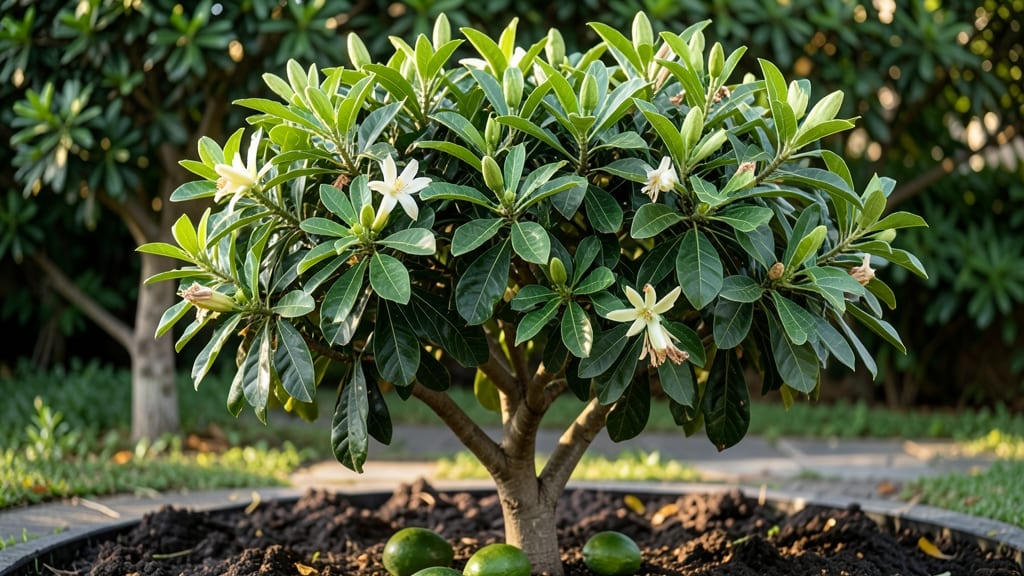
Understanding the avocado flower stages is the game-changer for turning blooms into fruit, even if you’re new to growing 🥑.
Did you know avocado trees produce two distinct types of flowers, yet only one leads to fruit—unless you understand their precise stages? Mastering these phases is the key to unlocking a bountiful harvest, even for beginners.
From tiny buds to the critical pollination window, each stage plays a role in whether your tree will bear fruit or just pretty blossoms. I’ll walk you through the visual cues, timing tricks, and what to watch for to maximize your chances.
By the end, you’ll know exactly how to spot healthy flowers, time your pollination efforts, and troubleshoot common mistakes—so you can go from blooms to harvest with confidence.
Avocado flower stages explained: type a vs Type B flowering cycles
Understanding your avocado tree's flowering cycles is the secret to a fruitful harvest. Most avocado varieties produce two distinct flower types: Type A and Type B, each with unique blooming patterns.
These differences mean timing is everything—if you miss the window, you might end up with flowers but no fruit. The key lies in recognizing each type's monthly blooming schedule and how they complement each other for successful pollination.
Type A and Type B flowers don't bloom simultaneously, which is why cross-pollination between compatible trees is essential. One tree might produce Type A flowers in May, while its neighbor blooms Type B flowers in June.
Without this coordination, your tree’s efforts go to waste. Even if you have just one avocado tree, knowing these stages helps you hand-pollinate effectively or choose the right companion plants to attract pollinators.
Visual identification is your first step. Type A and Type B flowers look nearly identical at first glance, but their internal structures and blooming triggers differ. Type A flowers typically appear first in late winter to early spring, while Type B flowers follow 4-6 weeks later. Recognizing these patterns allows you to time your pollination efforts perfectly, whether you're relying on bees or doing it manually.
If you're growing just one avocado tree, you might wonder how to ensure pollination. The answer lies in understanding the 24-hour window for each flower type. Type A flowers release pollen in the morning hours, while Type B flowers are receptive to pollen during late morning.
This means if you're hand-pollinating, you’ll need to time your efforts carefully—collecting pollen from one type and applying it to the other within this narrow window.
For outdoor growers, bee activity is your best ally. Bees naturally seek out flowers in bloom, but they may not always visit both types in the right sequence. Planting bee-friendly companion plants like lavender or sunflowers near your avocado tree can boost pollination rates by attracting more pollinators.
Even indoor growers can mimic this by placing a small bee-friendly garden near their tree’s flowering branch during the blooming season.
One common mistake is assuming all flowers will produce fruit. In reality, only about 5-10% of pollinated flowers will develop into mature avocados. This is why maximizing pollination efficiency is crucial.
By recognizing the visual cues of each flower type—like the pale yellow-green hue of Type A versus the bright yellow of Type B—you can prioritize pollination efforts on the most receptive flowers, increasing your chances of a successful harvest.
Seasonal triggers also play a role in blooming patterns. Type A flowers often appear after a cool winter, while Type B flowers may bloom in response to warmer spring temperatures. If you're in a region with unpredictable weather, you might need to supplement natural pollination with manual methods.
This is especially true for indoor trees, where environmental conditions are more controlled but pollinators are absent.
For those growing dwarf or container avocado trees, the flowering cycle might be slightly delayed or less predictable. In these cases, keeping a gardening journal to track blooming dates and flower types can help you anticipate pollination needs year after year. Note the monthly blooming patterns and any
How to identify each avocado flower stage by visual clues
Spotting the right avocado flower stages can mean the difference between a tree full of blooms and one bearing fruit. Each phase reveals clues about your tree’s health and readiness for pollination.
Start by examining the bud formation, where tiny green bumps appear along branches—this is your first sign that flowering is about to begin.
The transition from bud to bloom is subtle but critical. Look for petal color shifts from pale green to creamy white or yellow. This shift signals the flower is opening, and you’ve entered the 24-hour pollination window. Missing this window means lost opportunities for fruit development.
Here’s how to identify each stage with precision:
- 1 Bud Formation Stage: Tiny green or red buds appear along branches. Check for swollen nodes—these indicate new flower development.
- 2 Early Bloom Stage: Petals shift from green to creamy white or pale yellow. The stamens (male parts) begin to emerge, signaling readiness for pollinators.
- 3 Full Bloom Stage: Flowers are fully open with bright yellow or white petals. This is the critical 24-hour window for pollination—act fast if you’re hand-pollinating!
- 4 Post-Pollination Stage: Petals begin to droop and fall, leaving behind tiny green fruit bumps. If no pollination occurred, flowers will wilt and drop entirely.
Avoid the common mistake of assuming all flowers are female flowers. Avocado trees produce both Type A and Type B flowers, but only one type will set fruit without cross-pollination.
Type A flowers bloom in late spring, while Type B flowers appear in summer or early fall—planting both types nearby ensures better fruit production.
Pay attention to the stamen development in male flowers. They’ll have long, prominent stamens, while female flowers will show a small ovary at the base. If you’re hand-pollinating, focus on transferring pollen from male to female flowers during the full bloom stage.
Finally, keep an eye out for pest or disease signs during each stage. Yellowing petals or black spots can indicate fungal issues, while chewed petals may mean pests are interfering with pollination. Address these early to protect your tree’s fruit potential.