
Flowers
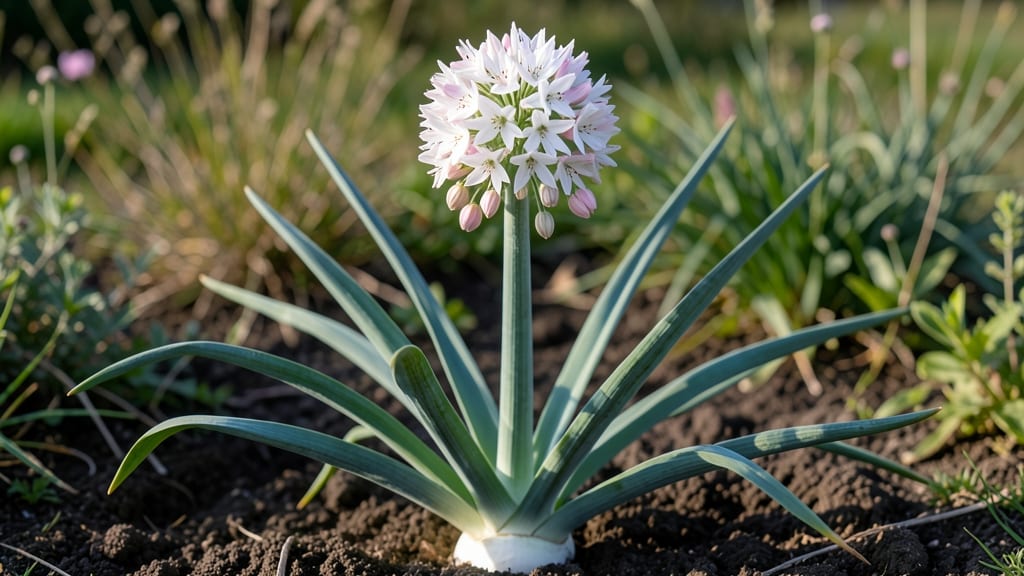
Wild leek flowers bring a touch of woodland magic to your garden 🌱, with their delicate star-shaped blooms and subtle onion-garlic aroma that pollinators adore.
Picture this: a shady corner of your yard transformed into a fragrant haven where every bloom is edible, ready to elevate salads, teas, or even cocktails with a unique twist. These flowers aren’t just pretty—they’re a secret ingredient waiting to be discovered.
Beyond their culinary charm, wild leek flowers thrive in partial shade, making them perfect for understory plantings or native garden designs where they’ll blend seamlessly with ferns, hostas, and other shade-loving companions.
In this guide, I’ll show you how to spot these edible blooms, pair them with other perennials for a low-maintenance meadow vibe, and even use them to attract bees and butterflies to your garden.
How to identify and harvest wild leek flowers for cooking
Wild leek flowers, also called ramps or Allium tricoccum, are a forager’s treasure with delicate pinkish-purple blooms that add beauty and flavor to dishes. But before you harvest, it’s critical to distinguish them from toxic look-alikes like wild garlic or death camas.
These flowers thrive in moist, shaded forests from late spring to early summer, making them a seasonal delicacy worth seeking out.
Identifying wild leek flowers starts with examining the entire plant. True wild leeks have two broad, flat leaves and a single stem with round flower clusters. The flowers themselves are small, star-shaped blooms in shades of pink, purple, or white.
Unlike toxic species, wild leeks emit a mild onion-garlic scent when crushed—an essential clue for safe identification.
Timing your harvest is crucial. The best time to collect wild leek flowers is just as they begin to open, typically in May or June, depending on your location.
Harvesting too early means underdeveloped blooms, while waiting too long can result in overripe or seed-producing flowers, which may have a stronger flavor. Always prioritize sustainable foraging by leaving at least 70% of the plant population undisturbed.
Now, let’s walk through the step-by-step process of identifying and harvesting wild leek flowers safely and responsibly.
Step-by-Step Guide to Harvesting Wild Leek Flowers
- Locate the Plant: Search moist, shaded forests or wooded areas in early spring for clusters of two broad leaves. Wild leeks grow in colonies, making them easier to spot once you know what to look for.
- Confirm Identification: Crush a single leaf to test for the mild onion-garlic aroma. If it smells sweet and pungent, it’s likely a wild leek. Avoid plants with yellowing leaves or white, bell-shaped flowers (a sign of toxic death camas).
- Check Flower Stage: Look for tight, unopened buds in shades of pink or purple. The flowers should be just beginning to bloom—this ensures the best flavor and texture. Overripe flowers may be bitter or seedy.
- Use Proper Tools: Equip yourself with a small knife or pruning shears to avoid damaging the plant. Cut the flower stem at the base, leaving the leaves intact to ensure the plant can photosynthesize and regrow.
- Harvest Sustainably: Never take more than 10-15% of the flowers from a single patch. Leave at least 3-4 healthy plants per square yard to ensure the population thrives. Avoid harvesting in protected natural areas where foraging may be restricted.
- Store Properly: Gently rinse the flowers with cool water to remove debris, then pat them dry. Store them in a paper bag in the refrigerator for up to 5-7 days or freeze them for longer storage. For drying, tie small bundles and hang them in a dark, well-ventilated space for 1-2 weeks.
When harvesting wild leek flowers, always follow the “leave no trace” principle. This means avoiding trampled vegetation, packing out all waste, and respecting private property or protected lands.
If you’re unsure about a plant’s identity, consult a local foraging guidebook or join a foraging group to learn from experienced foragers. Remember, misidentification can be dangerous, so when in doubt, skip it!
Wild leek flowers are highly perishable, so use them promptly in recipes. Their delicate flavor pairs beautifully with light salads, herbal teas, or as a garnish for soups.
You can also blanch and freeze the flowers for later use in infused oils or vinegars. Just be sure to avoid overharvesting to protect these wild edibles for future seasons.
If you’re new to foraging, start small by harvesting only what you need for a single recipe. This practice not only preserves the plant population but also helps you build confidence in identification.
Over time, you’ll develop a keen eye for spotting wild leeks and their edible blooms in the wild.
For those interested in growing wild leeks at home, consider dividing mature clumps in early spring or fall. Plant them in shaded, moist areas of your garden to encourage robust growth and flowering.
With patience, you can enjoy a sustainable supply of wild leek flowers without relying on foraging.
Always check local regulations before harvesting wild plants, as some areas restrict foraging to protect native ecosystems. When done responsibly, harvesting wild leek flowers can be a rewarding and delicious experience that connects you to nature’s bounty.
Culinary uses of wild leek flowers: 5 creative recipes and pairings
Wild leek flowers (Allium tricoccum) transform dishes from ordinary to extraordinary with their subtle onion-garlic notes and delicate floral aroma. These edible blooms aren’t just for show—they’re a versatile ingredient that can brighten everything from spring salads to herbal infusions.
Their mild, sweet flavor makes them perfect for home cooks looking to add a foraged touch without overpowering other ingredients.
Harvested at peak bloom, these star-shaped flowers pack a nutrient-rich punch, including vitamins A and C. The key is to use them fresh—whether as a garnish, infusion base, or even a tea—before their flavor fades.
I’ve experimented with wild leek flowers in five unexpected ways, all designed to highlight their unique taste while keeping prep simple.
- 1 Floral-Infused Honey: Steep blooms in warm honey for 24 hours to create a sweet-onion syrup perfect for drizzling over yogurt or cheese boards.
- 2 Herbal Vinegar: Combine chopped flowers with apple cider vinegar for a bright, tangy dressing that pairs beautifully with goat cheese or grilled vegetables.
- 3 Spring Salad Topper: Toss whole or halved flowers over mixed greens with lemon vinaigrette for a crunchy, aromatic finish.
- 4 Pollinator-Friendly Tea: Dry and steep flowers in hot water for an earthy, caffeine-free tea that doubles as a bee attractant when left outside.
- 5 Garnish for Cocktails: Float a single flower on gin-based drinks or sparkling water for a whimsical, edible garnish with a subtle savory kick.
For best results, always harvest flowers in the morning when their flavors are most concentrated. Pair them with complementary herbs like chives, dill, or mint to enhance their natural sweetness. A little goes a long way—start with just 2-3 flowers per serving to avoid overpowering your dish.
Wild leek flowers also play well with earthy roots like carrots, beets, or potatoes, creating a harmonious balance of flavors. Try adding them to roasted vegetable medleys or wild rice bowls for a foraged twist that feels luxurious yet simple.
Their delicate petals also make stunning edible confetti for celebratory dishes.
Pro tip: If you’re growing wild leeks in your garden, encourage flowering by keeping the plants well-watered and avoiding heavy fertilization—this ensures sweeter, more flavorful blooms.
With a little creativity, these woodland flowers can become a year-round staple in your kitchen, from spring salads to winter infusions made with dried flowers.
🌿