
Flowers
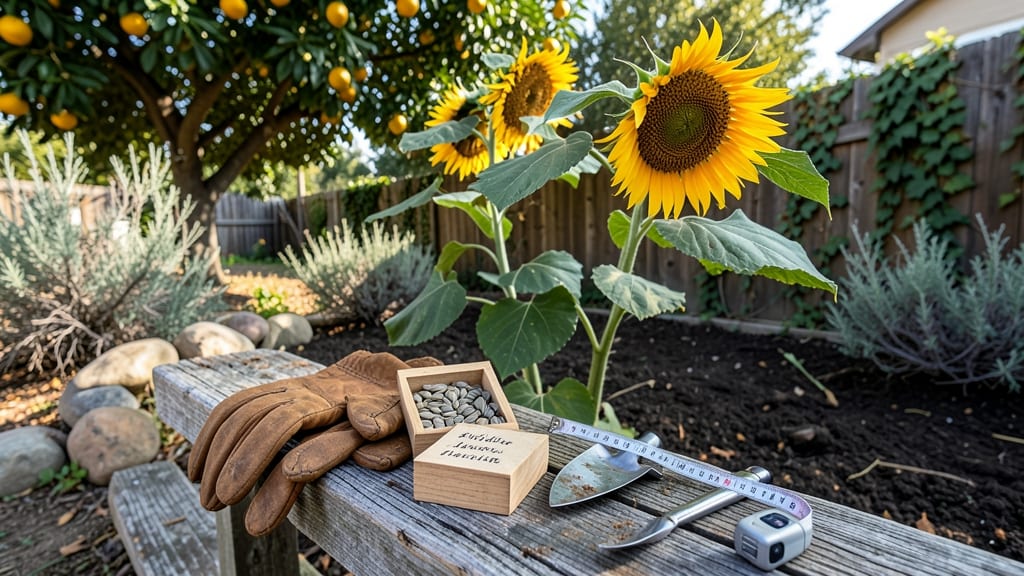
Planting sunflowers in San Diego means timing them right to avoid the brutal summer heat that can stunt growth or even kill young plants.
You might think a frost-free zone like 10a-10b means you can plant anytime, but the real challenge is heat stress. The best window is actually late winter to early spring—just as the soil warms but before temperatures climb past 85°F.
Sunflowers 🌻 love the sun, but they need a little breathing room when it’s scorching. Planting too early can leave them struggling in cool soil, while planting too late risks bolting or weak stems.
I’ll show you exactly when to start seeds indoors or sow directly for the most vibrant blooms.
Whether you’re growing towering giants or compact varieties, this guide covers the perfect frost-free timing for San Diego’s microclimates—plus how to stretch your growing season for fall harvests.
Best planting months for sunflowers in San Diego’s warm climate
San Diego’s Zone 10 climate gives you the unique advantage of planting sunflowers year-round, but timing still matters. Unlike colder regions, you won’t face frost damage, but heat stress can stunt growth if planted during peak summer.
The sweet spot? Late winter to early spring (February-March) for most varieties, with fall planting (September-October) as a great backup for cooler weather.
Sunflowers are fast growers (60-90 days to maturity), so your goal is to avoid the hottest summer months (June-August) when temperatures often exceed 90°F. Young plants struggle in extreme heat, leading to bolting issues or weak stems.
Instead, aim for soil temperatures between 60-75°F—ideal for germination and steady growth.
| Variety | Best Planting Window | Soil Temp Threshold | Heat Stress Risk |
|---|---|---|---|
| Giant (e.g., 'Mammoth') | Feb–Mar or Sep–Oct | 60–75°F | High (June–Aug) |
| Dwarf (e.g., 'Teddy Bear') | Jan–Apr or Aug–Sep | 55–70°F | Medium (May–Sep) |
| Bird-Friendly (e.g., 'Autumn Beauty') | Mar–Apr or Oct–Nov | 60–75°F | Low (Spring/Fall) |
For giant sunflowers, like 'Mammoth', February-March planting is ideal. These varieties need 90+ days to mature, so starting them early ensures they bloom before summer’s peak heat. If you miss this window, September-October planting works too—just expect smaller blooms due to shorter daylight in late fall.
Dwarf varieties, such as 'Teddy Bear', are far more flexible. They tolerate warmer soil temperatures (55–70°F) and can be sown as late as August-September for fall blooms.
These are perfect for container gardening or small spaces, as they reach only 1–3 feet tall but still attract pollinators like bees and birds.
If you’re growing sunflowers for wildlife, like hummingbirds or finches, opt for bird-friendly varieties like 'Autumn Beauty'. Plant these in March-April for summer blooms or October-November for late-season color. These varieties often have longer vase life and disease resistance, making them low-maintenance choices.
San Diego’s microclimates also play a role. Coastal areas stay cooler year-round, while inland zones can hit 100°F+ in summer. If you’re in a hotter inland area, use shade cloth for young plants or plant in partial shade during the hottest afternoon hours.
Mulching with straw or wood chips helps retain moisture and regulate soil temperature.
One common mistake is assuming sunflowers can handle any time of year. While they’re frost-free, seed germination slows below 50°F, and heat stress above 95°F can cause flowers to bolt prematurely (sending up stems without blooming).
To avoid this, pre-soak seeds for 24 hours before planting in cooler months, and always water deeply at the base to encourage strong root growth.
For extended harvests, try a staggered planting strategy: sow a batch every 2–3 weeks from February through April. This ensures continuous blooms from May through October, giving you fresh cut flowers or seeds for bird feeders.
Just be sure to thin seedlings to 12–18 inches apart (closer for dwarfs) to prevent competition.
Pro tip: Test your soil temperature before planting using a soil thermometer (available at local nurseries like Sunset Nursery or Bella Garden Center). Aim for 60°F+ for reliable germination. If your soil is too cold, wait a week or use a black plastic mulch to warm it faster.
With the right timing, your sunflowers will reward you with vibrant blooms and even edible seeds—all while supporting local ecosystems. Happy planting! 🌻
How to adjust planting time for sunflower varieties in San Diego
San Diego’s frost-free climate lets you grow sunflowers year-round, but timing still matters. Tall varieties like 'Russian Giant' need cooler starts, while dwarf types like 'Teddy Bear' tolerate summer heat better. I’ll show you how to time plantings for maximum blooms—whether you’re starting seeds indoors or sowing directly outdoors.
For spring blooms, begin sowing tall sunflowers in late January to early February—before soil temps hit 80°F+. Dwarf varieties can wait until March or April when nights cool slightly. This avoids heat stress that stunts growth in peak summer months.
| Variety Type | Indoor Start (Weeks Before Outdoor) | Direct Sow (Outdoor Month) | Fall Extension (For Late Blooms) |
|---|---|---|---|
| Tall (6-14 ft) | 6-8 weeks | February-March | August-September |
| Dwarf (1-3 ft) | 4-6 weeks | March-April | September-October |
| Bird-Friendly | 5-7 weeks | February-March | July-August |
To extend blooms into fall, sow dwarf varieties in August or September when temps dip below 90°F. Tall types can handle late summer sowing (July) if given extra water and afternoon shade during heatwaves. I’ve had 'Moulin Rouge' bloom in November with this method!
For indoor starts, use grow lights to germinate seeds 6-8 weeks before outdoor planting. Place trays near a south-facing window once sprouted. Hardening off takes 7-10 days—gradually expose seedlings to outdoor conditions to avoid shock.
Pro tip: Mulch heavily after sowing to retain moisture. In San Diego’s sandy soil, mulch with straw or wood chips to prevent rapid drying. I’ve seen 30% faster growth in mulched beds versus bare soil.
Remember: Sunflowers hate transplant shock. If starting indoors, use biodegradable pots to avoid root disturbance. For direct sowing, plant seeds 1 inch deep and 12 inches apart (6 inches for dwarfs) for optimal spacing.