
Flowers
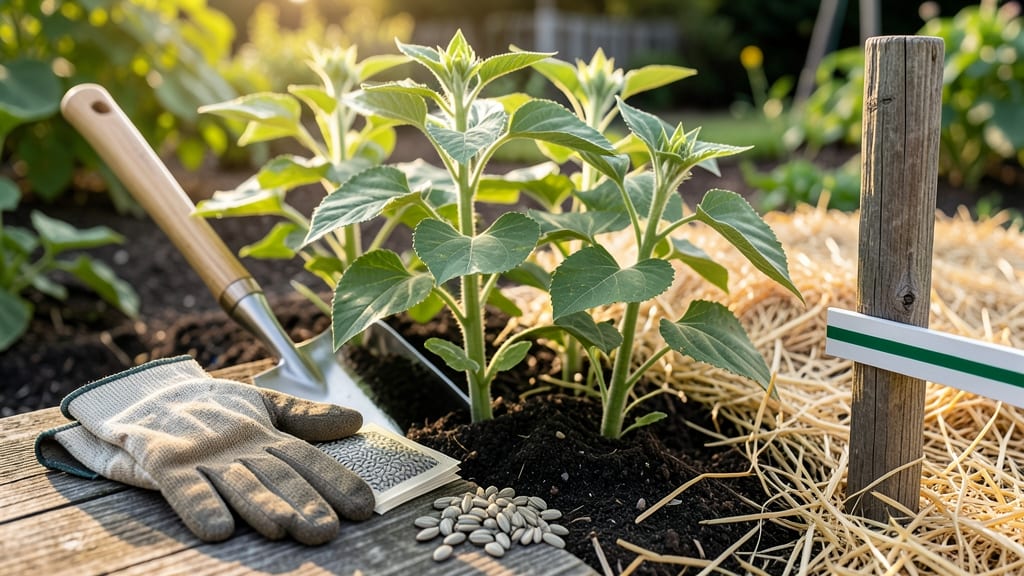
Planting sunflowers in Ohio after the last frost—typically mid-April to mid-June—sets the stage for towering blooms and a vibrant garden 🌻.
Ohio’s unpredictable spring weather can make sunflower planting a guessing game—but timing your seeds just right ensures peak bloom timing and a bountiful harvest.
In this guide, I’ll break down the exact weeks to plant by zone, from the frost-prone north to the milder southern regions, so you can avoid common mistakes and maximize your sunflowers’ potential.
You’ll also discover the best varieties for Ohio’s growing season, how to adjust for late frosts, and pro tips to extend your sunflowers’ lifespan—all tailored to our unique climate.
Ohio sunflower planting calendar by hardiness Zone (5-7)
Ohio’s USDA Zones 5-7 offer diverse planting windows for sunflowers, but getting the timing right means the difference between towering blooms and wasted seeds. In Zone 5a, where frosts linger until mid-April, you’ll need to wait patiently, while Zone 7 gardeners can start as early as late March.
The key? Soil temperature must reach at least 60°F—cold soil stunts germination.
Sunflowers thrive when planted after your last frost date, but Ohio’s microclimates complicate things.
Northern counties like Ashtabula (Zone 5a) may face late frosts in May, while southern regions like Chillicothe (Zone 6b) can plant confidently by early April. Transplanting is rarely needed—direct sowing works best—but if you start indoors, harden off seedlings for 10-14 days before moving them out.
Pro Tip: Use a soil thermometer to confirm readiness. If your soil hovers around 55°F, wait a week—sunflowers won’t germinate until it’s warm enough. Black plastic mulch can speed up soil warming by 5-10°F in cooler zones, giving you an earlier start.
For Zone 5a gardeners, I recommend starting with early-maturing varieties like ‘Teddy Bear’ (60-65 days) to avoid fall frosts. In Zone 7, you can stretch your season with a second planting in late June for late-summer blooms.
Just remember: sunflowers planted after July 1st may not reach full maturity before frost.
Ohio’s unpredictable weather means flexibility is key. If a late frost threatens, cover seedlings with frost cloth or a lightweight row cover. Remove it when temps rise above 50°F to prevent overheating. Succession planting every 2-3 weeks ensures continuous blooms from summer through fall.
One common mistake? Planting too deeply. Sunflower seeds need only 1 inch of soil coverage—burying them deeper delays germination. If your soil is rocky or compacted, mix in compost to improve drainage and warmth retention. Well-draining soil is critical, especially in Ohio’s clay-heavy regions.
For container gardening in urban areas, choose dwarf varieties like ‘Moulin Rouge’ and plant in 5-gallon pots with fast-draining mix. These thrive in Zone 5b+ and can be moved to sunnier spots as needed. Just ensure pots get full sun exposure—sunflowers won’t tolerate shade.
Finally, track your local frost dates using resources like the Old Farmer’s Almanac or your local Cooperative Extension office. Ohio’s frost dates shift yearly, so don’t rely on past years’ patterns. Adjust your planting schedule based on current data for the best results.
With the right timing, your Ohio sunflowers will reward you with vibrant blooms that attract pollinators and add height to your garden. Happy planting! 🌻
How to adjust sunflower planting for Ohio’s unpredictable weather
Ohio’s unpredictable spring frosts and sudden heatwaves can derail even the most carefully planned sunflower garden 🌱. The key to success lies in flexibility—knowing when to push planting dates and how to protect young plants from late-season cold snaps.
I’ve learned that row covers and strategic direct sowing can extend your growing season by weeks, giving sunflowers the time they need to reach their full potential.
One of my biggest mistakes early on was transplanting sunflower seedlings too early, only to watch them wilt during a surprise frost.
Sunflowers are sensitive to cold soil (they need at least 60°F soil temps to germinate), so I now wait until the average last frost date has passed—usually mid-May in most of Ohio. But even then, I keep a lightweight row cover handy for those just-in-case moments.
Solution: Wait until soil is consistently 60°F+ or use row covers for 2-3 weeks.
Solution: Sunflowers hate root disturbance—sow seeds 1 inch deep directly in the garden for best results.
Solution: Mulch heavily to retain moisture and water deeply at soil level (not leaves) during droughts.
Solution: Thin to 12-24 inches apart (depending on variety) once plants are 3-4 inches tall.
For late frosts, I’ve found that black plastic mulch raises soil temperatures by 5-10°F, creating a microclimate that helps seeds germinate faster. This is especially useful in Zone 5a areas where frosts can linger into May.
I also plant a second succession of dwarf varieties like 'Teddy Bear' in early June to ensure blooms all summer long, even if the first planting gets nipped by frost.
When it comes to heatwaves, sunflowers are surprisingly resilient once established—but young plants need protection. I’ve had great success using shade cloth (30%) during extreme heat (above 90°F) to prevent bolting (premature flowering).
Always water at the base of the plant in the morning to avoid fungal issues from evening moisture. A 3-inch layer of mulch also helps maintain even soil temperatures.
My final tip? Monitor your local microclimate. A spot near a brick wall or paved area will warm up faster than an open field, giving you a 2-week head start on planting.
Use these warm microclimates for early varieties like 'Autumn Beauty' while saving cooler areas for taller varieties that need more time to mature before frost 🌻.