
Flowers
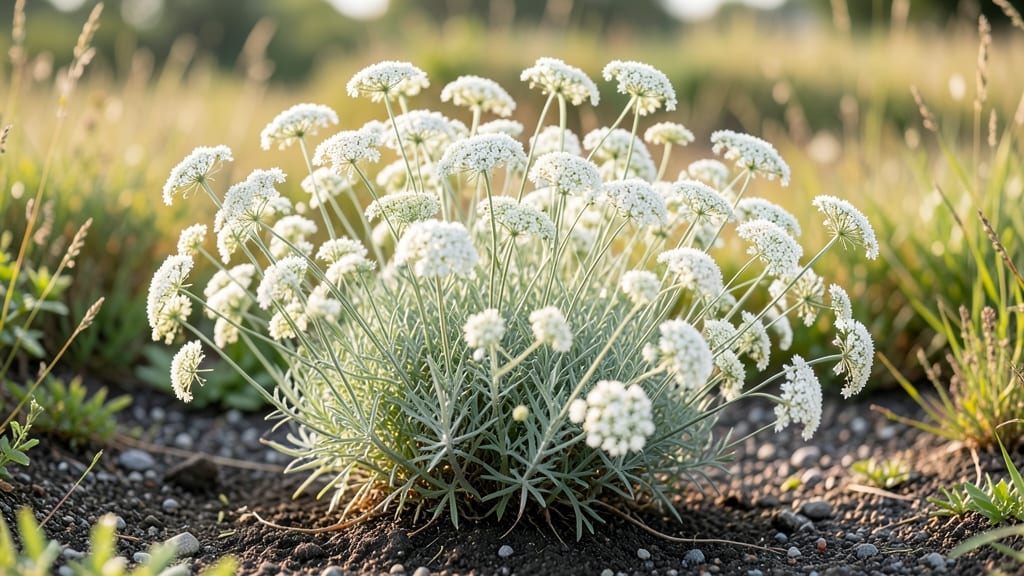
When do gypsophila flower? The answer is late spring through summer, with annual varieties often peaking in June and July while perennials may extend into early fall.
Picture this: your garden in full bloom, Baby’s Breath 🌸 cascading like soft clouds over your arrangements—but what if you’re left waiting for those delicate flowers to appear? Timing is everything, and knowing when to expect them can mean the difference between a dreamy display and a missed opportunity.
Most gardeners assume Baby’s Breath flowers just once, but the truth is far more flexible. Annual types typically burst into color in early summer, while hardy perennials can reward you with a second flush in late summer or even fall, depending on your climate zone.
In Zone 6a, for example, perennials often start blooming as early as May, giving you a longer show.
Below, I’ll break down the exact months to watch for blooms, how to coax extra flowers from your plants, and the common mistakes that might leave you staring at green stems instead of those signature fluffy clusters. Ready to turn your garden into a floral masterpiece?
Gypsophila flowering seasons: a month-by-month guide
Timing your Gypsophila blooms means understanding how annual vs. perennial varieties perform across climate zones. Most gardeners plant this delicate flower for its summer displays, but the exact schedule depends on your region and variety.
Let’s break down when to expect those cloud-like blossoms to appear, from early spring to late fall.
In USDA Zones 5-9, annual gypsophila typically blooms from late spring through summer, while perennial types may rebloom in early fall. Cooler zones like Zone 4 see blooms shifted 2-4 weeks later, while Zone 10 gardens enjoy year-round potential with proper care.
The key is matching your planting time to your last frost date.
Annual gypsophila (like Gypsophila paniculata) thrives as a one-season wonder, while perennials (such as Gypsophila repens) return yearly if protected from winter kill. Your local climate dictates whether you’ll see spring blooms, summer peaks, or fall extensions. Let’s dive into the month-by-month details to plan your garden’s dreamy displays.
For annual gypsophila, the main blooming window spans from late May to August in most regions. In Zone 5, expect flowers to appear 2-3 weeks later than in Zone 9, where spring planting can yield earlier blooms.
If you’re in a cooler climate, opt for perennial varieties like Gypsophila repens, which may produce secondary blooms in fall.
In Zone 10, gypsophila thrives year-round with minimal winter care, often blooming continuously from spring to fall. To extend your flowering season, plant annual varieties in stages—every 2-3 weeks—for a staggered display.
This technique works especially well for cut flower gardens where you want consistent harvests.
If you’re growing perennial gypsophila, focus on early spring planting to establish roots before summer heat. These varieties often rebloom in fall if given well-draining soil and full sun.
In Zone 6, expect late June to July blooms, while Zone 8 gardeners can enjoy extended summer and fall color.
For container gardening, annual gypsophila blooms 1-2 weeks earlier than in-ground plants due to warmer root zones. Choose compact varieties like Gypsophila elegans for balcony displays. In pots, water more frequently to prevent d
How to extend gypsophila blooms: seasonal care tips
If you've ever marveled at the ethereal clouds of Baby's Breath in summer weddings, you know their fleeting beauty. But with the right care, your gypsophila blooms can last weeks longer—even through multiple seasons.
The secret lies in understanding their light needs, watering schedule, and soil conditions. Unlike many flowers that fade quickly, gypsophila rewards patience with prolonged blooming when given consistent attention.
I've found that annual varieties like Gypsophila paniculata typically bloom from early summer through fall, while perennial types may start as early as late spring. The key to extending their display? A combination of proper deadheading, balanced fertilization, and protecting them from harsh elements.
Let’s break down the seasonal care tips that’ll keep your gypsophila looking fresh from first bud to final petal drop.
- 🌱 Spring: Plant in full sun (6+ hours) after last frost. Use well-draining soil mixed with compost.
- ☀️ Summer: Deadhead spent blooms weekly to encourage new flowers. Water deeply 2-3x/week.
- 🌿 Fall: Reduce watering as temps drop. Apply 2-3 inches of mulch to protect roots.
- ❄️ Winter: For perennials, cut back stems and cover with straw mulch in Zone 5 or colder.
First on your list should be light requirements. Gypsophila thrives in full sun, but in hot climates like Zone 9 or 10, afternoon shade can prevent wilting. I’ve noticed that plants in partial shade produce fewer blooms, so prioritize a south-facing spot if possible.
For container gardening, place pots near a south-facing window or use grow lights for 6+ hours daily.
Watering is another critical factor—overwatering causes root rot, while underwatering leads to droopy stems. Aim for deep watering 2-3 times per week during summer, letting the top inch of soil dry between sessions.
In containers, check moisture daily since pots dry out faster. A drip irrigation system keeps soil consistently moist without oversaturating.
Don’t overlook the power of deadheading. Snip off faded blooms with clean scissors just above a set of leaves to redirect energy into new growth. I’ve extended my gypsophila’s bloom season by 3-4 weeks simply by deadheading every 5-7 days.
For a neater appearance, trim back leggy stems by one-third after the first flush of flowers.
To prepare perennials for repeat blooms next season, focus on soil health and overwintering. In fall, add compost to the base and mulch heavily. For Zone 5 and colder, cut stems to 2 inches tall and cover with straw mulch.
This protects roots from freeze-thaw cycles and ensures robust regrowth in spring. With this care, your gypsophila will reward you with lush, continuous blooms for years.