
Flowers
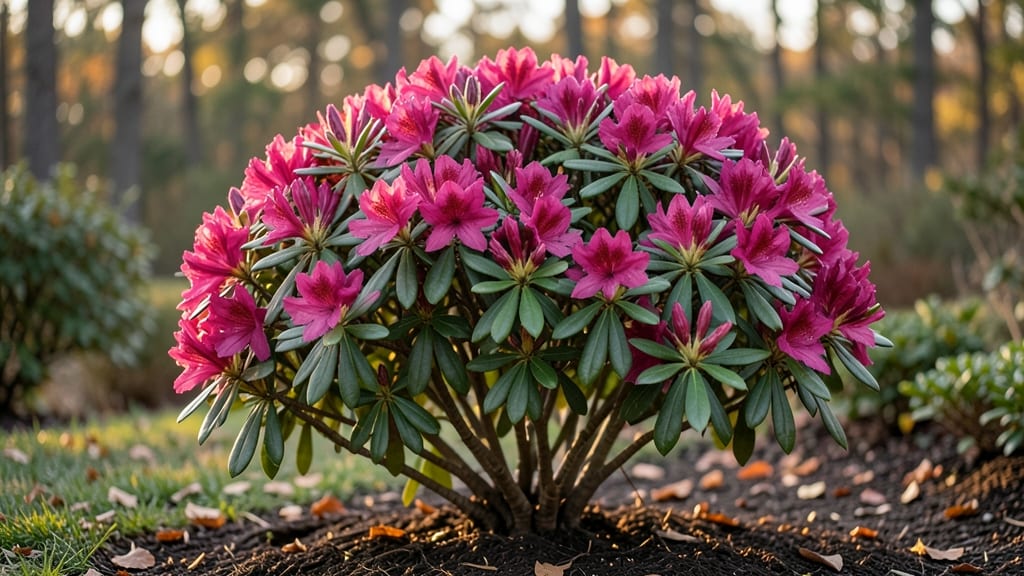
Azaleas flower in spring 🌸, but the exact timing depends on your climate zone—some burst into color as early as March, while others wait until June.
Timing your azalea blooms perfectly means catching their vibrant displays at their absolute peak—whether you’re planning a spring garden showcase or simply admiring nature’s fleeting beauty. But azalea flowering times vary wildly by climate zone, and getting it wrong could mean missing the show by weeks.
Most azaleas thrive in USDA Zone 6a and bloom between March and May, but coastal areas or high elevations can shift that window by 3-4 weeks. Late-season varieties, like the Encore series, even stretch blooms into summer, giving you extra color.
In this guide, I’ll break down the exact bloom windows for your zone, share tricks to predict your plant’s schedule, and reveal how to coax longer, healthier flowers—no matter where you garden.
Azalea flowering seasons by USDA climate zones: exact timing guide
Azaleas burst into color with seasonal precision, but their bloom windows shift dramatically across USDA zones 3-9. In warmer southern zones, you might see early spring blooms by February-March, while northern gardeners wait until May-June.
Understanding these patterns helps you select the right azalea varieties for your region and time your garden highlights perfectly.
Most azaleas flower in late spring, but some early bloomers push the season forward, and late-season varieties extend the show into summer. The key factors are chill hours (cold winter exposure) and last frost dates.
For example, Georgia’s zone 8 azaleas may bloom in March, while Minnesota’s zone 4 plants wait until June.
Here’s your zone-by-zone breakdown of azalea bloom timing, including regional exceptions to help you predict when your shrubs will put on their best show. This guide covers early, mid, and late-season bloomers so you can plan your garden’s color calendar with confidence.
| USDA Zone | Bloom Window | Early Varieties | Mid-Season Varieties | Late Varieties | Regional Notes |
|---|---|---|---|---|---|
| Zones 3-4 | Late May - Early June | 'Bounce' (early) | 'Girard’s Pink' (classic) | 'Hino Crimson' (late) | Wait for soil temps >50°F |
| Zones 5-6 | Mid-May - Late June | 'Southern Charm' (early) | 'Kaleidoscope' (multi-color) | 'Encore' series (fall rebloom) | Coastal areas bloom 2-3 weeks earlier |
| Zones 7-8 | March - April (early) / June (late) | 'George L. Taber' (February) | 'Formosa' (April peak) | 'Nancy Lynn' (June) | Southern states may rebloom in fall |
| Zones 9-10 | January - March (early) / Fall rebloom | 'Tiny Tots' (December) | 'Coral Bells' (February) | 'Encore Pink' (fall) | Year-round blooms in mild winters |
In zones 3-4, where winters are harsh, azaleas need 600-900 chill hours below 45°F to trigger blooms.
This explains why they wait until late May or June—their flowers develop during winter dormancy. Early varieties like 'Bounce' push the season forward slightly, but most gardeners in these zones should expect a June show.
Moving to zones 5-6, the bloom window expands from mid-May to late June. Here, coastal microclimates (like North Carolina’s Outer Banks) can advance blooms by 2-3 weeks due to milder winters.
For example, 'Southern Charm' might bloom in early May near the coast but wait until late May inland.
Zones 7-8 offer the most dramatic variation, with early bloomers like 'George L. Taber' lighting up gardens as early as February in Georgia or South Carolina. Meanwhile, late-season varieties like 'Nancy Lynn' extend the display into June. In Florida and coastal Texas, some azaleas even rebloom in fall if given proper care.
Gardeners in zones 9-10 enjoy the longest bloom season, with winter flowers
How to predict your azalea’s bloom time using hardiness zone + microclimate factors
Your azalea’s bloom time isn’t just about the USDA hardiness zone you live in—it’s also shaped by your local microclimate. Even two yards apart, azaleas can flower weeks apart due to subtle differences in elevation, coastal winds, or urban heat.
Understanding these factors lets you fine-tune your expectations and plan for the perfect bloom display.
Start by checking your last frost date—azaleas need consistent warmth to trigger buds. In Zone 7, for example, blooms typically arrive in April-May, but a high-elevation garden in the same zone might delay flowers until mid-May.
Meanwhile, coastal areas often see earlier blooms due to milder winters and moderate temperatures.
- 1
- 2
- 3
- 4
- 5
Don’t overlook the plant’s maturity—young azaleas (under 3 years old) may bloom later as they establish roots. For example, a 2-year-old plant in Zone 7 might flower in June instead of April. To encourage earlier blooms, ensure your azalea gets partial shade and acidic soil (pH 4.5-6.0).
Pro tip: Track your azalea’s bud formation in late winter. If buds appear pink or swollen by February, expect blooms within 4-6 weeks. If buds stay green and dormant, wait for warmer soil temps (above 50°F) to trigger flowering.
By combining your hardiness zone with these microclimate adjustments, you’ll predict your azalea’s bloom time with near-perfect accuracy—so you’re always ready to admire the show at its peak! 🌸