
Light Requirements
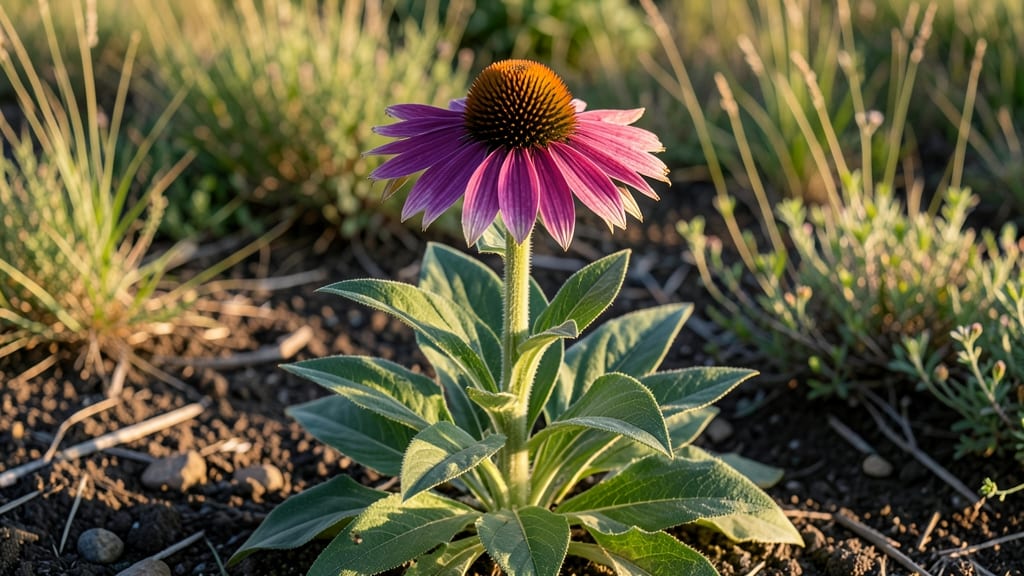
Growing vibrant coneflowers 🌼 depends on their light requirements, which are far simpler than you might think—just 6+ hours of direct sun for peak blooms and health.
Struggling to get your coneflowers (Echinacea) to bloom as vibrantly as they should? The secret might be hiding in plain sight—light exposure plays a surprisingly critical role in their growth and flowering success.
Too little sun and you’ll end up with leggy stems and sparse blooms. Too much, especially in hot climates, can stress the plant and dull those signature purple petals. Finding the right balance is key to long-lasting, show-stopping flowers.
Below, I’ll break down exactly how much light coneflowers need, how to adjust for your garden’s microclimate, and which varieties handle shade better than others—so you can enjoy those cheerful blooms from July through September.


Ideal sunlight conditions for maximum coneflower blooms
If you're growing coneflowers (Echinacea), sunlight isn't just important—it's the secret weapon for vibrant blooms and robust growth. These hardy perennials thrive in full sun conditions, but understanding the nuances can mean the difference between lush, colorful flowers and sparse, lackluster blooms.
Let's break down exactly how much light your coneflowers need to shine their brightest.
Most Echinacea varieties—like the classic purple coneflower (Echinacea purpurea)—crave 6 to 8 hours of direct sunlight daily. This isn't just about quantity, though; it's also about light intensity.
In regions with hot, intense sunlight, like the Southwest U.S., coneflowers may benefit from afternoon shade to prevent stress. Meanwhile, in cooler climates, they can handle full sun exposure without issue.
Here’s the key: sunlight quality matters. Bright, diffused light—like what you get on a cloudy day—isn’t enough to trigger the flowering process. Coneflowers need direct rays to produce the energy-rich blooms they’re famous for.
Without it, you’ll notice fewer flowers and weaker stems. Let’s compare how different light conditions affect your plants.
| Light Condition | Daily Sunlight | Flower Production | Color Vibrancy | Plant Health |
|---|---|---|---|---|
| Full Sun (6-8+ hours) | 6-8+ hours direct | Abundant, large blooms | Deep, vibrant colors | Strong stems, drought-resistant |
| Partial Sun (3-6 hours) | 3-6 hours direct | Moderate blooms, smaller | Muted, less intense | Weaker stems, leggy growth |
| Partial Shade (2-3 hours) | 2-3 hours direct | Sparse blooms, few flowers | Pale, washed-out colors | Floppy stems, prone to disease |
The full sun row in the table above is where coneflowers truly thrive. When planted in 6+ hours of direct sunlight, they produce larger, more abundant blooms with richer colors.
For example, Echinacea purpurea in full sun will burst with vibrant pink or purple petals, while the same plant in partial shade might produce dull, pale blooms. The difference is striking!
But what if you live in a hot desert climate? Coneflowers can still handle full sun, but they’ll appreciate afternoon shade during the peak summer months. This prevents heat stress and keeps the soil from drying out too quickly.
Think of it like giving your plants a cooling break when the sun is at its harshest. In USDA Zones 7-9, this adjustment can make all the difference.
Seasonal changes also play a role. In spring and fall, when temperatures are milder, coneflowers can handle full sun exposure without issue. However, during summer’s peak heat, even a few hours of filtered light can help.
If you notice wilting or yellowing leaves, it might be time to provide some temporary shade with a lightweight cloth or nearby trees.
For container-grown coneflowers, sunlight needs are even more critical. Pots can overheat quickly, so place them in a spot where they get morning sun and afternoon shade. A south-facing patio with partial shade from an umbrella can work well.
Remember, root-bound plants are more susceptible to light stress, so choose containers with good drainage and use lightweight potting mix.
One common mistake is assuming that any shade will do. While coneflowers can tolerate light shade, deep shade will stunt their growth and reduce blooms. If you’re planting near tall trees or buildings, choose a spot where they get at least 3-4 hours of direct light.
Even reflected sunlight—like from a nearby white fence or wall—can help boost their energy.
To maximize your coneflowers’ potential, start by observing their current light conditions. Are the blooms smaller than expected? Are the stems weak or leggy? These are signs they need more sunlight exposure.
On the flip side, if leaves are scorched or crispy, they might be getting too much intense light. Adjust gradually—moving plants too quickly can
How to adjust light exposure for different coneflower varieties
Not all coneflowers thrive equally under the same light conditions. While most varieties love full sun (6+ hours daily), some tolerate partial shade (3-6 hours) better, especially in hot climates. Understanding these differences helps you choose the right variety for your garden’s light conditions and adjust care accordingly.
For example, Echinacea purpurea (the classic purple coneflower) is the most sun-loving variety, producing the most vibrant blooms when given full sun exposure. Meanwhile, Echinacea pallida (pale purple coneflower) handles partial shade better and can even tolerate dappled sunlight under trees, making it ideal for woodland gardens.
Varietal Light Requirements
- Echinacea purpurea - Full sun (6+ hours) for maximum blooms; tolerates 3-4 hours partial shade but may produce fewer flowers.
- Echinacea pallida - Partial shade (3-6 hours) preferred; thrives in woodland gardens with filtered light.
- Echinacea paradoxa - Full sun to partial shade (3-6 hours); more drought-tolerant than other varieties.
- Echinacea atrorubens - Full sun (6+ hours) for darkest blooms; may fade in deep shade.
- Dwarf varieties (e.g., 'White Swan') - Full sun (5-6 hours) for compact growth; avoid full shade.
If your garden lacks full sun, you can still grow coneflowers by selecting shade-tolerant varieties or adjusting their placement. For instance, placing containers on a patio with afternoon shade can mimic partial shade conditions. In raised beds, use reflective mulch to increase light penetration for shade-loving varieties.
For containers and small spaces, choose dwarf coneflower varieties like 'White Swan' or 'Green Envy'—they tolerate partial shade (3-4 hours) better than standard types. Rotate containers seasonally to ensure even light exposure, especially if your garden has seasonal shade shifts.
In hot climates (Zones 8-10), provide afternoon shade to prevent leaf scorch, especially for Echinacea purpurea. Use lightweight shade cloth (30-50%) during peak summer hours (12 PM - 4 PM) to maintain blooms without stressing the plant.
Remember, even shade-tolerant varieties will produce more vibrant blooms with at least 3-4 hours of direct sun. If your garden has limited light, prioritize Echinacea pallida or paradoxa—they’re your best bet for partial shade success.